Stronger Engagement for Indian Health Needs Act of 2022 This bill elevates the current position of the Director of the Indian Health Service within the Department of Health and Human Services (HHS) to Assistant Secretary for Indian Health within HHS.
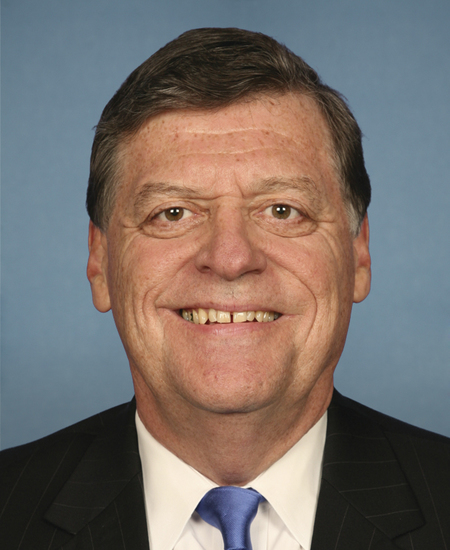
Rep. Tom Cole
Sponsored bills
This bill requires the Congressional Budget Office, upon receiving a request from Congress, to determine if legislation would reduce spending outside of the 10-year budget window through the use of preventive health and preventive health services.
Medical Student Education Authorization Act of 2022 This bill establishes matching grants awarded by the Health Resources and Services Administration (HRSA) to expand and support medical education with a particular focus on training students to serve as primary care physicians in tribal, rural, or medically underserved communities. HRSA must award the grants to public institutions of higher education located in states that rank in the top quartile of states based on projected unmet demand for primary care providers. In awarding the grants, HRSA must give priority to recipients that (1) are located in states with two or more federally recognized Indian tribes, and (2) demonstrate a public-private partnership. Recipients must use grant funds for specified activities that include developing curricula, expanding partnerships with health care providers and community-based organizations, and providing scholarships.
Tribal Medical Supplies Stockpile Access Act of 2022 This bill requires the Department of Health and Human Services (HHS) to deploy drugs, vaccines, biological products, medical devices, and other supplies from the Strategic National Stockpile directly to health programs or facilities operated by the Indian Health Service (IHS), tribes, or tribal organizations. Such supplies from the stockpile are used to respond to public health emergencies. Specifically, if HHS distributes pandemic or epidemic products (e.g., drugs or medical devices) to states or other entities, HHS must also deploy such products directly to health programs or facilities operated by IHS or other tribal entities. HHS must coordinate with states, programs, and facilities to ensure supplies and products are distributed to such tribal entities.
Cures 2.0 Act This bill addresses pandemic preparedness and public health issues, caregiver and patient engagement, drug development, insurance coverage, and biomedical research. The Department of Health and Human Services (HHS) must undertake research and other activities concerning COVID-19 and develop a strategy for future pandemics and declared emergencies. Additionally, the bill specifies actions to combat antimicrobial resistance. HHS may award grants for caregiver training. The bill also addresses diversity in clinical trials, collecting patient experience data during clinical trials, and coverage for care related to participation in specified clinical trials. The bill modifies the timeframe and requires additional guidance relating to expedited approval of certain breakthrough drugs, devices, or products. It also establishes two intercenter institutes within the Food and Drug Administration (FDA) focused on particular diseases that meet specified criteria. The bill also addresses (1) coverage in Medicare, Medicaid, and the Children's Health Insurance Program for telehealth, genetic and genomic testing, and other services; (2) electronic prescribing standards for Medicare drug benefits; and (3) access to Medicare and Medicaid claims data by certain registries. Furthermore, the bill prohibits the use of geographic tracking or biometrics in Medicaid electronic visit verification systems. The bill establishes the Advanced Research Projects Agency for Health (ARPA-H) within the National Institutes of Health to accelerate biomedical research and innovation through grants, contracts, cash prizes, and other means. The FDA may work with ARPA-H to expedite the development of medical products through specified activities.

Accelerating Access to Critical Therapies for ALS Act This bill establishes grant programs to address neurodegenerative diseases, such as amyotrophic lateral sclerosis (also known as ALS or Lou Gehrig's disease), and contains other related provisions. The Department of Health and Human Services (HHS) shall award grants to eligible entities for scientific research utilizing data from expanded access to investigational ALS treatments for individuals who are not otherwise eligible for clinical trials. The Food and Drug Administration (FDA) shall award grants to public and private entities to cover the costs of research and development of drugs that diagnose or treat ALS and other rare neurodegenerative diseases. HHS shall also establish the Public-Private Partnership for Neurodegenerative Diseases between the National Institutes of Health, the FDA, and at least one eligible entity (generally, an institution of higher education or a nonprofit organization). The partnership shall support the development and regulatory review of drugs that address ALS and other rare neurodegenerative diseases. The FDA shall publish on its website a five-year action plan for fostering the development of drugs that improve or extend the lives of people living with rare neurodegenerative diseases. The Government Accountability Office must report to Congress about the grants provided under this bill, including an analysis of the impact of such grants on research and development of treatments for ALS.
Native American Rural Homeownership Improvement Act of 2021 This bill provides statutory authority for a Department of Agriculture pilot program that provides direct loans to Native community development financial institutions to increase homeownership opportunities for tribal communities in rural areas.
Strategically Lowering Gas Prices Act This bill prohibits, subject to certain exceptions, the Department of Energy from drawing down or selling stocks from the Strategic Petroleum Reserve at the direction of a President if that President has withdrawn federal land subject to any of the mineral leasing laws from oil and gas leasing.
This bill posthumously provides for the award of a Congressional Gold Medal in commemoration of the 13 service members who died on August 26, 2021, while stationed at Hamid Karzai International Airport in Afghanistan.
Strategic Production Response Act This bill limits the drawdown of petroleum in the Strategic Petroleum Reserve until the Department of Energy develops a plan to increase the percentage of federal lands leased for oil and gas production.