

Maddy summaryThis resolution (HRES 1271) is a symbolic gesture expressing the House's support for designating June 7, 2024, as "National Gun Violence Awareness Day" and June 2024 as "National Gun Violence Awareness Month." It does not create new laws or policies but urges the public to wear orange, raise awareness about gun violence, and focus on community safety during summer months when such incidents often increase. The resolution references statistics on gun-related deaths and honors victims like Hadiya Pendleton, who was killed in 2013. It directly affects the public by calling on individuals and communities to participate in awareness activities. This is a non-binding, commemorative measure with no direct legal impact on legislation or regulations.
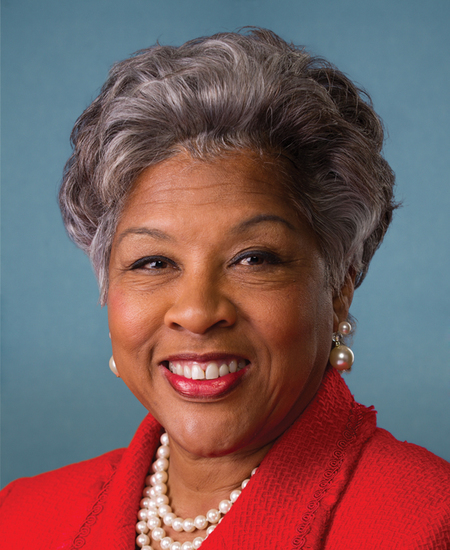
Rep. Joyce Beatty
Sponsored bills
Maddy summaryHRES 1260 is a non-binding resolution expressing the U.S. House of Representatives' support for designating May 2024 as "Progressive Supranuclear Palsy Awareness Month." It recognizes progressive supranuclear palsy (PSP) as a rare neurodegenerative disease affecting approximately 30,000 Americans, with no known cure and symptoms including cognitive decline, balance issues, and speech difficulties. The resolution specifically supports raising public awareness, encourages research for better treatments and a cure, and commends efforts by patients, families, and organizations working to improve PSP care. As a symbolic gesture, it does not create new laws or allocate funding but aims to increase visibility for this under-recognized condition.
Maddy summaryThe George Floyd Justice in Policing Act of 2024 establishes a National Police Misconduct Registry to track complaints and disciplinary actions against officers, requiring all federal, state, and local law enforcement agencies to report use-of-force incidents with racial, gender, and age data. It bans chokeholds and carotid holds in police encounters, prohibits no-knock warrants in drug cases, and reforms qualified immunity to make it harder for officers to avoid accountability for misconduct. The bill mandates body cameras for federal officers, requires independent investigations of officer-involved shootings, and creates new data collection systems to monitor racial profiling and use-of-force patterns. It also includes provisions for civilian oversight boards, improved officer training on de-escalation and implicit bias, and restrictions on military equipment transfers to local police departments. This law affects all law enforcement agencies receiving federal funding under programs like Byrne and COPS grants.
Maddy summaryHRES 1248 is a symbolic resolution recognizing the harmful impact of menstruation stigma on women, girls, and people who menstruate. It supports designating May as "National Menstrual Health Awareness Month" to promote normalization of menstruation, improve access to education and resources, and address menstrual health disparities. The resolution does not create new laws or funding but aims to raise public awareness and encourage efforts to advance menstrual health equity.
Maddy summaryThis resolution (HRES 1232) expresses the U.S. House of Representatives' support for "National Hypertension Awareness Month" in May. It acknowledges that high blood pressure affects nearly half of U.S. adults, causes severe health complications, and disproportionately impacts communities of color and those with limited healthcare access. The resolution encourages health care providers, public health agencies, and community organizations to promote awareness, education, and access to care for hypertension management. As a non-binding symbolic gesture, it does not create new laws or funding but aims to highlight the importance of addressing this public health issue.
Maddy summaryHR 8521, the Joan Trumpauer Mulholland Congressional Gold Medal Act, authorizes the presentation of a gold medal to Joan Trumpauer Mulholland in recognition of her civil rights activism during the 1960s. The bill directly honors her as a key figure who participated in sit-ins, Freedom Rides, and the Jackson Movement, risking arrest and personal danger to challenge segregation. The key mechanism requires the Treasury Secretary to strike a gold medal and sell bronze duplicates to cover costs, with proceeds going to the U.S. Mint. This is a ceremonial honor with no policy changes or direct effects on legislation or constituents.
Maddy summaryHR 8469, the Diverse Cybersecurity Workforce Act of 2024, requires the Cybersecurity and Infrastructure Security Agency (CISA) to establish a new program within its existing education initiative. The program targets underrepresented groups in cybersecurity, including racial and ethnic minorities, women, veterans, people with disabilities, older individuals (40+), those from low-income backgrounds, and people with nontraditional educational paths (like community colleges or HBCUs). CISA must tailor outreach to schools, unions, community colleges, and local workforce offices to promote cybersecurity careers in these communities. The bill authorizes $20 million annually (2025-2030) and mandates annual reports to Congress on the program's impact on workforce diversity.
Maddy summaryHR 8478, the Empowering States to Protect Seniors from Bad Actors Act, creates a federal grant program to help state agencies combat financial fraud targeting seniors. The bill authorizes $10 million annually (2025-2030) for competitive grants to state securities commissions and insurance departments, capped at $500,000 per agency per year (or $1 million for combined agencies). Grant funds can be used to hire staff, provide training, develop educational materials, and improve state laws to prevent and investigate fraud against seniors aged 62+ - including cases involving caregivers or fiduciaries. States must submit detailed plans to identify victims, support investigations, and report annually on fund usage and program effectiveness.
Maddy summaryHRES 1216 is a symbolic resolution expressing the U.S. House of Representatives' support for National Stroke Awareness Month in May. It highlights key stroke statistics (e.g., stroke being the fifth leading cause of death, 795,000 annual strokes, $103 billion in annual costs) and encourages the public to support organizations working on stroke awareness. The resolution urges continued collaboration between government, researchers, families, and the public to improve stroke outcomes through timely treatment. It does not create new laws or allocate funding, but formally endorses awareness efforts and the F.A.S.T. symptom recognition method. (HRES 1216, introduced May 10, 2024)
Maddy summaryThe Return to Work Awareness Act directs the Department of Labor to share resources through the Job Accommodation Network. It aims to help people recovering from strokes, heart attacks, traumatic brain injuries, and other serious health conditions return to work, while also supporting employers and service providers. The bill focuses on promoting awareness about workplace accommodations, improving job opportunities for survivors, and expanding self-employment options. It does not create new benefits or funding but provides information to facilitate reintegration into the workforce. This affects survivors of debilitating health events, their families, employers, and service providers.