

Maddy summaryHR 1839, the Combating Illicit Xylazine Act, makes the illicit use and distribution of xylazine a federal crime by adding it to the Controlled Substances Act. The bill broadly defines xylazine to cover numerous chemical variants and prohibits human use or non-licit distribution, while preserving legitimate veterinary and pharmaceutical uses. It requires tracking xylazine in drug supply chains and mandates two reports to Congress within 1 and 4 years on its prevalence, sources, and whether it should be rescheduled. The bill directly affects individuals distributing or using xylazine illicitly, including as an additive to drugs like fentanyl, and aims to address its public health risks. Congress declared illicit xylazine an "emerging drug threat" under existing law.
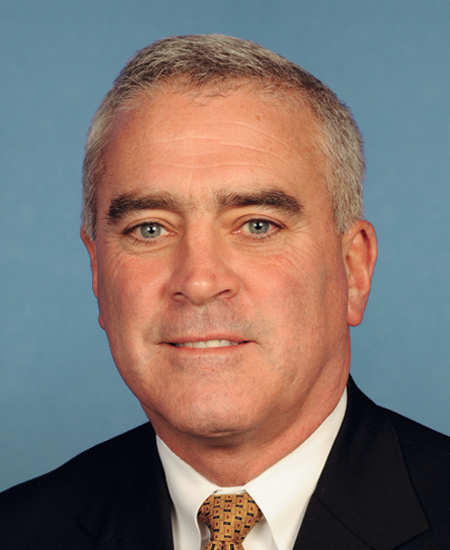
Rep. Brad R. Wenstrup
Sponsored bills
Maddy summaryHR 2539 permanently extends the New Markets Tax Credit (NMTC) program, which incentivizes private investment in low-income communities. The bill directly affects community development financial institutions (CDFIs) and investors who fund projects in designated low-income areas by ensuring the credit remains available beyond 2025. Key provisions include automatically adjusting the credit amount annually for inflation starting in 2024 and clarifying that the credit can be used to offset alternative minimum tax liability. This maintains the program’s effectiveness in channeling capital to underserved neighborhoods without changing eligibility or funding levels.
Protecting Life in Foreign Assistance Act This bill prohibits using federal funds for certain abortion-related purposes outside the United States. The bill prohibits federal funding for certain foreign and domestic organizations that are engaged in activities such as performing abortions, furnishing items intended to procure abortions, or providing financial support to other organizations that conduct such activities. The prohibition does not apply to abortions resulting from rape or incest, or when the life of the mother would be endangered if the fetus were carried to term.
Maddy summaryThis bill, HR 2451 (Freedom of Association in Higher Education Act of 2023), prevents colleges receiving federal funds from punishing students or single-sex social organizations (like fraternities/sororities) solely because of their single-sex membership policies. It prohibits actions such as denying housing, scholarships, or leadership roles, or forcing students to waive these protections as a condition of enrollment. The law does not require colleges to recognize such groups, nor does it block disciplinary action for misconduct unrelated to membership (e.g., academic issues). It directly affects students in single-sex organizations and institutions participating in federal student aid programs under Title IV.
Maddy summaryHR 1376, the COVID-19 Origin Act of 2023, requires the Director of National Intelligence to declassify and publicly release specific information related to the origin of the pandemic within 90 days of enactment. It directs the declassification of details about the Wuhan Institute of Virology’s activities (including military ties and pre-pandemic coronavirus research) and health records of researchers who fell ill in autumn 2019, including names, symptoms, and roles. The bill mandates an unclassified report to Congress containing this information, with only minimal redactions for source protection. This legislation directly affects the Director of National Intelligence and aims to make origin-related information available to the public and Congress for pandemic prevention planning.
Maddy summaryThis bill restores benefits for surviving spouses of military members who died in service and later remarried. It amends two key laws: it prevents termination of Survivor Benefit Plan annuities solely due to remarriage (with a specific provision to restart payments for those who remarried before age 55), and it ensures remarriage doesn't block Dependency and Indemnity Compensation (DIC) payments, requiring the government to restart DIC for eligible spouses who remarried before age 57. The bill directly affects surviving spouses who lost benefits due to remarriage under prior rules. It makes concrete policy changes by removing remarriage as a barrier to ongoing financial support for these families.
This resolution condemns Russia's abduction of Ukrainian children and the relocation of those children to reeducation camps. The resolution also rebukes nations that provide support to Russia's kidnapping enterprise, condemns forced adoptions of Ukrainian children by Russian citizens, and implores Russia to work with international organizations to return Ukrainian children to their home country.
Maddy summaryHR 1831 would award Billie Jean King a Congressional Gold Medal to honor her lifelong advocacy for equal rights in sports and society. The bill directs the Secretary of the Treasury to strike the medal and have it presented by congressional leaders, recognizing her pivotal role in advancing women's equality through tennis (including founding the Women’s Tennis Association and securing equal prize money) and her broader impact on society through initiatives like Title IX advocacy.
Maddy summaryHR 5, the Parents Bill of Rights Act, would require public schools receiving federal funding to provide parents with greater access to educational information. The bill mandates that schools post curricula online or widely distribute it to parents, include school budgets in report cards, and provide specific information about school activities including violent incidents and plans to eliminate gifted programs. It also guarantees parents the right to meet with teachers twice a year, review library materials, and address school boards. These requirements would apply to all local educational agencies and schools covered by the Elementary and Secondary Education Act. The bill amends existing education laws to strengthen parental transparency and involvement in their children's education.
Historic Tax Credit Growth and Opportunity Act of 2023 This bill increases the rehabilitation tax credit and modifies certain requirements for the credit. The bill increases the rate of the credit for qualified rehabilitation expenditures in taxable years beginning after December 31, 2020, and before January 1, 2028, after which the rate reverts to 20%. The bill increases the rate of the credit to 30% for certain small projects whose qualified rehabilitation expenditures do not exceed $2.5 million. The bill also expands the types of buildings eligible for rehabilitation by decreasing the rehabilitation threshold from 100% to 50% of project expenses. It also eliminates the basis adjustment requirement for the credit and modifies rules relating to tax-exempt use property eligible for the credit.