

Maddy summaryHR 5561, the Protecting the Right to Keep and Bear Arms Act of 2023, prevents federal agencies from using emergency declarations to implement gun control measures. It specifically prohibits the President from declaring a national emergency under the National Emergencies Act or the Robert T. Stafford Act for gun control purposes, and stops the Health and Human Services Secretary from declaring a public health emergency under the Public Health Service Act for the same reason. The bill also amends the Stafford Act to explicitly prohibit any emergency-related restrictions on possessing, manufacturing, selling, or transferring firearms, ammunition, ammunition feeding devices, or firearm accessories. This directly affects how federal agencies can respond during emergencies without violating the Second Amendment. The law aims to limit executive actions during emergencies that could restrict gun rights.
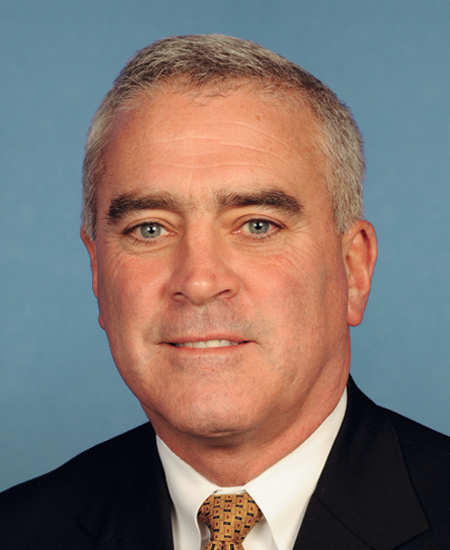
Rep. Brad R. Wenstrup
Sponsored bills
Maddy summaryHR 1435, the Preserving Choice in Vehicle Purchases Act, amends the Clean Air Act to restrict states from implementing vehicle emissions rules that limit the sale or use of new gasoline-powered cars. It directly affects states with stricter emissions standards (like California) by adding a new definition that blocks state rules "directly or indirectly" limiting internal combustion engine vehicles as defined in federal regulations as of January 1, 2023. The bill requires the EPA to revoke existing state emissions waivers granted between January 2022 and the bill’s enactment if they don’t comply with this new definition. This creates a concrete federal standard preventing states from advancing policies that could reduce demand for conventional vehicles.
Maddy summaryThis bill prohibits U.S. foreign aid to countries determined by the President to use foreign commercial spyware against U.S. persons. It requires the President to assess if a country has acquired such spyware, used it against journalists or activists, or failed to address misuse before blocking aid. The prohibition excludes military assistance and allows a presidential waiver for national security reasons. The President must annually report to Congress on spyware use by countries receiving aid, using intelligence community data.
Maddy summaryHR 3152, the "Fight CRIME Act," aims to maintain international restrictions on Iran's missile-related activities by requiring diplomatic efforts to extend these restrictions before they expire in October 2023. The bill mandates annual reports detailing U.S. diplomatic strategies, potential impacts of expiration, and measures to deter missile technology transfers to Iran. It establishes sanctions against foreign individuals or entities that knowingly support Iran's missile or drone programs, including asset freezes and visa restrictions. These sanctions apply regardless of whether UN restrictions remain in effect after their expiration, directly affecting foreign entities involved in these activities.
Maddy summaryThis bill expands the Gus Schumacher Nutrition Incentive Program (GusNIP) to increase access to healthy food for low-income SNAP participants. It raises the incentive funding percentage from 50% to 80% for eligible purchases, creates new cooperative agreements to scale state programs (requiring 90% of funds to be used for redeemed incentives at retailers), and expands a produce prescription program where healthcare providers can refer patients to buy fresh produce. The bill allocates increased annual funding through 2029, including $57.5 million annually for 2024-2028, and requires a study on transitioning produce prescription costs to health insurance within 10 years. It directly affects SNAP recipients, participating retailers (including farmers markets), and community health centers.
This bill increases from 20% to 25% the value of the total assets represented by securities of one or more taxable Real Estate Investment Trust (REIT) subsidiaries (thus restoring the REIT subsidiary asset test).
Maddy summaryThis bill requires the Bureau of Prisons to develop and implement a strategy for scanning all incoming mail at federal prisons to stop fentanyl and other synthetic drugs from entering facilities. It directs the Bureau to evaluate existing scanning technology within 180 days and submit a detailed plan to Congress within 90 days, including how to provide digital copies of mail to inmates within 24 hours and physical copies within 30 days (if safe). The strategy must achieve 100% mail scanning capacity at all federal prisons, prioritize high-security facilities, and include a budget proposal for fiscal years 2024-2026. This directly affects federal prisons, inmates, and Bureau employees by changing mail processing procedures to enhance safety and reduce staffing burdens from manual mail checks.
Maddy summaryThis bill approves and implements a new trade agreement between the United States and Taiwan, negotiated by the American Institute in Taiwan and Taiwan's Taipei Economic and Cultural Representative Office. The agreement aims to strengthen economic ties by addressing areas like supply chain security, investment screening, health, science, technology, and the digital economy. The bill establishes requirements for the President to consult with Congress before implementation, submit reports on how the agreement benefits US workers and businesses, and provide transparency about future trade negotiations. It also clarifies that the agreement doesn't override US or state laws and requires any future agreements to follow a similar approval process with congressional review.
This resolution honors and recognizes the patriotism and contributions made by generations of veterans service organizations, veteran advocacy groups, and volunteers and commends the members of such organizations for their dedicated service to members of the Armed Forces, veterans, their families, and their communities. The resolution also encourages the people of the United States to promote awareness of the contributions and dedication of members of veterans service, organizations, veteran advocacy groups, and volunteers to members of the Armed Forces, veterans, and their families. Additionally, the resolution calls on citizens to follow the example of such groups and volunteer support and services to those who have served the country.
Maddy summaryHR 5073, titled the "Promoting Domestic Energy Production Act," is a tax code amendment affecting oil and gas companies. It changes how businesses calculate adjusted financial statement income by removing specific deductions related to intangible drilling and development costs from their financial reports. The bill requires companies to disregard depreciation and depletion expenses taken into account on their financial statements for these costs when computing taxable income. This applies to tax years beginning after December 31, 2022, directly impacting oil and gas producers who use these accounting methods. The bill does not create new energy policies but alters tax accounting rules for the industry.