

Maddy summaryThis bill changes tax rules to support intelligence community employees who relocate or travel for mission-critical assignments. It expands tax deductions for moving expenses (including excluding certain reimbursements from taxable income) and adds travel expenses for temporary duty on authorized intelligence activities to eligible deductions. These changes apply specifically to intelligence community employees (excluding military personnel) who move due to assignment changes or travel for intelligence work, certified by the Director of National Intelligence. The provisions affect tax filings for 2020 and later years, aiming to reduce unintended tax burdens during relocations. The bill does not create new programs but adjusts existing tax code provisions for this specific workforce.
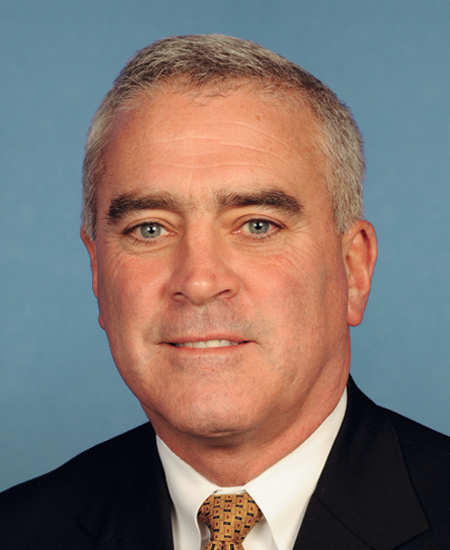
Rep. Brad R. Wenstrup
Sponsored bills
Maddy summaryThis bill establishes tax relief for qualified residents of Taiwan earning income in the United States by reducing tax rates on interest, dividends, and royalties to 10% or 15% (instead of the standard 30%). It also exempts certain wages and income from entertainment activities under $30,000 from U.S. taxation. To qualify, individuals must meet specific residency requirements, and entities must demonstrate substantial business activity in Taiwan. The bill modifies withholding tax procedures to implement these new rates and requires reciprocal tax benefits from Taiwan to be in place.
Maddy summaryHR 4468, the Choice in Automobile Retail Sales Act of 2023, blocks the Environmental Protection Agency (EPA) from finalizing or enforcing a specific proposed rule setting emissions standards for 2027+ light-duty vehicles. It amends the Clean Air Act to prevent future EPA regulations from mandating specific vehicle technologies or limiting the availability of new vehicles based on engine type (e.g., gasoline vs. electric). The bill directly affects EPA rulemaking authority and automakers' compliance with emissions standards, ensuring new vehicle options remain diverse without technology mandates. This is a procedural change to federal emissions regulations, not a direct consumer or industry mandate.
Maddy summaryThis bill allows ordained ministers, members of religious orders, and Christian Science practitioners who currently have Social Security exemptions to revoke that exemption. They can file an application by the due date of their second tax year after December 31, 2025 (2027), choosing to pay Social Security taxes starting in 2026 or 2027. Once revoked, the exemption cannot be reinstated, and late filings require back payment of taxes for the affected year. The IRS must also create a plan within 90 days to inform clergy about this option.
Maddy summaryThis bill establishes a two-year pilot program within the Department of Veterans Affairs (VA) to improve data collection and analysis of suicides and suicide attempts by veterans occurring on VA property (e.g., at medical centers or facilities). It creates a cross-departmental working group - including staff from mental health, health care, benefits, and cemetery offices - to conduct root cause analyses, interview families, and standardize data collection through updated reports and a unified management system. The program requires annual briefings to Congress on findings and mandates annual VA reports starting in 2025 to track trends and recommend prevention strategies. Additionally, it directs the Comptroller General to assess the VA’s suicide prevention efforts, including staffing, policies, and organizational structure.
Maddy summaryHR 6425 directs the U.S. Secretary of Defense, with the Director of National Intelligence, to create the "Five AIs Strategic Artificial Intelligence Working Group" within 90 days. This group will coordinate AI efforts among the Five Eyes countries (U.S., UK, Canada, Australia, New Zealand) focused on defense and intelligence applications. Key tasks include comparing AI systems and practices, developing shared strategies for interoperability, testing AI model redundancy, and managing data for joint AI use. The working group must submit a plan within 60 days and biannual reports to Congress, terminating on September 30, 2028, unless extended for national security reasons.
Maddy summaryThis bill allows the remains of a Medal of Honor recipient to lie in honor in the U.S. Capitol rotunda, but only at the request of their primary surviving next of kin. The Architect of the Capitol, working under the Speaker and President pro tempore, would arrange the timing and logistics, including verifying the next of kin's status. It applies to Medal of Honor recipients who die on or after the bill's enactment date. The policy change creates a formal process for this ceremonial honor, without altering military award criteria or requiring new funding.
Maddy summaryThe CLARITY Act of 2023 prohibits U.S. federal agencies from acquiring or contracting for equipment, systems, or services that use specific foreign adversarial blockchain networks (including China's Blockchain-based Services Network, Spartan Network, and others) as a substantial or essential component. It requires a two-year transition period for agencies to switch to alternative technologies, with limited waivers allowed only for compelling national security reasons and requiring detailed phase-out plans. The bill also mandates annual reports to Congress assessing risks to U.S. national security, economic interests, sanctions enforcement, and global financial systems from these technologies. This directly affects federal agencies and companies providing the banned blockchain services, focusing on mitigating threats from foreign adversaries' infrastructure.
Maddy summaryThe SHIP Act imposes sanctions on foreign entities that knowingly handle Iranian petroleum, targeting those involved in port operations, transportation, refining, or ship-to-ship transfers of Iranian oil. Starting 90 days after enactment, the President must block assets, deny visas, and impose penalties on individuals or companies engaging in these activities, including family members or owners of sanctioned entities. It requires annual reports tracking Iran's oil exports, revenues, and key players like shipping companies and ports. The sanctions terminate if the President certifies Iran has stopped supporting terrorism and dismantled weapons programs.
Maddy summaryThe Sensible Classification Act of 2023 requires federal agencies to reduce unnecessary secrecy by limiting security clearances to the minimum necessary and preventing over-classification (classifying information at a higher level than needed for national security). Key provisions include mandatory training for personnel with classification authority, declassification of records over 25 years old when processing public records requests, and agency studies to evaluate and reduce the number of people with access to classified information. The bill also directs the government to research AI-based technology for improving classification and declassification processes. These changes directly affect federal agencies, their employees, and contractors handling classified information.