

Maddy summaryHR 7109, the Equal Representation Act, requires the U.S. Census Bureau to add a citizenship status checkbox to the 2030 and future decennial censuses, asking respondents to identify if they are U.S. citizens, U.S. nationals, lawful residents, or unlawful residents. It then mandates excluding noncitizens (both lawful and unlawful residents) from the population count used to determine each state's number of congressional seats and electoral votes starting with the 2030 census. This bill directly affects how states are apportioned representation in Congress and presidential electoral votes, based solely on the citizen population. The key change is shifting the apportionment base from total population to citizen population alone, using the new census data.
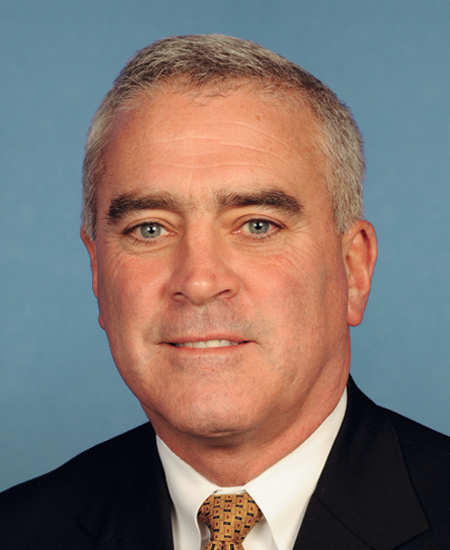
Rep. Brad R. Wenstrup
Sponsored bills
Maddy summaryHR 8231, the James Earl Jones Congressional Gold Medal Act, authorizes a Congressional Gold Medal to be awarded to actor James Earl Jones in recognition of his distinguished career in theater and film, and his role in advancing inclusion and equal opportunities for people of all backgrounds in the entertainment industry. The Treasury will strike the medal with an image and inscription of Jones, and may produce and sell bronze duplicates to cover costs, with proceeds deposited into the U.S. Mint's public enterprise fund. This bill serves as a ceremonial honor with no new legal requirements or policy changes.
Maddy summaryHR 3738 establishes a new Veterans Economic Opportunity and Transition Administration within the Department of Veterans Affairs to consolidate and manage key veteran services including vocational rehabilitation, educational assistance, housing loans, and verification of veteran-owned businesses. It creates a new Under Secretary position specifically for this administration and requires annual reports to Congress on program metrics like claim processing times, outcomes, and staffing levels. The new administration will take effect on October 1, 2024, with specific staffing limits of 34,228 full-time equivalent employees for fiscal year 2024 and 35,417 for 2025. This structure aims to streamline services for veterans while improving program management within the VA.
Maddy summaryThe Growing and Preserving Innovation in America Act of 2024 amends the Internal Revenue Code to reduce the tax deduction rate for foreign-derived intangible income (FDII) from 50% to 37.5%. This directly affects U.S. corporations earning income from intellectual property abroad, as it lowers the tax deduction they can claim on that income. The change takes effect on the date the bill is enacted, altering the tax treatment of foreign-derived income for affected businesses. The provision is a specific policy adjustment to the tax code, not a broader innovation incentive.
Maddy summaryHR 8147 repeals the Corporate Transparency Act, which required certain businesses (typically those with more than 20 employees) to report beneficial ownership details to the Treasury Department. This bill eliminates the requirement for companies to disclose who ultimately owns or controls them, directly affecting business owners and financial institutions that previously submitted this information. The bill also makes minor technical changes to Title 31 of the U.S. Code to remove references to the repealed provisions. The repeal would end the existing financial transparency reporting obligation for covered entities.
Maddy summaryHRES 1170 prohibits U.S. House Members, Delegates, and Resident Commissioners from bringing or displaying any foreign nation's flag on the House floor during sessions, except for lapel pins or flags shown during speeches under House rules. The resolution applies to all flag sizes and is enforced by the House Sergeant-at-Arms. It directly affects House members' conduct during floor proceedings but allows limited exceptions for personal accessories and official speeches. This is a procedural rule change, not a substantive policy.
Maddy summaryThe SERVICE Act of 2024 establishes a 5-year pilot program to create specialized veterans response teams within law enforcement agencies. These teams, funded through federal grants, directly assist veterans in crisis by connecting law enforcement with VA resources, providing mental health training for officers, and organizing 24/7 volunteer response teams. Key provisions include identifying veteran officers to wear service pins, coordinating with VA and community agencies, and developing crisis response plans. The program requires participating agencies to track outcomes and report grant data to Congress annually.
Maddy summaryHR 6046, the Standing Against Houthi Aggression Act, requires the Secretary of State to designate Ansarallah (the Houthis) as a Foreign Terrorist Organization within 90 days of enactment and mandates the President to impose sanctions under existing authorities (Executive Orders 13224 and 13780) against Ansarallah and its members, agents, or affiliates. The bill directly affects Ansarallah and any foreign entities linked to it by triggering U.S. sanctions. Key provisions set strict 90-day deadlines for both the designation and sanctions implementation. The law focuses on reversing a prior designation revocation and enforcing existing legal mechanisms against the group.
Maddy summaryHR 5947 terminates specific U.S. waivers and licenses related to Iran, ending a 2023 waiver that allowed funds transfer from South Korea to Qatar. It prohibits the Treasury Department from reissuing similar waivers or licenses for the same purpose and blocks the President from granting Iran access to certain designated financial accounts established under prior laws. The bill directly affects U.S. foreign policy implementation by restricting how Treasury handles Iran-related financial transactions. It enacts concrete policy changes by ending existing authorizations and preventing future approvals for Iran to access specific accounts.
Maddy summaryHR 5530, the VA Emergency Transportation Access Act, prevents the Department of Veterans Affairs (VA) from lowering payment rates for specialized transportation used by veterans and eligible individuals (like ambulances or wheelchair vans) without strict requirements. It mandates that any rate change that could reduce access to care must first undergo a detailed review analyzing economic impacts on the VA and transportation industry, and ensure the new rate covers actual costs. The VA must also develop a formal process for rate changes and consult with industry experts, veterans' groups, and healthcare agencies before implementing such changes. This bill directly affects veterans relying on specialized transportation for medical care, particularly those in rural or underserved communities, by safeguarding their access to necessary emergency transport services.