

Maddy summaryThis bill authorizes a Congressional Gold Medal to honor the "Hello Girls" - female telephone operators who served in the Army Signal Corps during World War I. They provided critical battlefield communications in France (connecting 26 million calls), wore military uniforms, and faced combat risks, but were denied veteran benefits for 60 years due to being classified as civilian contractors. The medal recognizes their pioneering service, devotion, and the decades-long struggle to gain military recognition. The award follows similar recognition for other WWII women veterans and aims to correct the historical injustice they faced.
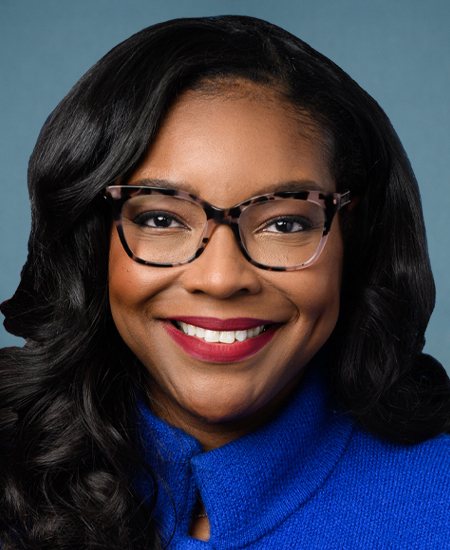
Rep. Emilia Strong Sykes
Sponsored bills
Maddy summaryHRES 219 is a symbolic resolution (not a binding bill) expressing the House’s support for inclusive public schools. It urges schools to adopt historically accurate, diverse educational materials that reflect the nation’s diversity, foster parent-educator partnerships, and eliminate discrimination based on race, disability, LGBTQ+ identity, or other factors. The resolution emphasizes creating safe, well-rounded learning environments that prepare all students for success while protecting students’ civil rights. It directly affects public school districts, educators, families, and students by encouraging practices that promote equity and inclusion.
Maddy summaryHR 1499, the Good Jobs for Good Airports Act, requires airports receiving federal funding to pay covered service workers a minimum wage of at least $15 per hour (or higher if state/local laws or federal standards require it) and provide minimum fringe benefits. It directly affects workers in specific airport roles like security, ticketing, concessions, cleaning, and ramp services at small, medium, or large hub airports. The bill mandates annual certification from airport operators to verify compliance with these wage and benefit standards, tied to eligibility for federal airport grants under the Infrastructure Investment and Jobs Act. It does not override stricter state or local laws but ensures minimum standards for workers supporting airport operations.
Maddy summaryThe Paycheck Fairness Act (HR 17) strengthens equal pay protections by amending the Fair Labor Standards Act. It prohibits pay discrimination based on sex, pregnancy, childbirth, sexual orientation, gender identity, and sex characteristics. The bill modifies employer defenses for pay differences to require demonstration that any disparity is job-related, consistent with business necessity, and accounts for the entire pay differential. It also prohibits employers from relying on wage history when making hiring decisions or setting pay, enhances penalties for violations, and requires the EEOC to collect compensation data disaggregated by sex, race, and national origin.
Maddy summaryHR 1491, the Small Business Energy Loan Enhancement Act, increases the maximum loan amount for energy-related small business loans under the Small Business Investment Act of 1958 from $5.5 million to $10 million. This directly affects small businesses seeking financing for energy efficiency or renewable energy projects by doubling their potential loan access. The bill requires the Small Business Administration to submit annual reports to Congress detailing which industries and geographic areas received these enhanced loans. These changes aim to expand access to capital for qualifying energy projects without altering eligibility criteria.
Maddy summaryThe WRCR Act of 2023 would expand the Earned Income Tax Credit (EITC) to include more low-income workers and students, lowering the minimum age requirement from 25 to 18 and allowing students receiving Federal Pell Grants or meeting specific income requirements to qualify. It would create a new program for monthly advance payments of the credit instead of a single annual payment, with taxpayers needing to report changes in circumstances to avoid overpayment. The bill also modifies income thresholds and credit percentages to increase access for more workers, with these changes taking effect for tax years beginning after December 31, 2022.
This bill excludes from gross income, for income tax purposes, compensation received by individuals and businesses for losses resulting from the East Palestine, Ohio train derailment on February 3, 2023. This includes lost business income paid by a federal, state, or local government agency, Norfolk Southern Railway, or any subsidiary, insurer, or agent of the railway, or any related person.
Maddy summaryThis bill establishes pay equity for federal firefighters by adjusting how their retirement benefits are calculated and setting a standard workweek. It requires retirement annuities to include overtime hours worked as part of a firefighter's regular schedule (e.g., overtime during standard shifts), rather than excluding them. The bill also mandates a maximum 60-hour regular workweek for federal firefighters, set by the Office of Personnel Management within one year of enactment. These changes directly affect federal firefighters, aiming to improve pay comparability with municipal firefighters and other federal employees while supporting recruitment and retention.
Maddy summaryHR 1247 would award a Congressional Gold Medal to the Freedom Riders collectively, honoring their pivotal role in challenging segregation in interstate travel during the Civil Rights movement. The medal, to be struck by the U.S. Mint and displayed at the Smithsonian Institution, recognizes their nonviolent protests that led to the 1961 federal ban on segregation in interstate public facilities. This is a symbolic tribute with no legal effect, as the bill does not create new policies or alter existing laws.
Maddy summaryThe Richard L. Trumka Protecting the Right to Organize Act of 2023 strengthens workers' rights to organize unions by making it harder for employers to interfere with organizing efforts. Key provisions include changing the definition of "employee" to make it more difficult to classify workers as independent contractors, prohibiting employers from threatening to permanently replace striking workers, and requiring employers to provide voter lists for union elections. The bill also creates a new electronic voting system for union elections, strengthens whistleblower protections for workers reporting labor violations, and increases penalties for unfair labor practices. These changes directly affect workers seeking to form unions, employers who may interfere with organizing, and labor organizations. The bill aims to make it easier for workers to exercise their right to collective bargaining under the National Labor Relations Act.