

Maddy summaryHR 9650 requires federal agencies to purchase WaterSense-labeled water-efficient products (like fixtures or appliances) when procuring water-consuming items, unless cost or availability prevents it. It establishes an EPA grant program to provide rebates or incentives for households to buy WaterSense products, prioritizing low- and middle-income families through eligible entities like state governments or utilities. The bill also makes these rebates non-taxable income for individuals and expands existing tax exclusions for water conservation measures. These changes directly affect federal agencies, local governments, and households purchasing water-efficient products.
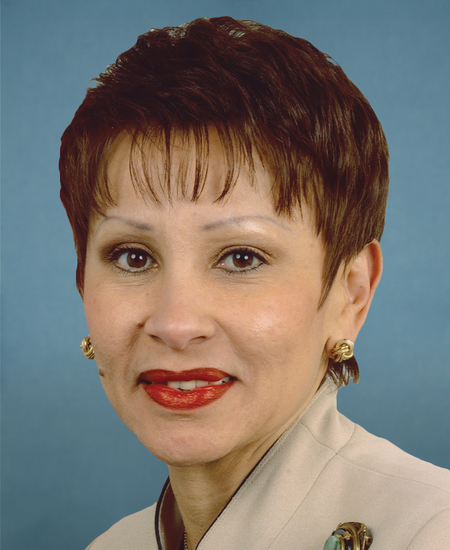
Rep. Nydia M. Velázquez
Sponsored bills
Maddy summaryHRES 1443 is a non-binding resolution expressing the House of Representatives' support for universal access to high-quality, affordable child care and early education for all young children and families. It highlights that current child care costs consume 14% of middle-income families' income (vs. a recommended 7%) and that 50% of U.S. families live in areas with insufficient child care options ("child care deserts"). The resolution calls for future legislation to ensure no family pays more than 7% of income for care, expand access during non-traditional hours, guarantee workforce pay parity with K-12 educators, and fund infrastructure upgrades. It does not create new programs but urges the House to prioritize comprehensive child care reform.
Maddy summaryHRES 1448 is a non-binding House resolution stating that the House believes every person has the right to emergency health care, including abortion care, during medical emergencies. It specifically addresses concerns that abortion restrictions force medical providers to choose between treating patients in life-threatening situations or risking criminal charges. The resolution highlights that such restrictions disproportionately harm Black, Indigenous, people of color, immigrants, low-income individuals, and LGBTQI+ patients. It does not change existing laws but expresses congressional support for ensuring access to emergency care without legal barriers. The resolution was introduced by multiple House members and referred to the Energy and Commerce Committee.
Maddy summaryThis bill requires the FEMA Administrator to reimburse public employee retirement systems for costs related to accidental disability retirements and deaths of workers who participated in 9/11 rescue, recovery, or cleanup efforts. It specifically authorizes $3.4 billion in FY2024 funding for these reimbursements, which must be used solely by eligible retirement systems (those with members who worked at the World Trade Center site). The funds cannot be diverted to other purposes or entities. This policy change directly affects retirement systems managing benefits for first responders and workers injured or killed during the 9/11 operations.
Maddy summaryHRES 1437 is a ceremonial resolution designating the week beginning September 9, 2024, as "National Hispanic-Serving Institutions Week." It recognizes Hispanic-serving institutions (HSIs) - colleges and universities with at least 25% Hispanic enrollment - and their role in educating low-income students, advancing economic mobility, and serving 31.7% of all undergraduate students. The resolution calls for the public and organizations to observe this week with ceremonies and activities during Hispanic Heritage Month. It does not create new laws, allocate funding, or change existing policies - it is purely a symbolic gesture of recognition.
Maddy summaryThis bill caps the interest rate at 6% on student loans that active-duty servicemembers (or their spouses jointly) consolidate or refinance *during* military service, but only if those loans were originally taken out *before* they joined the military. It directly affects servicemembers who use consolidation or refinancing to manage pre-service student debt while serving. The key provision limits interest rates on these specific consolidated/refinanced loans to 6% for the duration of military service, excluding other types of debt. The bill defines "student loan" to include both federal loans under the Higher Education Act and qualifying private loans.
Maddy summaryHRES 1432 designates September 10, 2024, as "National Firearm Suicide Prevention Day" to raise public awareness about firearm suicides and promote safe storage practices. The resolution encourages healthcare professionals to discuss safe firearm storage with patients and supports the day's goals of reducing firearm suicides through education. It directly affects the general public and healthcare providers by highlighting evidence that safe storage lowers suicide risk, referencing statistics like 54.6% of U.S. suicides in 2022 involving firearms. The bill is symbolic, with no new legal requirements, and aligns with existing awareness efforts like Firearm Suicide Prevention Day.
Maddy summaryHR 9509 modifies the eligibility rules for small disadvantaged businesses in the SBA's 8(a) program. It changes the start date for counting the 8(a) participation period to the earlier of when a business first wins an 8(a) contract or two years after its certification. This directly affects current 8(a) participants who haven't yet secured an 8(a) contract, potentially extending their eligibility window. The SBA must issue implementing regulations within six months, with the change taking effect after those rules are finalized.
Maddy summaryThis bill raises the federal government's goal for contracts with women-owned small businesses from 5% to 7% of total procurement. It establishes a new exclusive contract vehicle for women-owned businesses, eliminates unnecessary restrictions on awarding contracts to them, and requires federal agencies to provide training to acquisition personnel on increasing contracts with these businesses. The bill also mandates reports on agency contracting practices and creates a list of women-owned businesses that haven't been awarded federal contracts. These provisions directly affect women-owned small businesses seeking federal contracts and federal procurement agencies responsible for implementing these changes.
Maddy summaryHRES 1422 is a resolution recognizing the 60th anniversary of the Wilderness Act (enacted in 1964), which established the National Wilderness Preservation System. The resolution commends advocates for the Act, acknowledges wilderness areas' role in protecting over 112 million acres of public lands, and highlights their benefits for recreation, clean water, wildlife habitat, and climate resilience. It specifically emphasizes the importance of including Tribal governments in wilderness designation and management. As a commemorative resolution, it does not create new laws or directly affect any group.