

Maddy summaryHR 3050, the Fair Adjudications for Immigrants Act, changes how immigration authorities define a "conviction" for deportation purposes. It specifically excludes dismissed, expunged, or vacated cases, probation without judgment, and cases under appeal from being counted as convictions. The bill also requires courts to issue a formal recommendation against removal before immigration penalties apply for certain convictions. This directly affects immigrants with past criminal records who have had these specific legal dispositions applied to their cases.
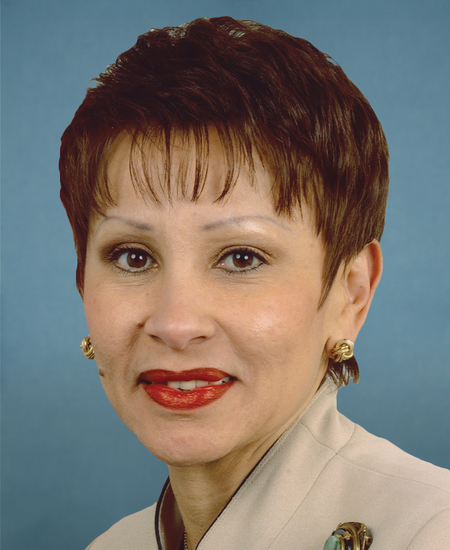
Rep. Nydia M. Velázquez
Sponsored bills
Maddy summaryHRES 344 is a non-binding resolution proposing that April be designated as "National Garifuna Immigrant Heritage Month" to recognize the contributions of Americans with Garifuna immigrant heritage. It specifically aims to celebrate their cultural traditions, historical roots in Central America, and role in enriching U.S. diversity. The resolution encourages the American public to observe this month through ceremonies and activities highlighting Garifuna history and culture, which includes UNESCO-recognized traditions. It does not create new programs or funding but serves as a symbolic acknowledgment of this community's heritage. The resolution was introduced in the House of Representatives on April 28, 2023.
Original Fair Housing Resolution of 2023 This resolution expresses support for the goals and values of the 55th anniversary of the Fair Housing Act and for efforts to strengthen housing protections.
Maddy summaryThis bill protects living organ donors from insurance discrimination by prohibiting life, disability, and long-term care insurers from denying coverage, raising premiums, or altering policy terms solely because someone donated an organ while alive. It also updates the Family and Medical Leave Act to include recovery from organ donation surgery as a qualifying health condition, allowing donors to take protected leave for this purpose. Additionally, the bill requires the Health and Human Services Secretary to update public educational materials about living donation benefits, risks, and insurance protections within six months of enactment. These changes directly affect living organ donors, insurers, employers, and healthcare systems by ensuring fair access to insurance and workplace leave.
Maddy summaryHR 2878 (CARE Act of 2023) requires federally funded research facilities (like those receiving NIH grants) to develop and publicly post adoption policies for dogs, cats, and rabbits no longer used in biomedical research. Key provisions mandate facilities to assess each animal’s health for adoption suitability, make reasonable efforts to place them through shelters, adoption organizations, or private arrangements, and publicly track adoption rates and outcomes. The bill directly affects over 240,000 companion animals used annually in U.S. research, ensuring transparency by requiring facilities to publish annual records on adoption numbers and euthanasia. It also provides legal immunity to facilities following these adoption policies, except for gross negligence.
Maddy summaryHR 2904, the Anti-Racism in Public Health Act of 2023, establishes a National Center on Antiracism and Health within the CDC. The center will declare racism a public health crisis, conduct research on how structural racism affects health outcomes, and develop data systems to track health disparities across race, ethnicity, gender, and other factors. It will fund regional centers in minority communities, create public health interventions, and require CDC to report annually on antiracist efforts. This bill directly affects public health agencies, researchers, and communities of color by mandating systemic analysis of racial inequities in healthcare and public health policy.
Maddy summaryHR 2984, the CLAIM Act, protects insurers who provide coverage to cannabis businesses operating legally under state law. It prohibits federal agencies from penalizing, canceling policies, or discouraging insurers for serving cannabis-related legitimate businesses (like growers, retailers, or manufacturers) in states or tribal areas where cannabis is permitted. The bill creates a federal "safe harbor," shielding insurers from liability under federal law when offering insurance to these businesses or their employees. It also directs the GAO to study barriers to financial services for minority- and women-owned cannabis businesses and report findings to Congress.
Maddy summaryThe Child Care for Working Families Act establishes a federal entitlement program providing subsidized child care for working families with children under age 6 who are not yet in kindergarten. It creates a sliding fee scale where families at or below 85% of State median income pay no copayment, while higher-income families pay up to 7% of their income based on income thresholds. The bill requires states to develop quality rating systems for child care providers and ensures providers receive sufficient funding to meet quality standards, including wages equivalent to elementary educators. It prioritizes access for underserved populations including children with disabilities, infants and toddlers, children experiencing homelessness, and families in low-income communities. The program is funded with $20 billion for fiscal year 2024 and subsequent years through 2029.
Forced Arbitration Injustice Repeal Act of 2023 or the FAIR Act of 2023 This bill prohibits a predispute arbitration agreement from being valid or enforceable if it requires arbitration of an employment, consumer, antitrust, or civil rights dispute.
Maddy summaryThe Combating Child Labor Act strengthens penalties for employers violating child labor laws under the Fair Labor Standards Act. It increases criminal fines to $500,000 or up to 10 years in prison for willful violations causing death or serious injury to children under 18, and raises civil penalties for such violations up to $700,000 per incident. The bill also requires the Department of Labor to publish an annual report detailing child labor violations, including employer names, types of violations, and trends by industry or region. This report will help track enforcement efforts and identify high-risk areas, directly affecting employers who violate child labor rules and the Department of Labor’s oversight role.