

Maddy summaryHR 4278, the Restore VA Accountability Act of 2023, establishes new disciplinary procedures for VA supervisors and management officials (excluding senior executives and political appointees). It requires the VA Secretary to use "substantial evidence" for removal, demotion, or suspension, sets strict timelines (15 business days total for decisions), and creates a new internal grievance process. The bill limits judicial review to procedural errors, not penalty severity, and strengthens whistleblower protections by requiring Office of Special Counsel approval for disciplinary actions involving disclosures. This directly affects VA supervisors and managers whose performance or misconduct leads to disciplinary action.
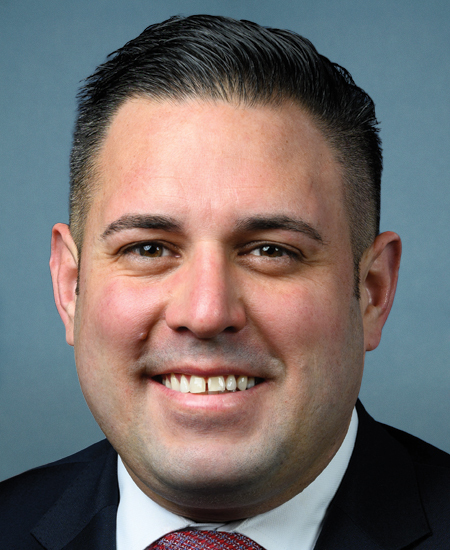
Rep. Anthony D’Esposito
Sponsored bills
Maddy summaryHRES 1080 is a congressional resolution expressing that the U.S. and partner nations must coordinate to address humanitarian crises faced by North Koreans in China, particularly forced labor, trafficking, arbitrary detention, and forced repatriation. It directly affects North Korean refugees (especially women and girls) and U.S. import policies, urging action to stop seafood imports from China processed using North Korean labor - citing reports that such labor fuels North Korea’s nuclear program. Key mechanisms include enforcing the Countering America’s Adversaries Through Sanctions Act (which bans goods made with North Korean labor), pressuring China to comply with refugee conventions, and using sanctions authorities like the Global Magnitsky Act against Chinese officials. The resolution calls for diplomatic coordination with allies and UN action to protect refugees and end forced labor practices.
Maddy summaryThis bill prohibits the interstate transport, sale, breeding, or possession of captive American mink raised for fur production (including parts or offspring), directly affecting mink fur farmers and the fur industry. It includes a limited exception for entities covered under the Lacey Act and establishes a buy-out program where the government may purchase mink farms. The buy-out amount is based on the farmer's average mink count over three years and the farm's infrastructure value. Funding for the buy-out depends on available appropriations. The bill does not apply to mink not raised for fur or to certain wildlife management activities.
Maddy summaryThis bill amends U.S. immigration law to automatically bar immigrants from entering the country and require their removal if they have been convicted of, admitted to committing, or are charged with sexual assault. It directly affects non-citizens (aliens) who have been involved in sexual assault offenses, as defined under existing law. Key provisions add new grounds for inadmissibility (preventing entry) and deportability (requiring removal) specifically for such offenses under sections 212(a)(2) and 237(a)(2) of the Immigration and Nationality Act. The bill does not change criminal penalties for sexual assault but modifies immigration consequences for those with such convictions or admissions.
Maddy summaryHR 7629, the Protect Our Letter Carriers Act of 2024, allocates $1.4 billion annually (2025-2029) to the U.S. Postal Service for high-security collection boxes and replacing physical universal mailbox keys with electronic versions, directly affecting USPS operations and letter carriers. It requires the Attorney General to appoint specialized prosecutors in each district to coordinate investigations and prosecutions of postal-related crimes, such as assaults on carriers or mail theft. The bill also mandates the U.S. Sentencing Commission to adjust guidelines so that assaults or robberies against postal employees are treated with the same severity as assaults against law enforcement officers. These provisions aim to enhance safety through infrastructure upgrades, improved prosecution, and stricter sentencing for crimes targeting postal workers.
Maddy summaryThe Laken Riley Act (HR 7511) would require federal authorities to detain non-citizens charged with or convicted of burglary, theft, larceny, or shoplifting offenses. It also creates new legal standing for state attorneys general to sue federal immigration officials in federal court if they believe immigration enforcement decisions (like releasing aliens or granting parole) cause financial harm exceeding $100 to the state or its residents. The bill amends immigration laws to expand detention requirements for certain property crimes and allows states to seek court orders to enforce immigration policies. It does not create new criminal penalties but modifies existing immigration enforcement procedures. The bill’s findings and political language about the Laken Riley case are not part of its policy provisions.
Maddy summaryThis resolution (HRES 1069) demands that the Chinese government immediately release Kai Li, a U.S. citizen detained in China since 2016. It condemns China for denying Li access to legal counsel, unmonitored family communication, U.S. diplomatic visits, and adequate medical care during his detention. The resolution calls on the U.S. government to prioritize securing Li’s release through diplomatic pressure and international advocacy. It focuses on the specific conditions of Li’s detention and U.S. diplomatic efforts, without proposing new laws or regulations.
Maddy summaryThis non-binding resolution expresses the House's support for in vitro fertilization (IVF) access, noting that 19% of women in the U.S. face infertility challenges. It states IVF is necessary for those unable to conceive naturally, emphasizes policies enabling family growth, and recognizes "life is precious." The resolution does not create new laws or change regulations but symbolically affirms the House's position on IVF as a vital medical option for individuals struggling with infertility. It was introduced by Rep. Chavez-DeRemer and others on February 29, 2024.
Maddy summaryHRES 1043 is a non-binding congressional resolution expressing support for continued access to fertility care and in vitro fertilization (IVF) following a February 2024 Alabama Supreme Court ruling that threatened IVF services. The resolution condemns the Alabama ruling, which caused clinics to suspend IVF care and raised concerns about legal liability for providers. It urges federal and state officials to protect access to IVF and other assisted reproductive technologies, calling for legislative action to prevent further restrictions. The resolution directly addresses the immediate impact on Alabama patients and providers but does not create new laws or alter existing regulations.
Maddy summaryThis bill requires the Defense and Veterans Affairs Secretaries to evaluate existing research on menopause, perimenopause, and mid-life health in female service members and veterans. They must identify gaps in knowledge about treatments, military service impacts (including combat roles, burn pits, and toxic chemicals like PFAS), and mental health effects, then report findings and create a strategic research plan within 180 days. The bill also mandates both departments to conduct or fund new research on these issues. It directly affects women currently serving in the military and veterans who experience menopause-related health challenges. The law focuses on gathering evidence to address specific health gaps unique to this population.