Coronavirus Medicaid Response Act This bill increases the Medicaid federal matching rate, also known as the Federal Medical Assistance Percentage (FMAP), for states and U.S. territories that experience economic downturns (i.e., high unemployment) beginning on or after January 1, 2020, in accordance with specified requirements and limitations. The bill's increase is in addition to previously enacted FMAP increases relating to COVID-19 (i.e., coronavirus disease 2019) but may not result in an FMAP greater than 95%.
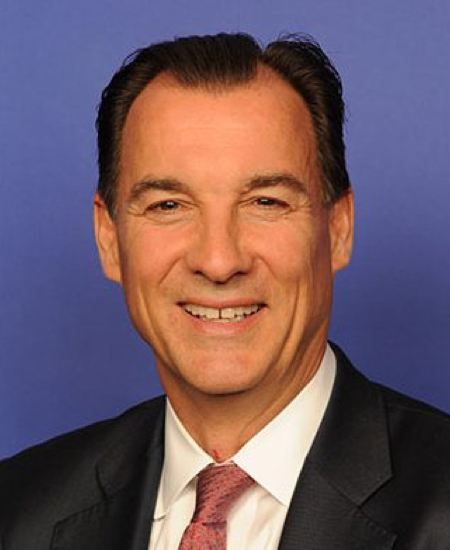
Rep. Thomas R. Suozzi
Sponsored bills
Strengthening Mental Health Supports for BIPOC Communities Act This bill requires states and other jurisdictions that receive certain block grants for community mental health services and substance abuse prevention and treatment to report on services and outreach provided through those grants to members of racial and ethnic minority groups.
This resolution reaffirms the United States' commitment to supporting democracy and human rights both domestically and internationally. The resolution also calls on the U.S. government to uphold all relevant international human rights agreements ratified by the United States.
This bill provides for the presentation of a Congressional Gold Medal to the Freedom Riders, in recognition of their contribution to civil rights by fighting for equality in interstate travel.
Juneteenth National Independence Day Act This bill establishes Juneteenth Independence Day as a federal holiday.
Protecting LGBTQ Youth Act This bill expands programs that prevent and treat child abuse and neglect to address issues facing lesbian, gay, bisexual, and transgender youth. Specifically, these programs include (1) research and reporting requirements, (2) providing technical assistance, (3) grants to states and local agencies to train child-welfare personnel, and (4) community-based prevention-service grants, among others.
Hospitality and Commerce Job Recovery Act of 2021 This bill extends existing and establishes new tax credits that assist the hospitality and restaurant industry. Specifically, it allows a conventionand trade show restart tax credit; extends the employee retention tax credit through 2021; suspends for taxable years 2021 through 2022, the limitation on entertainment expenses related to a trade or business, allows a restaurant and dining restart credit for businesses closed or forced to reduce services due to COVID-19 (i.e., coronavirus disease 2019); allows a 50% tax credit for travel expenditures; and allows a tax credit for unmerchantable inventory for the period between December 31, 2019, and before April 1, 2021.
National Apprenticeship Act of 2021 This bill provides statutory authority for the registered apprenticeship program within the Department of Labor and for related grant programs. The bill provides statutory authority for the Office of Apprenticeship (OA) within Labor. The OA's responsibilities include (1) supporting the development of apprenticeship models; (2) recognizing qualified state apprenticeship agencies, and operating apprenticeship offices in states without a recognized agency; (3) providing technical assistance to state agencies; (4) periodically updating requirements for each occupation in the apprenticeship program and determining whether to approve new occupations for the program; (5) promoting greater diversity in the national apprenticeship system; and (6) awarding grants provided by this bill. The bill also establishes in statute the responsibilities of state apprenticeship agencies and offices, including (1) providing technical assistance to stakeholders, (2) resolving complaints, (3) establishing state performance goals, and (4) including in its written plan a description of how its apprenticeship programs align with the skills needs of the state's employers. The OA shall enter into an agreement with the Department of Education to promote the integration and alignment of apprenticeship programs with secondary, postsecondary, and adult education. The OA shall award grants, contracts, or cooperative agreements to eligible entities to (1) expand national apprenticeship system programs, including by expanding pre-apprenticeship and youth apprenticeship programs; (2) encourage employer participation; and (3) strengthen alignment between the apprenticeship system and education providers. The bill provides statutory authority for criteria for various programs, including (1) quality standards for apprenticeships, (2) requirements for apprenticeship agreements between a program sponsor and an apprentice, and (3) acceptable uses for grant funds awarded by this bill. The bill also provides statutory authority for the National Advisory Committee on Apprenticeships. The committee's duties shall include advising the OA on matters relating to this bill and providing recommendations on topics such as increasing the participation of populations not traditionally involved in the national apprenticeship system. Labor shall engage an independent entity to conduct research on ways to improve the management and effectiveness of national apprenticeship system programs.

This resolution recognizes essential employees with disabilities for their efforts during the COVID-19 (i.e., coronavirus disease 2019) pandemic.
This resolution declares that (1) the United States needs a Marshall Plan for Moms to revitalize and restore mothers in the workforce; and (2) mothers, especially mothers of color have been pushed to the brink of economic, social, and emotional collapse during the COVID-19 (i.e., coronavirus disease 2019) pandemic because of the existing economic and social inequalities women have long faced. The resolution also states that any relief and long-term recovery package to address the COVID-19 crisis must recognize and rebuild moms in the workforce by including certain policies such as establishing a robust paid leave plan; rebuilding and stabilizing the child care industry; providing necessary child poverty reduction tools for families' economic security that include recurring child benefits and an expanded and improved child tax credit and earned income tax credit; establishing an expanded unemployment insurance program that benefits struggling workers, including those experiencing long-term unemployment; raising the federal minimum wage to $15 per hour or higher for all minimum wage workers; and providing access to mental health support for mothers. Finally, the resolution declares that employers and policymakers must prioritize addressing the economic cliff facing mothers and make permanent the policies set forth in this resolution so that mothers are protected against any future economic calamities.