

Maddy summaryThis House resolution expresses support for designating the week of September 19 through September 26, 2026, as National Estuaries Week to raise public awareness about the importance of these coastal ecosystems. The bill highlights that estuaries support a significant portion of the U.S. population and economy while providing critical services such as flood control, water filtration, and habitat for fish and wildlife. It acknowledges ongoing threats to estuary health, including pollution and sea level changes, and recognizes the efforts of government agencies, organizations, and individuals working to protect and restore these areas.

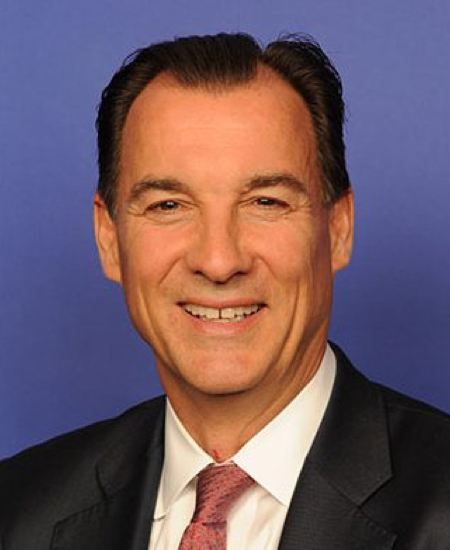
Rep. Thomas R. Suozzi
Sponsored bills
Maddy summaryHR 1031 establishes the Fort Ontario Holocaust Refugee Shelter National Historical Park in New York to preserve and interpret the site where 982 Holocaust refugees were housed from 1944 to 1946. The park will be managed by the National Park Service after the Secretary of the Interior acquires sufficient land (primarily through donation for state-owned property) to form a manageable unit. Key provisions require a Federal Register notice upon land acquisition, a management plan within three years, and cooperative agreements for public access and interpretation. The park directly affects the preservation of this historical site and serves the public by making its history accessible for education and reflection.
Maddy summaryThis bill amends the Fair Labor Standards Act to clarify that direct sellers and qualified real estate agents (as defined under IRS rules) are not considered "employees" under federal labor law. It directly affects these workers by excluding them from FLSA protections like minimum wage and overtime pay. The key provision inserts a new definition into the law, changing how these professions are classified for labor rights purposes. This is a technical definitional change, not a new policy or program.
Maddy summaryThis House resolution marks the 25th anniversary of the September 11, 2001 terrorist attacks by formally honoring the memory of the nearly 3,000 victims and recognizing the sacrifices made by first responders, military personnel, and the passengers of United Airlines Flight 93. The bill acknowledges the ongoing health challenges faced by survivors and responders, highlighting the role of the World Trade Center Health Program in providing long-term medical support. It also credits charitable organizations and community groups that have continued to assist victims' families and veterans over the past two decades. Finally, the resolution urges the American public to observe the anniversary with ceremonies and reaffirms Congress's commitment to remembering the events and lessons of that day.
Maddy summaryThe Nitrous Oxide Safety Act of 2026 would classify consumer products containing nitrous oxide as banned hazardous items under federal law, except for specific exceptions. The bill prohibits the sale of nitrous oxide products for recreational use while allowing continued sales for medical and dental treatments, food production in commercial kitchens, research and development activities, and food propellant applications. This legislation directly affects manufacturers, retailers, and consumers by restricting access to nitrous oxide in consumer products after 180 days from enactment. The law defines nitrous oxide as the gas known as laughing gas or whippits and specifies which entities and activities are exempt from the ban.
Maddy summaryHR 6152, the Foreign Robocall Elimination Act, establishes an interagency task force to address foreign robocalls entering the United States. The task force, composed of the FCC, FTC, DOJ, and private sector representatives, will study the origins, impacts, and potential solutions to foreign robocalls and must submit a report to Congress within 360 days. The bill also modifies existing law to require FCC notices about robocall mitigation every three years instead of annually, and introduces a bond requirement for providers using the Robocall Mitigation Database. This legislation affects telecommunications providers, federal agencies, and all U.S. telephone users who receive unwanted calls. The bill aims to improve coordination between U.S. agencies and foreign countries in combating illegal robocalls through concrete policy changes.
Maddy summaryThe We Can't Wait Act of 2026 allows individuals who have not yet reached early retirement age to choose whether they want to receive Social Security disability benefits during the standard five-month waiting period that currently precedes benefit payments. If an individual makes this election, their monthly benefit amount is permanently reduced by a specific percentage, initially set at 94.25 percent of the standard rate, to ensure the change does not increase the long-term costs for the Federal Disability Insurance Trust Fund. The bill requires the Social Security Administration to update application forms within 180 days of enactment and mandates that actuaries recalculate this reduction factor every five years to maintain actuarial neutrality over a 75-year period.
Maddy summaryThe American Mariner Tax Fairness Act amends the Internal Revenue Code to allow U.S. merchant mariners working on qualifying vessels in foreign trade to treat their earnings as foreign earned income for tax purposes. This change directly affects U.S. citizens or residents who are actively employed on large, U.S.-flagged ships of at least 6,000 deadweight tons used exclusively in international commerce. To qualify, a mariner must work at least 90 full days during any 12-consecutive-month period while the vessel is engaged in U.S. foreign trade. The bill effectively grants these workers the same tax exclusion benefits currently available to individuals working abroad, applying to taxable years beginning after the law's enactment.