

Palestinian International Terrorism Support Prevention Act of 2021 This bill imposes sanctions targeting Hamas, the Palestinian Islamic Jihad, and any affiliate or successor groups. The President shall periodically report to Congress a list of each foreign person or instrumentality that knowingly assists, provides significant support or services to, or is involved in a significant transaction with a senior member or supporter of any of the targeted groups. The President shall impose two or more sanctions on the named persons. Specifically, the person may be (1) denied credit and services from the Export-Import Bank, (2) barred from purchasing certain controlled defense articles, (3) denied exports of items on the U.S. Munitions List, (4) prevented from receiving exports of certain goods or technology controlled for national security reasons, (5) prohibited from receiving financing of more than $10 million from any U.S. financial institution, or (6) subject to property-blocking restrictions. The President shall periodically report to Congress a list of foreign governments that have repeatedly provided material support for the targeted groups' terrorist activities. The President shall bar these governments from receiving for one year (1) U.S. assistance, or (2) exports of controlled munitions. The Department of Treasury shall instruct U.S. leadership of international financial institutions to oppose the provision of assistance to an identified government for one year. The bill provides for certain exceptions and waivers, such as for transactions that would serve U.S. national interests. The President shall report to Congress and periodically provide briefings on other specified topics related to the targeted groups, such as where these groups secure financing and surveillance equipment.
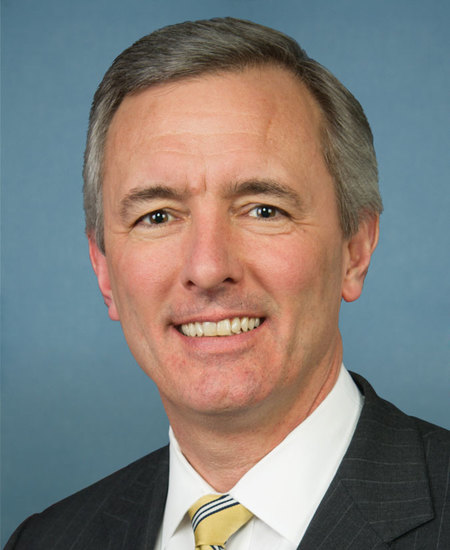
Rep. John Katko
Sponsored bills
COVID Preparedness, Response, and Effective Planning for Advanced Requirements by the Executive Branch Act of 2021 or the COVID PREPARE Act of 2021 This bill requires federal agencies to submit to Congress plans for responding to COVID-19 (i.e., coronavirus disease 2019). Specifically, each agency shall submit (1) an initial report detailing an action plan, informed by research and best practices learned from the onset of COVID-19, previous pandemics, and health emergencies, for addressing the needs and mitigating and eliminating the risks and challenges associated with COVID-19 and the deployment of COVID-19 vaccines; and (2) subsequent reports, on a quarterly basis until the President ends the declared emergency, that update the details submitted in the plan. The initial report shall include agency priorities for preparing for and responding to the pandemic, including continuity of operations and fulfilling the agency's mission and priorities related to the deployment of COVID-19 vaccines; measurable goals specific to priorities and a time line for addressing each priority; anticipated challenges to addressing priorities and how the agency will address such challenges; how the agency will consult with Congress, the public, state and municipal governments, and relevant stakeholders while working remotely; how the agency plans to issue relevant guidance to entities under the jurisdiction of the agency; and any resources the agency needs from Congress.
Direct Support for Communities Act This bill provides FY2021 supplemental appropriations to the Department of Housing and Urban Development (HUD) to award additional Community Development Block Grants to units of local government and counties to prevent, prepare for, and respond to coronavirus and the COVID-19 (i.e., coronavirus disease 2019) public health emergency. Specifically, within 30 days, HUD must distribute 50% of such funds to metropolitan cities and other units of local government and 50% to counties and parishes. These funds may be used to cover costs or replace lost, delayed, or decreased revenues stemming from the COVID-19 public health emergency. Additionally, the bill designates the funding as emergency spending, which is exempt from discretionary spending limits.
Federal Reserve Transparency Act of 2021 This bill establishes requirements regarding audits of certain financial agencies performed by the Government Accountability Office (GAO). Specifically, the bill directs the GAO to complete, within 12 months, an audit of the Federal Reserve Board and Federal Reserve banks. In addition, the bill allows the GAO to audit the Federal Reserve Board and Federal Reserve banks with respect to (1) international financial transactions; (2) deliberations, decisions, or actions on monetary policy matters; (3) transactions made under the direction of the Federal Open Market Committee; and (4) discussions or communications among Federal Reserve officers, board members, and employees regarding any of these matters.