

Maddy summaryHR 7577, the CHEERS Act, creates a new tax deduction for restaurants, bars, and entertainment venues by expanding eligibility under the energy efficiency tax code (Section 179D). It defines "qualified energy-efficient draft property" as stainless steel or aluminum containers and tap equipment used for alcohol distribution in these businesses, treating them as eligible for the existing energy efficiency tax deduction. This change applies to equipment placed in service after the bill's enactment date, directly benefiting hospitality businesses that own or lease such equipment. The provision modifies existing tax code language without creating new tax rates or altering other regulations.
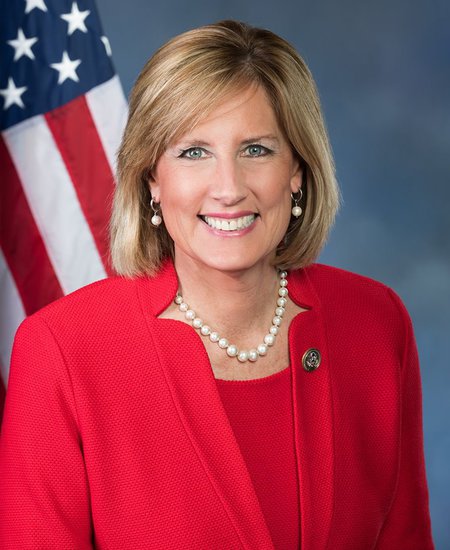
Rep. Claudia Tenney
Sponsored bills
Maddy summaryThe Appropriations Transparency Act of 2024 requires the Congressional Budget Office to provide detailed cost breakdowns for bills reported by the House and Senate Appropriations Committees. Specifically, these estimates must include total budget authority, comparisons to spending allocations, outlay projections, rescissions, offsetting receipts, changes to mandatory programs (CHIMPs), direct spending, and categorization details. The bill directly affects the Appropriations Committees by mandating these specific disclosures in all cost estimates for their reported bills. This aims to clarify how funding is allocated and spent, though it does not change actual funding levels or program provisions. The bill also adjusts House Rule XIII to ensure these detailed estimates are not blocked by procedural rules.
Maddy summaryHR 7552, the "RECOGNIZING Judea and Samaria Act," is a procedural bill requiring the U.S. government to replace the term "West Bank" with "Judea and Samaria" in all official documents, communications, and policy materials after enactment. It prohibits federal funds from being used to prepare or distribute any materials using "West Bank," with limited exceptions for international treaty obligations and a Secretary of State waiver process. The bill amends multiple laws (including the Foreign Assistance Act and Taylor Force Act) to update terminology throughout U.S. legal texts. This is a terminology change affecting government communications, not a policy altering territorial status or impacting individuals.
Maddy summaryThe Ensuring States Support Law Enforcement Act requires states to adopt policies allowing the Department of Homeland Security (DHS) to access state driver's license and vehicle registration records for immigration enforcement purposes. States must implement this policy by the first fiscal year after the bill becomes law to qualify for federal law enforcement grants. Specifically, this applies to states seeking funds through the Edward Byrne Memorial Justice Assistance Grant Program, which provides federal funding for state and local law enforcement initiatives. Failure to comply would make a state ineligible for these grants.
Maddy summaryThe Farm to Fly Act of 2023 amends USDA programs to include sustainable aviation fuel (SAF) as a qualifying product for financial assistance, directly affecting farmers, biorefineries, and agricultural producers. It defines SAF as liquid fuel meeting strict environmental standards - requiring at least a 50% reduction in lifecycle greenhouse gas emissions compared to jet fuel and excluding sources like palm oil or petroleum. The bill mandates the Secretary of Agriculture to lead a cross-agency initiative focused on advancing SAF development, leveraging agricultural resources, and fostering public-private partnerships to expand the domestic SAF market. This aims to support rural economic growth, strengthen U.S. energy security, and align with national clean energy goals in aviation.
Maddy summaryThe Assad Regime Anti-Normalization Act of 2023 amends the Caesar Syria Civilian Protection Act to expand sanctions against individuals and entities supporting the Assad regime in Syria. It targets those who provide financial or material support to the regime, divert humanitarian aid, seize property, or engage with Syria Arab Airlines or Cham Wings. The bill prohibits U.S. officials from recognizing or normalizing relations with the Assad regime and requires the administration to develop a strategy to counter other countries' engagement with Syria. It also mandates annual reports on diplomatic meetings with Syria, transactions involving Syria, and how the Assad regime manipulates UN operations in Syria.
Maddy summaryThis bill amends the 2018 Anti-Boycott Act to include boycotts by international governmental organizations (IGOs), such as UN agencies, alongside boycotts by foreign countries. It expands existing requirements for U.S. entities to report boycotts they comply with, now covering IGO-initiated boycotts as well. The change directly affects U.S. businesses and organizations operating internationally who might face pressure from IGOs to participate in boycotts. Key provisions update legal definitions in the law by inserting "or international governmental organization" in relevant sections without creating new penalties.
Maddy summaryThe Uyghur Policy Act of 2023 establishes a U.S. Special Coordinator for Uyghur Issues within the State Department to coordinate policy and advocate for the protection of Uyghur cultural, religious, and linguistic identity in Xinjiang. It authorizes $250,000 annually for Uyghur human rights advocates to speak at public diplomacy events in Muslim-majority countries and mandates Uyghur language training for U.S. diplomats. The bill also directs the U.S. government to support United Nations monitoring of Xinjiang human rights issues and oppose efforts to block discussions of Xinjiang at the UN. These provisions focus on diplomatic advocacy and information-sharing, not direct sanctions or enforcement actions against China.
Maddy summaryHR 7450, the Protecting Privacy in Purchases Act, prohibits payment card networks and covered entities (like payment processors) from requiring or assigning merchant category codes that specifically identify firearms retailers as different from general stores or sporting goods retailers. This directly affects firearms retailers and payment networks by preventing them from using business classification codes that could flag firearm sales. The bill establishes an enforcement process where the Attorney General investigates complaints, issues remediation notices, and can seek court injunctions for non-compliance, while preempting state or local laws on this issue. It does not create private lawsuits for individuals.
Maddy summaryHR 7378, the Frederick Douglass Congressional Gold Medal Act, authorizes Congress to posthumously award a gold medal to honor Frederick Douglass's legacy as a pivotal abolitionist, writer, and advocate for civil rights. The medal, designed by the Treasury Secretary, will be presented to the National Museum of African American History and Culture for display, with bronze duplicates available for sale to cover costs. This ceremonial bill does not create new laws or affect current policies - it solely commemorates Douglass's historical contributions to ending slavery and advancing equality.