

Maddy summaryHCONRES 86 is a non-binding congressional resolution expressing that a carbon tax would harm the U.S. economy. It states that such a tax would raise energy prices for essentials like gasoline, electricity, and home heating, disproportionately affecting low-income families, the elderly, and fixed-income individuals. The resolution argues a carbon tax would reduce economic growth, encourage businesses to move overseas, and weaken U.S. global competitiveness, urging focus on pro-growth energy policies instead.
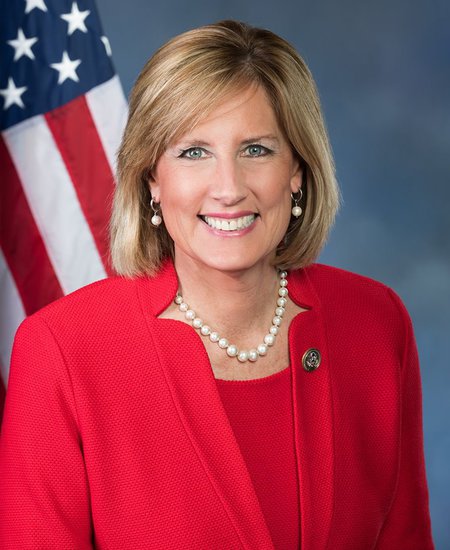
Rep. Claudia Tenney
Sponsored bills
Maddy summaryThis bill provides tax relief for U.S. citizens wrongfully detained abroad or held hostage. It postpones tax deadlines and disregards the detention period when calculating penalties, interest, or tax liabilities for affected individuals. The law requires the State Department and Attorney General to provide Treasury with lists of eligible individuals by January 2025, enabling refunds for penalties paid during detention (from January 2021 through the bill's enactment). Individuals must apply for refunds through a new program established by Treasury, with extended deadlines for claims after notification.
Safeguarding Investment Options for Retirement Act This bill prohibits tax-exempt retirement plans (e.g., 401ks) from making investment decisions based on factors other than financial risk and return factors.
Maddy summaryThis bill establishes new eligibility rules for women's and girls' amateur sports by defining "female" and "male" based on biological sex at birth. It prohibits individuals designated as male under these definitions from participating in athletic competitions designated for females, women, or girls. The law amends existing U.S. Code provisions to add this requirement, directly affecting athletes and organizations managing female-designated teams. The key change is a clear ban on male-identified participants in female sports, replacing previous eligibility standards with biological sex criteria.
Maddy summaryThis bill establishes a new process for investigating whistleblower retaliation claims within the FBI. It designates the Inspector General of the Department of Justice to receive and investigate allegations of retaliation against FBI employees who disclose information protected under whistleblower laws. The bill sets specific timelines for investigations, requires the Inspector General to notify complainants of investigation status, and allows for corrective actions like reinstatement, back pay, and other remedies if retaliation is found. It also creates procedures for disciplinary action against FBI employees who engage in retaliation and requires annual reports to Congress detailing investigation outcomes. The bill directly affects FBI employees who make protected disclosures and those who retaliate against them.
Maddy summaryThis resolution (HRES 1092) is a symbolic statement by the U.S. House of Representatives. It affirms that the existing U.S.-Israel Free Trade Agreement supports Israel's economy during the conflict with Hamas, recognizing that trade under this agreement has historically boosted economic ties between the two nations. The resolution does not create new laws or funding but formally expresses the House's view that maintaining this trade relationship is important for Israel's economic stability. It cites historical trade growth and current economic data to underscore this position.
Maddy summaryHR 7725 would block federal funding for graduate medical schools that require students or staff to adopt specific statements about race, gender, or identity (like claiming systemic racism or collective guilt), use race-based distinctions in admissions or programs, maintain DEI offices, or mandate "diversity statements" for admission. It directly affects graduate medical schools at colleges/universities receiving federal financial aid, including student loans. The bill exempts medical education about race-related health needs, demographic data collection for reporting, and religious institutions from adhering to policies conflicting with their beliefs. Schools violating these rules would lose eligibility for federal funds, though they could still comply with anti-discrimination laws and provide general academic instruction.
Maddy summaryThis bill prohibits U.S. app stores, hosting services, and distributors from enabling foreign adversary-controlled applications (like TikTok, owned by ByteDance) to operate within U.S. borders. It requires companies to provide users with their data in a machine-readable format before a ban takes effect, and imposes civil penalties of up to $5,000 per affected user for violations. The law directly affects major app platforms, app stores, and internet hosting services, targeting applications owned by entities controlled by designated "foreign adversary" countries (e.g., China). It includes exemptions for companies that divest U.S. operations to non-adversary entities before the ban date.
Maddy summaryThis bill requires NASA and NOAA to establish civilian space cooperation with Taiwan within 90 days, focusing on satellite programs, weather/climate initiatives, and commercial space technology. It directly affects U.S. agencies (NASA, NOAA) and Taiwan’s Space Agency through structured collaboration. Key mechanisms include identifying mutual-benefit projects while complying with U.S. laws like the Taiwan Relations Act and protecting U.S. intellectual property. Agencies must report annually to Congress for five years on progress, challenges, and specific activities conducted. The bill does not alter U.S. policy toward Taiwan but mandates new coordination channels for space-related work.
Maddy summaryThe Laken Riley Act (HR 7511) would require federal authorities to detain non-citizens charged with or convicted of burglary, theft, larceny, or shoplifting offenses. It also creates new legal standing for state attorneys general to sue federal immigration officials in federal court if they believe immigration enforcement decisions (like releasing aliens or granting parole) cause financial harm exceeding $100 to the state or its residents. The bill amends immigration laws to expand detention requirements for certain property crimes and allows states to seek court orders to enforce immigration policies. It does not create new criminal penalties but modifies existing immigration enforcement procedures. The bill’s findings and political language about the Laken Riley case are not part of its policy provisions.