

Maddy summaryThis bill requires the U.S. Department of Defense and State Department to immediately deliver all previously approved military equipment and services to Israel within 15 days, reversing any pauses on arms transfers. It prohibits using federal funds to withhold, halt, or cancel defense article deliveries to Israel and mandates that unobligated security assistance funds for Israel must be spent by the end of 30 days. The bill also requires monthly reports to Congress detailing all security assistance provided to Israel since October 7, 2023, including specific items delivered and funding sources. The law directly affects U.S. agencies responsible for military aid and Israel as the recipient of the security assistance.
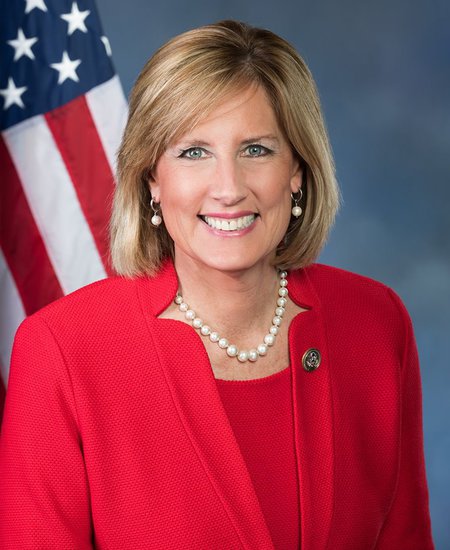
Rep. Claudia Tenney
Sponsored bills
Maddy summaryThis bill amends the Law Enforcement Officers Safety Act (LEOSA) to expand where current and retired law enforcement officers can carry concealed firearms. It specifically allows qualified officers to carry in Federal facilities like post offices and courthouses (previously restricted), clarifies they may carry on public property and transportation, and updates firearms training requirements to accept certification from any state-certified instructor. The key change requires officers to meet recent firearms training standards (using flexible state-based criteria), rather than relying solely on their former agency's standards. This directly affects retired officers seeking to carry in more public spaces and federal buildings without needing prior agency certification.
Maddy summaryHRES 1213 is a non-binding House resolution condemning calls to defund police as contributing to increased violence against law enforcement officers. It urges better resources, training, and equipment for officers, calls for improved data collection on officer assaults and injuries, and acknowledges the mental health challenges officers face. The resolution expresses condolences to families of officers killed in the line of duty, citing 2021 as the deadliest year (586 deaths) and 2023 as having 137 officer deaths. It does not create new laws or allocate funds, serving as a symbolic statement of congressional support.
Maddy summaryHR 8459, the Stopping Traffickers and Their Accomplices Act of 2024, requires abortion providers to notify the National Human Trafficking Hotline within 24 hours if they reasonably suspect a patient is a trafficking victim. It mandates annual staff training on identifying trafficking victims and submitting certification of training completion. Violations carry penalties: $10,000 per failure to report or $1,000 per day for training noncompliance. The bill directly affects abortion providers and facilities, imposing new reporting obligations without creating a right to abortion or requiring victims to self-report. State attorneys general may also sue providers for violations.
Maddy summaryThe Protect Our Police Act turns Executive Order 13809 into permanent law, ensuring state, tribal, and local law enforcement agencies maintain access to life-saving equipment and resources. It prohibits the President from reversing this access through new executive orders or creating similar policies. Any changes to this access would require a new law passed by Congress, not executive action. This directly affects law enforcement agencies by guaranteeing their ongoing access to critical resources without future executive interference.
Maddy summaryThis bill requires immigration authorities to detain and deport non-citizens who assault law enforcement officers while on duty or because of their officer status. It amends immigration law to mandate detention for individuals already inadmissible under certain immigration categories who commit assaults against officers during official duties. The Secretary of Homeland Security must issue a detainer and take custody if the person isn't already detained by authorities. The bill defines "assault" by local law and includes firefighters and first responders as protected "law enforcement officers."
Maddy summaryThis bill requires Medicare to pay separately for certain high-cost diagnostic drugs used in nuclear imaging (like those for cancer detection) starting in 2024. It applies to drugs with a daily cost of $500 or more (adjusted annually), ensuring they are not bundled with other services. Payments will be based on either the drug's average sales price or wholesale cost, with adjustments to keep overall Medicare spending unchanged. This directly affects Medicare Part B providers (hospitals, clinics) and beneficiaries receiving these specific diagnostic treatments.
Maddy summaryHRES 1210 is a non-binding House resolution condemning the Biden administration's border policies as the cause of a crisis that burdens law enforcement. It claims these policies led to record illegal border crossings, security threats (including encounters with individuals on terrorist watch lists), and increased crime involving migrants, citing specific incidents like assaults on officers and violent crimes. The resolution urges the administration and local officials to support law enforcement and recognizes the mental, physical, and psychological stress faced by officers. As a symbolic resolution, it does not enact legal changes but expresses the House's position on border policy.
Maddy summaryThis bill authorizes Congress to award President Donald J. Trump a Congressional Gold Medal in recognition of his foreign policy achievements during his presidency. It specifically cites his 2019 DMZ meeting with North Korea's leader, the 2020 Abraham Accords normalizing Middle East relations, and his claim of no new wars started during his term. The bill directs the Treasury Secretary to design and strike the medal, with proceeds from bronze duplicates sold to the public covering production costs. It does not create new laws or affect public policy - it is a ceremonial honor for a former president.
Maddy summaryThis bill prohibits 501(c)(3) nonprofits from providing direct or indirect funding (including subsidies or in-kind support) to election organizations, such as state/local government election bodies. It also bans the District of Columbia from accepting private funds for election administration, including voter education, outreach, or registration programs. Both provisions take effect in 2025, with exceptions allowing houses of worship or community centers to serve as polling places. The bill directly affects 501(c)(3) organizations and DC election officials by restricting certain funding sources for election-related activities. It amends the Internal Revenue Code and the Help America Vote Act without altering polling place rules.