

Maddy summaryHR 7438 directs the U.S. Treasury to mint commemorative coins for the 2026 FIFA World Cup, including 100,000 $5 gold coins, 500,000 $1 silver coins, and 750,000 half-dollar coins. The coins will be sold to the public at face value plus surcharges ($35, $10, and $5 per coin, respectively), with all surcharge revenue paid to FWC2026 US, Inc. for U.S. soccer programs. These funds must support soccer initiatives, particularly in underserved communities and youth development, as specified in the bill. The coins are legal tender but will only be issued during 2026, with no net cost to the U.S. government.
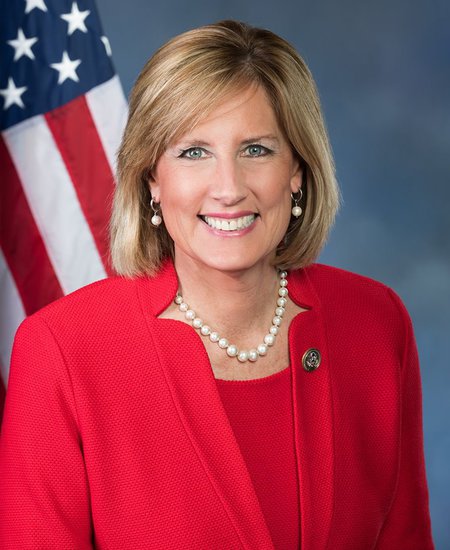
Rep. Claudia Tenney
Sponsored bills
Maddy summaryThis bill reinstates a pre-American Rescue Plan Act (ARP) tax reporting rule for gig economy platforms. It requires third-party payment platforms (like Uber or DoorDash) to report transactions to the IRS only if a gig worker earns over $20,000 in total or completes more than 200 transactions in a year. This directly affects gig workers whose income falls below these thresholds, exempting them from the reporting requirement. The provision effectively reverses a change made by the ARP, reducing administrative burden for both platforms and lower-earning gig workers. The bill amends IRS Code Section 6050W to restore these specific de minimis payment thresholds.
Maddy summaryHR 10299, the Medicaid Funds Integrity Act of 2024, amends federal Medicaid law to prohibit using federal funds for gun violence prevention or intervention programs. Specifically, it adds a new provision (paragraph 28) to Section 1903(i) of the Social Security Act, blocking federal financial participation for such programs under Medicaid. This directly affects state Medicaid programs that might have sought federal funding for initiatives addressing gun violence. The bill creates a concrete funding restriction, ensuring Medicaid dollars cannot be spent on these specific types of programs.
Maddy summaryHR 10300, the Chevron Re-Review Act, establishes a new process for Congress to review and disapprove federal agency rules that relied on Chevron deference (the legal doctrine where courts defer to agency interpretations of ambiguous laws). The bill requires agencies to provide Congress with specific information about such rules - including cost-benefit analyses and litigation history - within 30 days of a disapproval resolution's introduction. If Congress passes a joint resolution disapproving a rule, the rule is treated as if it never took effect. This procedural bill directly affects agencies and Congress, applying only to rules explicitly based on Chevron deference or upheld by courts using that doctrine.
Maddy summaryHR 6751 authorizes the U.S. Mint to produce commemorative coins honoring Roberto Clemente, a Hall of Fame baseball player and humanitarian, including 50,000 $5 gold coins, 400,000 $1 silver coins, and 750,000 half-dollar coins. The coins must feature Clemente's image and inscriptions like "Roberto Clemente" and "2027," with all sales including a surcharge ($5-$35 per coin) paid to the Roberto Clemente Foundation. The foundation, which supports youth sports, education, and disaster relief programs, will use these funds for its mission, while the U.S. Treasury must recover all production costs. The coins will be sold exclusively in 2027, with no net cost to the government.
Maddy summaryThis bill provides tax relief for U.S. nationals wrongfully detained or held hostage abroad by ignoring the time spent detained when calculating tax penalties, interest, and collection deadlines. It requires the State Department and Attorney General to identify affected individuals by 2025, enabling Treasury to refund penalties paid during detention periods. The bill also revokes tax-exempt status for organizations providing material support to terrorist groups, with a 90-day cure period before designation. These provisions apply to tax years ending after enactment for hostages and future designations for terrorist-supporting organizations.
Maddy summaryHR 10265 establishes the Department of Homeland Security Northern Border Mission Center within one year of enactment. The Center will be located near existing U.S. Border Patrol, Coast Guard, and Air and Marine Operations facilities along the U.S.-Canada border and Alaska-Russia maritime border. It will coordinate DHS components (like CBP and ICE-HSI), support training, test border security technology, and address resource challenges for northern border operations. The Center must report annually to Congress and will sunset on October 1, 2027, with no new funding authorized.
Maddy summaryHRES 609 is a House resolution expressing opposition to New York City's proposed Central Business District Tolling Program, which would charge drivers up to $23 daily to enter Manhattan south of 60th Street. The resolution highlights that this fee could cost daily commuters about $5,000 annually and disproportionately burden small businesses (still recovering from pandemic lockdowns), low-income families, and students. It disapproves of the program, calls for a public economic impact report, and urges federal and state authorities to halt its implementation. The resolution notes the program is intended to generate $1 billion yearly for the MTA’s capital projects and operations, following the agency’s $690 million 2022 revenue loss.
Maddy summaryThis bill renames U.S. Route 20 across 12 states (Oregon, Idaho, Montana, Wyoming, Nebraska, Iowa, Illinois, Indiana, Ohio, Pennsylvania, New York, and Massachusetts) as the "National Medal of Honor Highway." It directly affects the highway itself and all official U.S. government references to it, such as maps and documents. The key provision requires that any federal law, record, or document mentioning this highway must now use its new name to honor Medal of Honor recipients' service and valor. The bill makes no changes to highway operations, funding, or policy - only to the official designation.
Maddy summaryThe Working Dog Commemorative Coin Act (HR 807) directs the U.S. Treasury to mint three types of commemorative coins honoring working dogs' service: $5 gold coins, $1 silver coins, and half-dollar coins with specific weight and composition requirements. Each coin will carry a surcharge ($35 for $5 coins, $10 for $1 coins, $5 for half-dollars) that will be paid directly to America's VetDogs to support their programs providing service dogs for veterans, the disabled, and others. The coins will be issued in 2027 with designs reflecting working dogs' roles in military, detection, therapy, and assistance work. The legislation specifies that all surcharge revenue must fund America's VetDogs' operations without creating new government programs. This is a commemorative measure focused on honoring working dogs' contributions through coin sales, with all surcharge funds going to a specific nonprofit organization.