

Maddy summaryHR 5193, the Senior Citizens’ Freedom to Work Act of 2023, repeals the Social Security Retirement Earnings Test. This means seniors receiving Social Security benefits who continue working will no longer have their benefits reduced based on their earnings. The bill removes specific provisions in the Social Security Act that previously deducted benefits for individuals under full retirement age who earned above a set limit. The change applies to taxable years ending after December 31, 2023, directly affecting working seniors who previously faced benefit reductions.
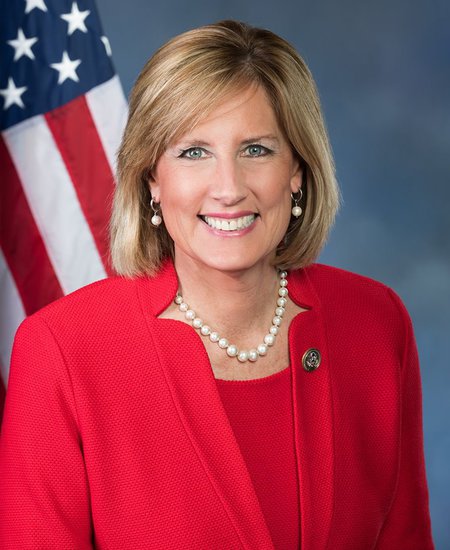
Rep. Claudia Tenney
Sponsored bills
Maddy summaryThis bill simplifies participation in Medicare's Accountable Care Organization (ACO) program by removing distinctions between small and large ACOs and eliminating the requirement for new ACOs to assume financial risk for three years before joining shared savings models. It creates a new "100% shared savings" option where ACOs keep all savings from cost reductions but bear full financial responsibility for losses. The bill also mandates clearer, transparent benchmark calculations for ACO performance, establishes appeal processes for disputed benchmarks, and requires technical assistance for rural and underserved providers. These changes directly affect Medicare ACOs, particularly smaller or newer organizations in rural or safety-net settings, aiming to make value-based care participation more accessible.
Maddy summaryThis bill amends Medicare rules to improve access to home infusion therapy, which delivers IV medications at home for conditions like chronic diseases. It adds pharmacy services (including drug preparation and compounding) to covered Medicare benefits and creates a payment rule: if a supplier isn't physically present during therapy, Medicare pays 50% of the full rate instead of denying payment. It also allows nurse practitioners and physician assistants to establish and review home infusion care plans, previously limited to physicians. These changes, effective January 2024, directly affect Medicare beneficiaries requiring home infusion therapy and providers delivering these services.
Maddy summaryHR 3611, the Kazakhstan Permanent Normal Trade Relations Act of 2023, makes Kazakhstan's existing "normal trade relations" (NTR) status permanent by removing the need for annual U.S. presidential reviews under the Trade Act of 1974. This bill directly affects U.S. trade policy with Kazakhstan, ending the requirement for the President to annually determine whether Kazakhstan meets emigration freedom standards (which it has satisfied since 1997). The key provision allows the President to formally extend permanent NTR treatment to Kazakhstan's products, eliminating the current annual review process. Once enacted, Kazakhstan would automatically receive the same most-favored-nation tariff rates as other NTR countries, streamlining trade without further congressional action.
Maddy summaryHR 3417, the FAIR Act, requires hospitals with off-campus outpatient departments (OCODs) to use separate unique health identifiers for those departments by January 1, 2025. It mandates that these departments bill Medicare and other insurers using specific formats (HIPAA X12 837P or CMS 1500) with their unique identifier, rather than billing under individual practitioners. This directly affects hospitals operating OCODs, changing how they submit claims for services provided at those locations. The bill takes effect for claims submitted on or after January 1, 2025, ensuring clearer billing accountability for these departments.
Maddy summaryHR 3423, the SAVE Act, defines "common name" for agricultural products (like "Cheddar" for cheese or "Merlot" for wine) as a term routinely used on packaging, consistent with international standards. It requires the Agriculture Secretary and U.S. Trade Representative to negotiate agreements with foreign countries to protect U.S. producers' right to use these common names in international markets. The bill directly affects U.S. agricultural exporters, processors, and producers who rely on familiar product names. It mandates biennial reports to Congress on these trade efforts, focusing on preserving market access for U.S. goods using common names.
Maddy summaryThis bill prohibits federal funding for gender transition procedures - including hormone therapy, puberty blockers, and surgeries like genital reassignment - across all federal programs and health plans. It exempts procedures for medical conditions (such as disorders of sex development) and treatment of complications arising from such procedures. The bill also blocks Affordable Care Act premium tax credits and cost-sharing reductions for health plans covering these services, though individuals may purchase separate non-federal-funded coverage. State and private insurers can still offer such coverage using their own funds, but federal subsidies cannot be applied to it.
Maddy summaryThis bill changes tax rules to treat direct primary care (DPC) membership fees as deductible medical expenses. It defines DPC as a fixed monthly fee (capped at $150 per person, $300 for families) for primary care services only, excluding procedures requiring anesthesia, prescription drugs (except vaccines), or lab tests. The law ensures these fees can be claimed on tax returns like other medical costs, while clarifying DPC arrangements aren’t considered health insurance plans. It applies to fees paid for DPC services provided through employment or directly to patients, effective for 2024 tax years.
Maddy summaryHR 3033, the Solidify Iran Sanctions Act of 2023, repeals the expiration date (sunset) from the 1996 Iran Sanctions Act. This permanently maintains existing U.S. sanctions targeting Iran's weapons programs, ballistic missile development, and support for terrorism. The bill directly affects Iran's government and entities involved in these activities by ensuring sanctions remain in effect without needing periodic renewal. It does not impose new sanctions but preserves current policy by removing the automatic expiration provision.
Maddy summaryThis bill regulates pharmacy benefit managers (PBMs) working with Medicare Part D prescription drug plans. It prohibits PBMs from earning income based on drug prices or rebates (requiring flat fees instead), mandates equal reimbursement for all network pharmacies, and requires PBMs to report how much of drug rebates they pass through to Medicare plans. The law also mandates annual compliance certifications and requires the government to publish aggregated transparency data (without revealing specific plan details) starting in 2024. These changes directly affect Medicare Part D plans and the seniors who rely on them for prescription drug coverage.