

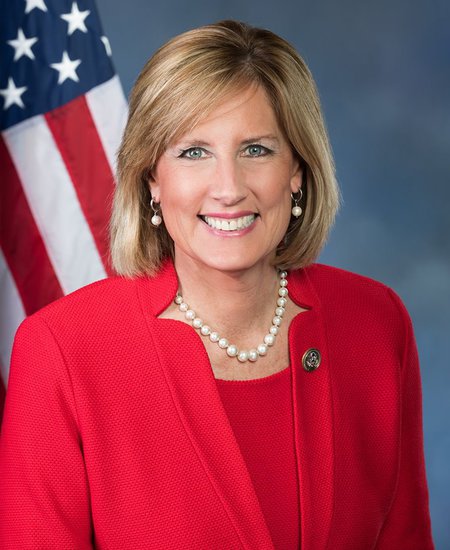
Photo of Claudia Tenney
R United States House · District 24 · New York On the 2026 ballot

Rep. Claudia Tenney

Compare
Total votes
2,811
all sessions
Attendance
99%
20 missed
Higher than 78% of chamber peers
With party
95%
of cast votes
Higher than 90% of chamber peers
Bipartisan score
3%
crosses aisle rarely
Lower than 91% of chamber peers
Sponsored
1,793
bills & resolutions
Higher than 94% of chamber peers
Committees
8
assignments
1,793 bills and resolutions

Sponsored bills

Total
1,793
Primary
194
Co-sponsor
1,599
This page
1,793
matching current filters
Primary HR 199
In committee · United States House · Lead sponsor
Implementing DOGE Act

Maddy summaryThis bill requires automatic, across-the-board spending cuts to nonsecurity federal programs for fiscal years 2026 and beyond. It targets nonsecurity discretionary spending (like education, transportation, and environmental programs) by rescinding the percentage of growth above 1% compared to the previous year's funding. The cuts apply proportionally to all nonsecurity programs after appropriations are made available for the fiscal year (by September 30). Security-related spending (such as defense) is excluded from these reductions.

In committee Jan 3, 2025 0 co-sponsors
Co-sponsor HR 54
In committee · United States House · Co-sponsor
WHO Withdrawal Act

Maddy summaryHR 54, the WHO Withdrawal Act, directs the U.S. President to withdraw the United States from the World Health Organization (WHO) Constitution upon enactment and prohibits all federal funding for U.S. participation in the WHO or any successor organization. The bill repeals the 1948 law that established U.S. membership and funding for WHO participation. This legislation directly affects all federal departments and agencies that handle international health funding and diplomatic engagement, ending U.S. financial and legal ties to the WHO.

In committee Jan 3, 2025 1 co-sponsor
Co-sponsor HR 24
In committee · United States House · Co-sponsor
Federal Reserve Transparency Act of 2025

Maddy summaryHR 24, the Federal Reserve Transparency Act of 2025, mandates a comprehensive audit of the Federal Reserve Board and Federal Reserve banks by the Government Accountability Office (GAO) within 12 months of enactment. The bill requires the GAO to submit a detailed report to Congress within 90 days of completing the audit, including findings, conclusions, and recommendations for legislative or administrative action. This audit replaces current limitations on reviewing Federal Reserve operations, particularly regarding entities like special purpose vehicles not previously subject to standard audits. The bill directly affects the Federal Reserve System by increasing congressional oversight of its financial activities and reporting mechanisms.

In committee Jan 3, 2025 1 co-sponsor
Primary HR 201
In committee · United States House · Lead sponsor
Federal Employee Performance and Accountability Act of 2025

Maddy summaryHR 201, the Federal Employee Performance and Accountability Act of 2025, establishes a 5-year pilot program for federal employees in specific roles (such as managers, IT specialists, or customer service representatives at GS-11 through GS-15 levels or higher). The bill requires participating agencies to implement a performance-based pay system measuring productivity, quality, and timeliness, with tiered pay adjustments: employees exceeding goals may receive up to a 10% pay increase (Tier 1), those meeting goals see no change (Tier 2), and those below goals face a 10% pay reduction plus training (Tier 3). Agencies must provide training and submit annual reports on productivity outcomes, using existing funds without new appropriations. The program excludes employees from other Title 5 pay adjustments and allows agencies to opt out for national security reasons.

In committee Jan 3, 2025 0 co-sponsors
Co-sponsor HR 31
In committee · United States House · Co-sponsor
POLICE Act of 2025

Maddy summaryThis bill adds a new deportation ground for non-citizens convicted of assaulting a law enforcement officer under specific circumstances. It makes deportation mandatory if the assault occurred: (1) while the officer was performing duties, (2) because of their duties, or (3) due to their status as an officer. The bill also requires the Department of Homeland Security to annually report the number of deportations under this provision. It directly affects non-citizens convicted of such assaults, not U.S. citizens or law enforcement personnel.

In committee Jan 3, 2025 1 co-sponsor
Co-sponsor HR 32
In committee · United States House · Co-sponsor
No Bailout for Sanctuary Cities Act

Maddy summaryThis bill denies federal funds to states or localities (sanctuary jurisdictions) that restrict sharing immigration status information or refuse to comply with federal detainer requests under specific circumstances. It specifically blocks funding intended for services like food, shelter, healthcare, legal aid, or transportation for undocumented immigrants. The funding cutoff begins 60 days after enactment or the next fiscal year start. An exception applies if a jurisdiction cooperates when an undocumented immigrant is a crime victim or witness.

In committee Jan 3, 2025 1 co-sponsor
Co-sponsor HR 174
In committee · United States House · Co-sponsor
Consequences for Social Security Fraud Act

Maddy summaryHR 174 adds new grounds for inadmissibility and deportability related to specific fraud offenses. It targets non-citizens convicted of, or admitting to, Social Security fraud (using false account numbers/cards), identification document fraud, or fraud involving pandemic-era loans or grants (like those under the Small Business Act or American Rescue Plan). The bill amends immigration law to make such individuals ineligible for entry into the U.S. or subject to removal. It directly affects non-citizens who commit these defined offenses, not general fraud cases. The policy change is limited to these specific fraud categories tied to federal pandemic programs and Social Security/ID documents.

In committee Jan 3, 2025 1 co-sponsor
Primary HR 198
In committee · United States House · Lead sponsor
SERVE Our Communities Act

Maddy summaryThe SERVE Our Communities Act (HR 198) creates a federal grant program providing $10 million annually from 2026-2031 to states and local governments that meet specific crime prevention criteria. To qualify, jurisdictions must require courts to consider public safety risks when setting bail or pretrial release (Section 2(b)(1)) and must have implemented one of three actions in the prior year: enacted bail reform, increased law enforcement staffing, or run public safety education programs (Section 2(b)(2)). Grant funds can only be used for evidence-based reentry and violence prevention programs under the Second Chance Act (Section 2(c)). The bill directly affects state and local governments by tying federal funding to specific bail reform and community safety measures, aiming to reduce repeat violent offenses through systemic changes.

In committee Jan 3, 2025 0 co-sponsors
Co-sponsor HR 137
In committee · United States House · Co-sponsor
TCJA Permanency Act

Maddy summaryHR 137, the TCJA Permanency Act, makes permanent many tax provisions from the 2017 Tax Cuts and Jobs Act. It permanently increases the standard deduction for individual taxpayers, modifies income tax brackets, and makes permanent the child tax credit increase. The bill also permanently limits deductions for state and local taxes, mortgage interest, and miscellaneous itemized deductions. These changes affect most individual taxpayers who file federal income tax returns.

In committee Jan 3, 2025 1 co-sponsor
Co-sponsor HR 45
In committee · United States House · Co-sponsor
FIND Act

Maddy summaryHR 45 (FIND Act) requires federal government contractors to certify they do not discriminate against firearm businesses (including manufacturers, dealers, and trade associations) in their policies or practices. The bill mandates that contractors and subcontractors (for contracts over 10% of the prime contract value) certify they have no discriminatory policies and will not adopt them during the contract term. Violations could lead to contract termination and potential debarment. This applies to all federal procurement contracts awarded after the bill's enactment, excluding sole-source contracts. The law aims to ensure firearm businesses are treated equally in government contracting without restricting legitimate business criteria like creditworthiness or legal compliance.

In committee Jan 3, 2025 1 co-sponsor
Showing 691 to 700 of 1,793 bills
Previous 1 … 69 70 71 … 180 Next