

Maddy summaryHJRES 28 proposes a constitutional amendment to permanently fix the number of justices on the U.S. Supreme Court at nine. This would require ratification by 38 state legislatures (three-fourths of states) within seven years to become part of the Constitution. The amendment directly affects the structure of the Supreme Court, which has had nine justices since 1869 but could otherwise be altered by future congressional action. It does not change current court operations or create new laws, but instead seeks to make the nine-justice composition a permanent constitutional requirement.
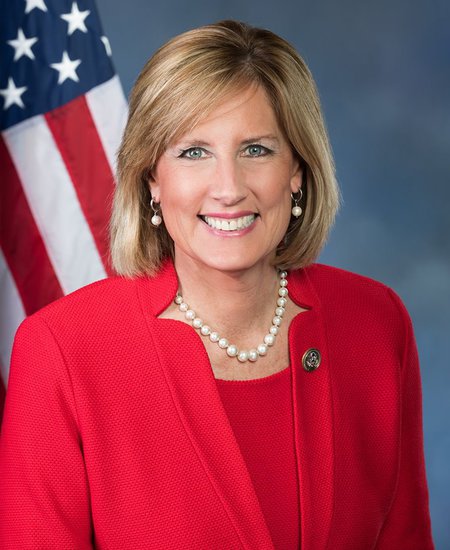
Rep. Claudia Tenney
Sponsored bills
Maddy summaryHRES 56 is a non-binding resolution proposing to memorialize unborn children by encouraging the public to lower the U.S. flag to half-staff on January 22 each year. It cites the anniversary of Roe v. Wade's 1973 ruling and the 2022 overturning of that decision, referencing the claim that over 62 million unborn children have "perished" since 1973. The resolution specifically urges the public to observe this day as the "Day of Tears," encourages flag lowering to "mourn and honor" those affected, and promotes legislative efforts to "affirm the sanctity of life" regarding abortion. As a symbolic gesture, it does not create new law but seeks to influence public observance. The resolution was introduced by multiple House members and referred to the Oversight Committee.
Maddy summaryHR 636, the Pregnancy Resource Center Defense Act, strengthens legal protections for facilities offering abortion alternatives and religious worship spaces. It increases criminal penalties for attacks on these locations (up to 3 years imprisonment for first offenses) and raises civil penalties to $20,000 per violation for attacks on such facilities. The bill also expands property destruction penalties when buildings involved are specifically designated pregnancy resource centers or places of worship. These changes apply to offenses involving nonviolent physical obstruction, with higher fines for first violations.
Maddy summaryThe RIFLE Act of 2025 amends federal firearm licensing laws to create a more structured process for addressing violations by licensed firearm businesses. It establishes graduated penalties for violations, with non-willful violations requiring notification and a reasonable timeframe to correct, while willful violations could lead to license suspension (up to 30 days for first-time offenders) or revocation. The bill adds procedural protections including written notice requirements, administrative hearings with due process, and a 90-day period to liquidate inventory after license expiration or revocation. It also requires the Attorney General to reconsider denied applications from former licensees and reverse certain past license revocations made under specific ATF orders. The bill aims to balance enforcement with due process for firearm licensees while maintaining public safety standards.
Maddy summaryThis bill amends the legal definition of "firearm silencer" and "firearm muffler" under federal law. It clarifies that these terms include any device designed to reduce firearm noise, as well as the outer tube or primary housing component that serves as the main structure for noise-reduction parts. The definition specifically covers devices intended to attach to a firearm (directly or via mounts) and excludes other firearms. This change affects how silencers are legally categorized under federal regulations, not who can own them. It does not create new restrictions but refines the scope of existing definitions.
Maddy summaryHR 640, the Chemical Tax Repeal Act, eliminates excise taxes on specific chemicals previously levied under Internal Revenue Code Chapter 38. It directly affects chemical manufacturers and distributors who paid these taxes on certain substances. The bill repeals the relevant tax provisions by amending the Internal Revenue Code, removing subchapters B and C of Chapter 38. This change takes effect on January 1, 2024, ending the tax requirement for covered chemicals.
Maddy summaryThe Protecting First Responders from Secondary Exposure Act of 2025 requires federal funding to provide training and containment devices for first responders, specifically to prevent exposure to fentanyl and other dangerous substances during emergencies. This bill directly affects police, firefighters, and emergency medical personnel who face accidental exposure risks while responding to drug-related incidents. The key provision amends existing federal law to mandate both training resources and the purchase of specialized containment equipment for first responder use. The policy change aims to reduce health risks from secondary exposure without altering drug enforcement or criminal law.
Beaches Environmental Assessment and Coastal Health Act of 2025 or the BEACH Act of 2025 This bill reauthorizes through FY2029 and expands an existing program of the Environmental Protection Agency (EPA) that awards grants to states and local governments to (1) monitor the water quality of coastal recreational waters adjacent to beaches or similar points of access that are used by the public; and (2) notify the public, local governments, and the EPA when the water is not safe for recreational activities. Specifically, the bill expands the program to allow the EPA to award grants for identifying sources of contamination (i.e., pathogens) for coastal recreation waters. It also allows grants to be used for monitoring and notification of contamination in (1) shallow waters upstream from recreational waters, and (2) recreational waters on beaches.
Maddy summaryHR 7 prohibits federal funds from being used for abortions or health insurance plans covering abortion, with exceptions for pregnancies resulting from rape, incest, or when a woman's life is endangered. It blocks federal premium tax credits under the Affordable Care Act for health plans covering abortion (except in specified cases) and requires clear disclosure of abortion coverage and related surcharges in plan materials. The bill allows individuals or employers to purchase separate abortion coverage using non-federal funds, such as out-of-pocket payments, without affecting federal subsidies. It directly affects federal health programs, ACA marketplace plans, and health insurance issuers offering coverage that includes abortion services.
Maddy summaryHR 592, the Protecting School Milk Choices Act of 2025, requires schools participating in the National School Lunch Program to offer both flavored and unflavored milk to students. It mandates that schools must provide these options (replacing previous flexibility), while allowing schools to optionally offer lactose-free milk. This directly affects all public and nonprofit schools serving meals under the federal lunch program. The bill changes the current requirement by making flavored milk a mandatory offering, ensuring students have access to both types of milk.