

Maddy summaryHRES 57 is a symbolic resolution recognizing natural gas as an affordable and "green" energy source. It states that U.S. natural gas production benefits the economy and environment, citing reduced emissions data and LNG export statistics. The resolution does not change laws or funding but formally declares support for expanding domestic natural gas production and infrastructure. It specifically references opposing methane emission fees and aligns with EU energy policies that classify natural gas as "green." This resolution has no binding effect on policy or regulation.
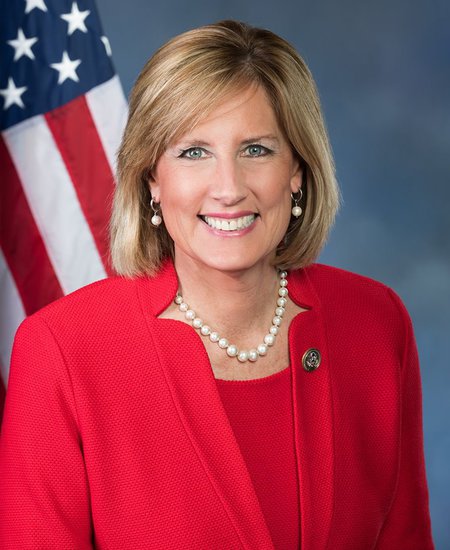
Rep. Claudia Tenney
Sponsored bills
Maddy summaryThe MERIT Act of 2025 makes significant changes to federal personnel management by repealing Chapter 43 performance-based actions and modifying procedures for disciplinary actions, furloughs, and bonus recoupment. It extends probationary periods for senior executives (to 2 years) and competitive service employees (to 2 years), establishes new rules for reducing retirement benefits of employees convicted of felonies related to their federal service, and creates standardized procedures for adverse actions including written notice requirements and response periods. The bill also allows agencies to recoup bonuses for misconduct and modifies procedures for handling furloughs of more than 14 days. These changes apply to all federal employees across government agencies and aim to clarify and streamline personnel management processes.
Maddy summaryThis bill expands the tax deduction for qualified business income to include interest dividends from certain business development companies (BDCs), aligning them with the existing treatment for real estate investment trust (REIT) dividends. It specifically adds "qualified BDC interest dividends" to the list of eligible income under Section 199A of the tax code, allowing investors in qualifying BDCs to deduct 20% of these dividends. The change applies to taxable years beginning after December 31, 2026, and directly affects investors in BDCs that meet specific criteria as regulated investment companies. This policy modifies tax eligibility without altering the deduction rate or creating new tax obligations.
Maddy summaryHR 685, the SAVE Moms and Babies Act of 2025, prohibits the FDA from approving new abortion drugs or allowing investigational use of existing ones. It restricts existing abortion drugs to in-person administration by certified healthcare providers in clinics or hospitals (not pharmacies), limits use to pregnancies under 70 days gestation, and requires providers to certify they can handle complications like severe bleeding or ectopic pregnancies. The bill mandates reporting of adverse events (such as hospitalizations or infections) to the FDA without patient identifiers and defines "abortion drug" broadly as any drug intended to terminate pregnancy, excluding specific medical exceptions. This directly affects FDA approval processes, healthcare providers prescribing these drugs, and drug manufacturers.
Maddy summaryHR 645, the National Constitutional Carry Act, would prevent all U.S. states and localities from requiring permits or imposing penalties for carrying firearms in public. It directly affects eligible U.S. citizens (including non-residents) who legally possess firearms under state and federal law, removing current permit requirements for public carry. The bill’s key provision amends federal law to invalidate any state or local law that criminalizes or discourages public firearm carry, except where private property owners clearly prohibit firearms or security screening occurs. This would override existing state permit laws, making permitless carry legal across all states and territories for qualified individuals.
Maddy summaryHR 703, the Main Street Tax Certainty Act, makes a key tax deduction permanent for small business owners. It removes the temporary sunset provision (subsection (i)) from Section 199A of the tax code, ensuring the qualified business income deduction remains available for eligible small businesses. This change directly affects pass-through business owners (like S-corps, partnerships, and sole proprietorships) who currently qualify for this deduction. The permanent change takes effect for tax years starting after December 31, 2025.
Maddy summaryHR 682, the Heartbeat Protection Act of 2025, prohibits physicians from performing abortions without first checking for a detectable fetal heartbeat according to standard medical practice and informing the patient of the results. It directly affects physicians and clinics performing abortions, requiring them to document heartbeat checks and comply with strict exceptions for life-threatening conditions, rape (with 48-hour documentation of counseling/treatment), or incest involving minors (with proof of prior report to authorities). Violations could result in fines or up to five years in prison, though the bill explicitly states it does not create or recognize a right to abortion. The law adds detailed documentation requirements for exceptions and mandates retention of medical records per federal health privacy rules.
Maddy summaryHR 662 amends the tax code to change how oil and gas companies calculate taxable income related to intangible drilling and development costs. It allows companies to disregard certain depreciation and depletion expenses recorded on their financial statements when computing taxable income, effectively reducing their tax burden on these specific costs. The bill directly affects oil and gas producers who use intangible drilling costs in their operations. The changes apply to taxable years beginning after December 31, 2025. This is a tax code adjustment, not a direct policy change for energy production.
Maddy summaryHR 711 (FAIR Act of 2025) prohibits federal agencies, contractors, and entities receiving federal funds from discriminating based on race, color, or national origin in federal contracts, employment, or federally funded programs. It specifically bans policies like racial quotas, set-asides, or numerical goals that grant preferences to any group. The law applies to all federal departments, contractors, and state/private recipients of federal aid, requiring them to eliminate such practices within six months of enactment. It does not affect immigration laws or existing contracts or ongoing legal cases.
Maddy summaryHR 648, the Strengthening our Servicemembers with Milk Act, requires the Secretary of Defense to provide a variety of milk options - including unflavored, organic, lactose-free, and different fat levels - to all members of the Armed Forces at military dining facilities. The bill mandates that installations offer these choices to support servicemember nutrition and dietary needs. It also prohibits purchasing milk from entities owned or controlled by foreign adversaries, as defined by Commerce Department regulations. This policy directly affects military personnel dining at on-base facilities nationwide.