

Maddy summaryThe ASSIST Act of 2025 amends the VA’s definition of medical services to explicitly include medically necessary automobile adaptations for veterans. It directly affects veterans with mobility needs who require modifications like ramps, wheelchair lifts, raised doors, or accessibility features to safely operate vehicles. The bill adds these specific adaptations - such as ingress/egress modifications and non-articulating trailers - to the list of VA-covered medical services under Title 38. This change ensures veterans can access these transportation aids without additional administrative hurdles, streamlining coverage for essential mobility support.
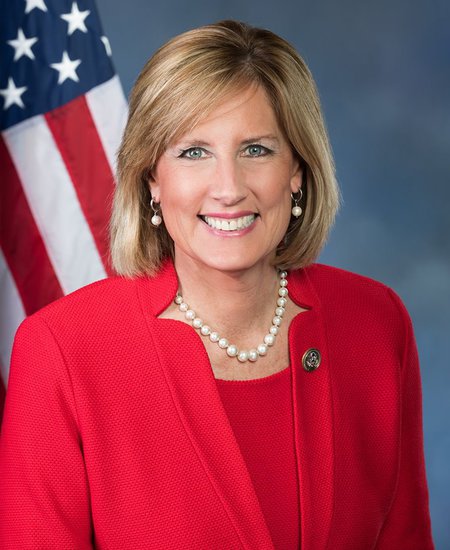
Rep. Claudia Tenney
Sponsored bills
Maddy summaryHR 3501 would require Medicare providers to screen beneficiaries aged 65 and older for cognitive impairment during annual wellness visits and initial preventive physical exams, using tools approved by the National Institute on Aging. The screening must be documented in the patient’s medical record. This change applies to visits starting January 1, 2026, and aims to support early detection of conditions like Alzheimer’s through standard preventive care. The bill directly affects Medicare beneficiaries, providers, and caregivers by integrating cognitive screening into routine preventive services.
Maddy summaryHR 3443 creates a new Medicare payment model to provide supplemental funding for ground and air ambulance services that administer specific life-saving medications (like epinephrine, lidocaine, and blood products) during emergencies. It directly affects EMS agencies serving Medicare beneficiaries by requiring them to apply for participation, meet data reporting standards (including patient outcomes and service metrics), and receive monthly or quarterly supplemental payments based on costs for maintaining medication supplies and data systems. The model runs for at least 5 years, with a requirement for a congressional report analyzing whether the payments improve medication access, patient outcomes, and care quality - especially for rural and underserved communities. The bill also mandates a MedPAC report on EMS payment structures and EMTALA guidance to reduce "wall time" delays in hospital handoffs.
Maddy summaryHRES 411 is a non-binding resolution expressing the House of Representatives' support for strengthening U.S.-Israel defense cooperation. It reaffirms the U.S. commitment to Israel's security, calls for expanded collaboration on missile defense, cybersecurity, and emerging technologies (like AI and counter-unmanned aircraft systems), and urges maintaining Israel's military capabilities. The resolution references existing partnerships, such as joint development of Iron Dome and David’s Sling systems, but does not create new laws or funding. It serves as a symbolic endorsement of deeper security ties to address shared threats.
Maddy summaryHRES 352 is a non-binding House resolution calling on elected officials, faith leaders, and civil society leaders to condemn antisemitism and educate the public about Jewish American contributions to U.S. culture, innovation, and society. It specifically urges the executive branch and local leaders to uplift Jewish stories and ensure safety for Jewish Americans in public spaces, workplaces, and on campuses. The resolution references rising antisemitism since October 7, 2023, including reported increases in hate incidents and safety concerns among Jewish communities. It does not create new laws or allocate funds but serves as a formal statement urging existing leaders to take action through education and safety measures.
Maddy summaryThis bill would rename Gravelly Point Park in Arlington County, Virginia (located along the George Washington Memorial Parkway) to "Nancy Reagan Memorial Park." It directly affects the park's official name and all government references to it. The bill requires that any future law, map, regulation, or document citing "Gravelly Point Park" be updated to reflect the new name, "Nancy Reagan Memorial Park," for consistency. No other policy changes or effects are specified in the bill text.
Maddy summaryThis resolution formally censures Representative LaMonica McIver (D-NJ) for allegedly violating federal law by entering a secure immigration detention facility without authorization, assaulting federal law enforcement officers, and disrupting operations at the Delaney Hall Detention Center on May 9, 2025. The resolution requires Rep. McIver to appear in the House chamber for the public reading of the censure, mandates the Speaker to read the resolution publicly, and directs the House Ethics Committee to investigate for potential further disciplinary action. As a procedural resolution, it does not change laws or impose penalties but formally condemns her conduct under House rules. The censure specifically references body camera evidence and violations of 18 U.S.C. §111 (assaulting officers).
Maddy summaryThis resolution (HRES 406) removes specific House Members from designated standing committees. It directs the removal of Mrs. Watson Coleman from the Committee on Appropriations, Mr. Menendez from the Committee on Energy and Commerce, and Mrs. McIver from both the Committee on Homeland Security and the Committee on Small Business. The bill is a procedural change affecting committee assignments, not a law altering policies. It was referred to the Committee on Ethics for review. (Note: The resolution does not specify reasons for removal, only states the committee changes.)
Maddy summaryHRES 364 is a non-binding resolution urging local communities to support nonprofits that provide resources to Gold Shield Families. These families include relatives of fallen first responders - such as police officers, firefighters, EMTs, and emergency dispatchers - who died while serving in the line of duty. The resolution does not create new laws but encourages community engagement with existing support organizations. It aims to assist these families during their time of hardship and grief by promoting the use of available resources.
Maddy summaryThe CHEERS Act creates a new tax deduction for restaurants, bars, and entertainment venues that purchase energy-efficient draft beer equipment. It amends tax code Section 179D to treat stainless steel or aluminum draft containers and tap systems as "qualified energy-efficient property," allowing businesses to deduct these costs. The deduction applies only to equipment used specifically for distributing and selling alcohol in eligible venues, meeting existing energy efficiency standards. The provision takes effect for equipment placed in service after December 31, 2024.