

Maddy summaryThe Freeing Americans Detained Abroad Act requires the State Department to create a public website listing resources (like legal and medical assistance) for U.S. citizens detained or kidnapped overseas and their families. It mandates training for all overseas Foreign Service officers on identifying arbitrary detention cases, connecting families to aid, and coordinating with the Special Presidential Envoy for Hostage Affairs. Each diplomatic post must designate a "hostage affairs officer" to track cases, ensure monthly embassy meetings for detained citizens, provide legal/medical support, and manage a trust account for their needs. The bill also requires the State Department to report to Congress within 180 days on training completion, designated officers, and detention case numbers by country. This directly affects U.S. citizens held abroad and their families by standardizing and improving the government's response.
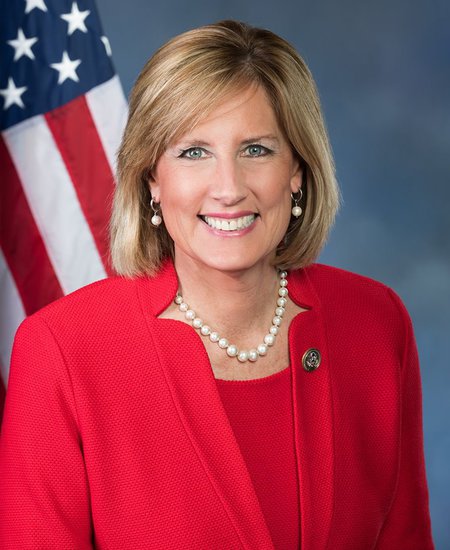
Rep. Claudia Tenney
Sponsored bills
End Zuckerbucks Act of 2023 This bill prohibits tax-exempt charitable organizations from providing direct funding to states or local governments for the administration of elections for public office.
Maddy summaryHR 4500, the Promoting Free and Fair Elections Act, restricts federal agencies from conducting or funding voter registration and mobilization activities. It nullifies Executive Order 14019 regarding voter access, prohibits agencies from using government funds to partner with nonprofits for voter registration (including on agency websites or property), and delays implementation of certain voter access programs until agencies submit required reports to Congress. The bill also bans voter registration activities in federal work-study programs under the Higher Education Act and mandates that agencies submit reports detailing existing voter registration plans within 30 days of enactment. These changes directly affect federal agencies and their use of public funds for election-related activities.
Maddy summaryThis bill requires voters in Washington, D.C., to present photo identification to vote in person or submit a copy with absentee applications, and to provide documentary proof of U.S. citizenship when registering to vote. Acceptable ID includes DC driver's licenses, passports, military IDs, tribal IDs, student IDs from schools, or the last four digits of a Social Security number. The bill mandates free ID issuance for low-income voters, accommodates religious objections with alternative IDs, and requires election officials to include voter photos in poll books while protecting privacy. It applies to all D.C. elections, including local, federal, and ballot initiatives, and modifies the Help America Vote Act to implement these changes.
Maddy summaryThis bill prohibits the District of Columbia from using ranked choice voting in any District election, including elections for local or federal office and ballot initiatives. It amends the Help America Vote Act of 2002 to add a new provision explicitly banning ranked choice voting systems in DC elections. The law applies to all elections held within the District, preventing voters from ranking candidates in order of preference. This is a procedural change to federal election law, not a new voting system or policy affecting voters directly.
Red Light Act This bill directs the Department of Transportation to withhold all of a state's share of certain federal highway funds (specifically, funds for the National Highway Performance Program, the Highway Safety Improvement Program, and the Congestion Mitigation and Air Quality Improvement Program) in FY2023 and thereafter if such state enacts a law to provide driver's licenses or other identification cards to aliens who are unlawfully present in the United States.
Permanent CFC Look-Through Act of 2023 This rule makes permanent the look-through rule for related controlled foreign corporations (CFCs). That rule provides that dividends, interest, rents and royalties one CFC receives from a related CFC are not treated as foreign personal holding company income (thus permitting the deferral of tax on such income).
Maddy summaryThis bill amends the Acer Access and Development Program under the Agricultural Act of 2014 to require the USDA Secretary to solicit input from maple industry stakeholders six months before each grant application cycle. It directly affects maple producers and industry groups by mandating their input on research and education priorities before funding decisions are made. The key provision establishes a formal consultation process for the program, ensuring stakeholder priorities inform grant allocations. The amendment also updates the program’s timeline, changing the reference from 2023 to 2028 for future grant cycles.
Maddy summaryThe SAFE Act of 2023 extends a 2018 law that prohibits slaughtering animals for human consumption to include horses, donkeys, and other equine animals, such as ponies. It amends Section 12515 of the Agriculture Improvement Act of 2018 by updating the language to replace "dog or cat" with "dog, cat, or equine" in both the section title and the main prohibition. This change directly affects the livestock industry and slaughter facilities by banning the processing of equines for food. The bill modifies existing law without adding new enforcement mechanisms, closing a gap in animal protection.
Maddy summaryHJRES 44 is a congressional resolution seeking to block a 2021 rule by the Bureau of Alcohol, Tobacco, Firearms, and Explosives (ATF). The rule classified firearms with stabilizing braces as "short-barreled rifles," which would have required additional licensing and regulation. This resolution uses a specific legal process (under Title 5, U.S. Code) to formally disapprove the ATF rule, meaning the rule would no longer be in effect. It directly affects firearm owners, manufacturers, and dealers who would have been subject to the rule’s requirements.