

Maddy summaryHR 6268, the Nuclear for Brownfield Site Preparation Act, requires the Nuclear Regulatory Commission (NRC) to evaluate and streamline regulations for building nuclear power plants on brownfield sites (contaminated industrial land) or retired fossil fuel sites. The bill directs the NRC to identify ways to speed up licensing by reusing existing site infrastructure like power lines, water access, and roads, and by using standardized application processes. The NRC must submit reports to Congress within 14 months and 3 years detailing its findings and actions. This bill directly affects developers seeking to build nuclear facilities on these specific sites by potentially accelerating the regulatory review process.
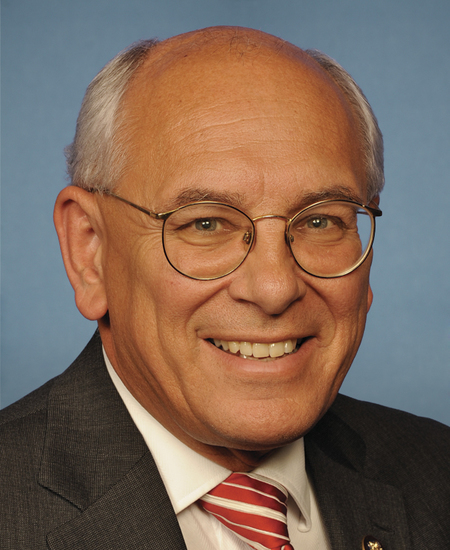
Rep. Paul Tonko
Sponsored bills
Maddy summaryHR 6253, the Advanced Nuclear Reactor Prize Act, creates a program to reimburse non-Federal entities and the Tennessee Valley Authority (TVA) for licensing fees paid to the Nuclear Regulatory Commission (NRC) when they receive approval for advanced nuclear reactors. The bill covers five specific reactor types, including those using spent nuclear fuel, integrated energy systems designed to reduce emissions, and flexible reactors for process heat. Reimbursement equals the exact licensing fees paid to the NRC (including construction permit or early site permit costs), with no requirement for repayment or interest. This applies only to the first qualifying reactor in each category that receives an operating license or specific NRC findings after the bill's enactment.
Maddy summaryHR 6121, the Filipino Veterans Fairness Act of 2023, expands U.S. veterans benefits for individuals who served in the Philippine Army, Philippine Scouts, or recognized guerrilla forces during World War II. It directly affects Filipino veterans who previously faced challenges proving service due to limited documentation. The bill allows the Secretary of Veterans Affairs to consider alternative records beyond the National Personnel Records Center rosters when determining eligibility, requires annual reports to Congress on applications and approvals, and clarifies that the Filipino Veterans Equity Compensation Fund does not apply to these veterans. These changes aim to streamline access to benefits for this specific group of veterans.
Maddy summaryThis resolution (HRES 823) is a symbolic measure supporting "Weatherization Day" to highlight the U.S. Weatherization Assistance Program. It directly affects low-income households, which pay nearly 14% of their income on energy costs and often live in inefficient, unsafe homes. The resolution cites that the program has helped over 7 million families since 1976, reducing energy use by 20%+ in upgraded homes while improving health outcomes. It urges federal agencies to expand weatherization efforts and recognizes community action agencies for connecting low-income residents to this program. The resolution does not create new laws but formally endorses the program’s goals and existing benefits.
Maddy summaryHR 6172, the AMMO Act, requires federal firearms licensees (dealers/manufacturers) to implement new rules for selling ammunition to non-licensed buyers. It prohibits transfers exceeding 100 rounds of .50 caliber or 1,000 rounds of other calibers within any 5-day period and mandates written certification from buyers confirming they haven’t exceeded these limits. Licensees must also conduct background checks through the National Instant Criminal Background Check System (NICS) before selling ammunition to non-licensed individuals, similar to firearm sales. The bill includes recordkeeping, signage, and reporting requirements for violations, with penalties including fines up to $250,000 for licensees and $50,000 for buyers making false statements.
Maddy summaryHR 6076 establishes a $600 million program to fund energy efficiency improvements for small- and medium-sized manufacturers (defined as businesses with 750 or fewer employees in manufacturing sectors 31-33). Qualified entities like state energy offices, tribes, or nonprofits receive grants to provide subgrants directly to these manufacturers for projects that reduce electricity or natural gas use. The bill requires all iron and steel products used in funded projects to be "produced in the United States" (with limited waivers for cost or availability issues), and mandates labor compliance checks for contractors. It also requires manufacturers to develop energy management plans and share data on energy savings with program managers.
Maddy summaryHR 5997, the SHINE Act of 2023, creates a voluntary program to streamline local permitting for residential energy systems like rooftop solar, home battery storage, electric vehicle chargers, and hydrogen vehicle refueling. The bill directs the Department of Energy to develop an online permitting platform and provide technical assistance to local governments, aiming to standardize and expedite approval processes for these systems. It establishes a certification program for local governments that adopt the streamlined process and offers prizes to encourage participation. The legislation authorizes $20 million annually (2024-2027) to fund the program's implementation, directly affecting homeowners installing qualifying energy systems and local permitting authorities.
Maddy summaryThe REPAIR Act requires car manufacturers to provide vehicle owners and independent repair shops with free, unrestricted access to vehicle data and repair information. It bans manufacturers from using technological or legal barriers to block access to diagnostics, tools, or aftermarket parts, and prohibits mandating specific brands for repairs or restricting customers’ choice of repair facility. The law also prevents manufacturers from requiring waivers of these rights as a condition of purchase, lease, or warranty service. The Federal Trade Commission will enforce these provisions to ensure fair competition in vehicle repair.
Maddy summaryHRES 832 is a symbolic resolution recognizing Día de los Muertos (Day of the Dead) as an annual cultural observance in the U.S. and globally. It acknowledges the holiday's origins in Mesoamerican traditions, its significance in honoring deceased loved ones through altars (*ofrendas*), and its role in celebrating Latino cultural heritage. The resolution specifically highlights the contributions of Mexican and Mexican American communities to U.S. society and culture, without creating new laws or obligations. It is a ceremonial gesture by Congress, not a policy with concrete effects on individuals or communities.
Maddy summaryHRES 831 is a symbolic congressional resolution supporting October as "National Domestic Violence Awareness Month." It does not create new laws or allocate funding, but formally expresses the House of Representatives' support for the goals of raising awareness about domestic violence. The resolution urges Congress to continue highlighting domestic violence's impact and backing programs that prevent and address it. It directly affects public awareness efforts and serves as a non-binding statement of congressional support for victims and advocacy organizations.