

Maddy summaryThis bill establishes the Great Bend of the Gila National Monument, protecting approximately 376,963 acres of land in Arizona for the preservation of Indigenous heritage, cultural landscapes, archaeological sites, and natural resources. The monument's management requires consultation with a Tribal Commission representing interested Native American tribes, incorporates Traditional Ecological Knowledge into planning, and protects sacred sites while maintaining existing tribal treaty rights. Key provisions include prohibiting new permanent roads within the monument, requiring meaningful tribal engagement in management decisions, and ensuring continued access for traditional tribal uses like cultural and religious activities. The bill maintains existing grazing, water rights, and tribal treaty rights while emphasizing the protection of natural quiet, dark night skies, and scenic attributes. It creates a framework for tribal co-stewardship through the Tribal Commission, which provides guidance on management plans and policies.
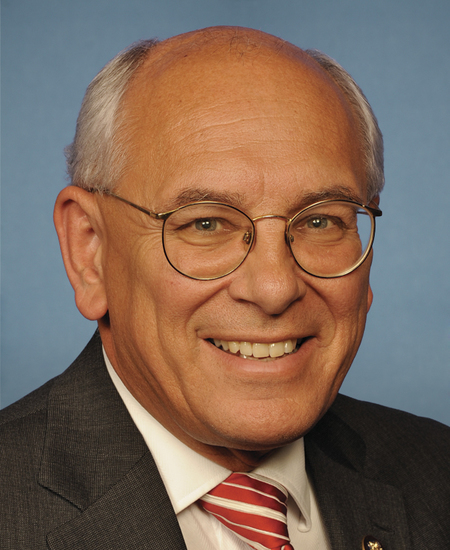
Rep. Paul Tonko
Sponsored bills
Maddy summaryThe Residential Recovery for Seniors Act would expand Medicare Part A coverage to include specific types of residential substance use disorder treatment for seniors. It creates three new coverage categories: low-intensity, high-intensity, and medically managed residential treatment, each with defined service requirements and facility standards. Medicare would cover these services when provided by certified facilities meeting specific clinical and operational criteria, including regular need assessments and adherence to evidence-based treatment standards. The bill also establishes a prospective payment system for these services to be implemented by October 2025, with initial payments matching current costs and future payments adjusted for inflation.
Maddy summaryThe REMOVE Act of 2024 establishes a federal interagency group and four specialized working groups to coordinate research, development, and demonstration of carbon dioxide removal (CDR) technologies. It directs agencies like Energy, Agriculture, and EPA to focus on ocean-based, terrestrial, geological, and technological CDR methods through coordinated planning and annual budget reviews. The bill creates structures for evaluating cost-effective CDR approaches and monitoring environmental impacts but does not mandate emissions reductions or fund specific projects. It affects federal agencies conducting climate-related research, with mechanisms requiring 3-year reviews of group composition and annual budget integration across departments. The Act is procedural, outlining process rather than direct policy changes for the public or private sector.
Maddy summaryThis bill permanently removes a 2026 expiration date for a tax exclusion allowing employers to pay employees' student loans through educational assistance programs without those payments being counted as taxable income. It directly affects employees who receive employer-sponsored student loan repayment assistance and employers offering such programs. The key provision amends the Internal Revenue Code to make this tax exclusion permanent, applying to all future payments made after the bill's enactment. This change simplifies the tax treatment for both employers and employees participating in these student loan repayment programs.
Maddy summaryThis bill establishes a federal program under the EPA to improve indoor air quality in schools and childcare facilities, directly affecting local educational agencies and covered childcare providers. It requires the EPA to develop science-based guidelines for harmful indoor contaminants (like mold, radon, and chemicals), conduct a national assessment of school air quality within three years, and provide technical assistance to schools. The bill also creates voluntary certification programs for buildings meeting high indoor air quality standards and authorizes $100 million annually for implementation. Key mechanisms include mandatory assessments, updated ventilation standards, and funding for schools to reduce exposure to air contaminants.
Maddy summaryThe Improving Mentorship in STEM Higher Education Act creates a National Science Foundation program to fund projects enhancing mentorship for STEM faculty, graduate students, and postdoctoral researchers at colleges and universities. Eligible entities - including minority-serving institutions, historically Black colleges, Tribal Colleges, rural-serving universities, and emerging research institutions - can apply for competitive grants to develop mentoring skills, promote evidence-based practices, and provide cultural competency training. The program is funded with $5 million annually (2025-2029) and requires a five-year report assessing effectiveness and proposing permanent implementation if successful.
Maddy summaryH.J. Res. 193 proposes a constitutional amendment to eliminate legal immunity for federal officials, including the President, from criminal prosecution for actions taken while performing official duties. It also prohibits the President from granting a pardon to themselves. The amendment would apply to all federal officers (such as the President, Vice President, and members of Congress) except for Congress members acting in their legislative role as defined in the Constitution. If ratified by 38 states, this change would become part of the U.S. Constitution, requiring no further congressional action.
Maddy summaryThis resolution designates September 2024 as "PCOS Awareness Month" to highlight polycystic ovary syndrome (PCOS), a hormonal condition affecting an estimated 5-10 million U.S. women and girls. It recognizes PCOS as a serious health issue linked to infertility, type 2 diabetes, heart disease, mental health challenges, and other related conditions. The resolution urges increased public and medical education about PCOS, improved diagnosis, and research into better treatments, without creating new laws or funding. It directly supports women and girls living with PCOS by promoting awareness of its wide-ranging health impacts.
Maddy summaryHRES 1375 is a non-binding resolution recognizing extreme weather as a critical threat to children's health and well-being, emphasizing that children face unique vulnerabilities due to their developing bodies, higher exposure to pollutants, and heightened risks during events like heatwaves, wildfires, and poor air quality. It expresses Congress's view that solutions must be developed and deployed rapidly and equitably, with specific attention to children's physical and mental health needs. The resolution suggests concrete measures such as improved air filtration in schools, accessible public alerts for extreme heat, expanded cooling centers, and better infrastructure for child-friendly emergency spaces, though it does not create new laws or mandates.
Maddy summaryThe 9/11 Responder and Survivor Health Funding Correction Act of 2024 makes several key changes to the World Trade Center Health Program that serves 9/11 responders and survivors. It allows licensed mental health providers (not just physicians) to conduct mental health evaluations for program participants and extends the time period for adding new health conditions from 90 to 180 days. The bill also adjusts enrollment calculations by removing deceased individuals from program counts and provides $2.97 billion in new funding for fiscal year 2024 with a minimum annual funding level of $20 million for 2025. These changes aim to improve access to care while ensuring stable, long-term funding for the program that provides medical services to those affected by the 9/11 attacks.