

Maddy summaryThis bill would amend federal law to strengthen penalties for organized retail crime by expanding definitions of theft to include digital goods, gift cards, and setting a $5,000 aggregate value threshold for charges over a 12-month period. It would establish a new "Organized Retail and Supply Chain Crime Coordination Center" under Homeland Security to coordinate Federal, State, local, and Tribal law enforcement efforts against cross-jurisdictional theft groups. The Center would share information with retailers, transportation companies, and law enforcement agencies, track crime trends, and produce annual reports on organized retail crime. This legislation directly affects retailers, supply chain businesses, and law enforcement agencies, while targeting organized crime groups responsible for a 93% increase in larceny incidents and rising safety concerns for retail employees. The bill aims to address significant financial losses and supply chain disruptions noted in the National Retail Federation's 2023 data.
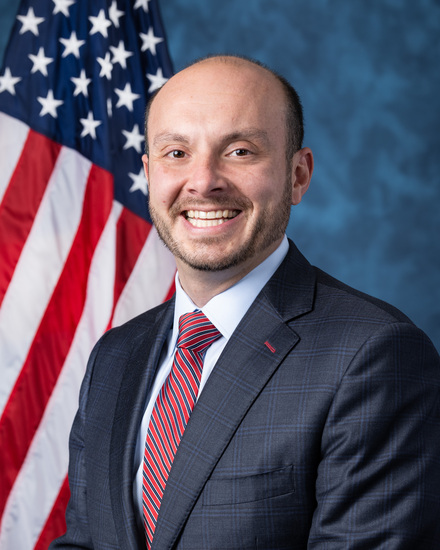
Rep. Andrew R. Garbarino
Sponsored bills
Maddy summaryThis resolution expresses the sense of the House of Representatives that antisemitic rhetoric from specific online personalities, including Hasan Piker and Candace Owens, is dangerous and contributes to hatred. It urges social media platforms to enforce their policies against hate speech and calls on public officials to condemn such conduct without exception. The bill does not impose new laws or penalties but instead highlights specific instances of alleged hate speech to emphasize the need for responsibility among influencers and technology companies.
Maddy summaryThis bill renames a U.S. Postal Service facility at 2200 South Salina Street in Syracuse, New York, as the "Wallie Howard Jr. Post Office Building." All official references in federal laws, documents, or records to this specific location will now use the new name. The bill has no policy impact beyond this administrative designation.
Maddy summaryThe Supporting Energy and Economic Development (SEED) Act extends tax credits for biodiesel and renewable diesel production through 2029. It prevents taxpayers from receiving both the production credit and the fuel use credit for the same fuel, ensuring only one benefit is claimed. These changes apply to fuel sold or used after the bill becomes law.
Maddy summaryThis bill proposes to reverse several tax incentives for energy efficiency and clean energy that were previously extended by a 2024 law. It would end the tax deduction for energy-efficient commercial buildings, shorten the expiration date for the energy-efficient home credit, and delay the deadline for constructing clean hydrogen facilities. Additionally, the legislation would remove limits on the amount of credits available for clean electricity production and change how the phase-out of these credits is triggered. These changes directly affect property owners, builders, and businesses that currently rely on these specific tax breaks to fund green projects.
Maddy summaryThis bill modernizes housing assistance programs for Native American tribes and Native Hawaiians by streamlining environmental reviews, extending funding authorization through 2032, and expanding loan guarantee options. Key provisions include consolidating environmental review requirements to reduce paperwork for tribes, allowing 99-year leasehold interests on trust lands for housing, and creating new rental assistance specifically for homeless or at-risk Native American veterans. The legislation also clarifies rent rules, waives certain housing counseling certifications for tribal entities, exempts tribal housing projects from some federal civil rights and Buy America requirements, and establishes a direct loan guarantee process for tribal housing projects.
Maddy summaryThis resolution expresses the sense of the House of Representatives that open water lifeguards qualify as first responders and emergency response providers. It recognizes their essential, lifesaving work and reaffirms their role in protecting lives, property, evidence, and the environment.
Maddy summaryThe CERTAIN Act aims to expedite federal permitting and environmental reviews for infrastructure projects by imposing strict timelines on federal agencies. It limits an agency's ability to revoke existing project authorizations unless specific conditions are met, such as a court order or immediate harm. The bill mandates deadlines for agencies to process applications, determine completeness, and conduct environmental reviews, with routine authorizations automatically approved if agencies miss their deadlines.
Maddy summaryThis bill directs the Comptroller General to conduct a study on the 1-800-MEDICARE hotline within one year of enactment. The study will examine customer wait times, satisfaction levels, staffing competency, contractor performance, and any changes in service quality since previous reports. It also requires the report to include recommendations for improving the hotline and describe actions taken in response to past recommendations. The bill affects Medicare beneficiaries who use the hotline and the contractors and government officials responsible for managing it.
Maddy summaryThe Interstate Ferry Fairness Act allows privately owned ferries and ferry terminals operating between two adjoining states to receive federal funding for construction and purchase. Under this legislation, private ferry operators can apply for federal assistance if the Secretary of Transportation determines the project provides substantial public benefits or meets surface transportation needs. The bill also permits privately owned ferries to charge fares that cover operational costs plus a reasonable rate of return approved by the Secretary. These changes expand eligibility for the Ferry Boat Program beyond publicly owned vessels, while maintaining oversight on fare structures and fund usage.