Discriminatory Gaming Tax Repeal Act of 2023 This bill repeals the excise tax on wagering. The term wager includes bets on a sporting event or contest that is conducted for profit and a lottery conducted for profit.
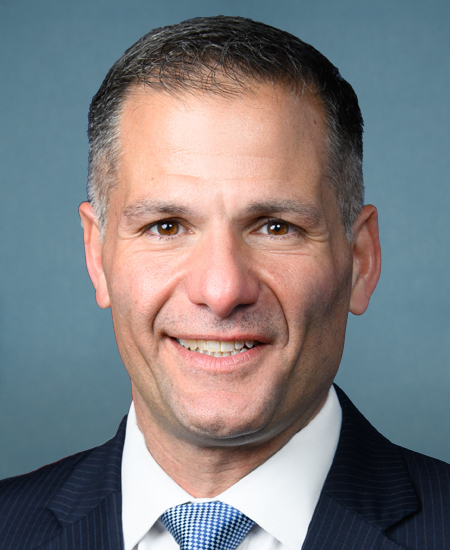
Rep. Marcus J. Molinaro
Sponsored bills
Maddy summaryThis bill reauthorizes federal funding for opioid recovery centers through 2028, extending the current program's timeline. It directly affects existing opioid recovery centers and their partner organizations, such as mental health and substance use treatment providers. Key changes include allowing centers to use letters of intent from partners instead of full documentation to prove service coordination, and clarifying that centers may deliver services through third-party contracts or referrals while maintaining oversight. The bill streamlines administrative requirements without altering core service delivery standards.
Maddy summaryThe DAIRY PRIDE Act would require food products using dairy-related terms (like "milk," "yogurt," or "cheese") to meet the FDA's definition of dairy - derived from animal milk - to prevent misleading labeling of plant-based alternatives. It directly affects producers of plant-based products currently marketed with dairy terms, such as almond or oat milk, which often lack comparable nutrition. The bill mandates the FDA issue enforcement guidance within 180 days and report to Congress on actions taken after two years. This policy change aims to align product names with the FDA's existing definition of dairy products under federal law.
Maddy summaryThis bill authorizes a Congressional Gold Medal to honor the "Hello Girls" - female telephone operators who served in the Army Signal Corps during World War I. They provided critical battlefield communications in France (connecting 26 million calls), wore military uniforms, and faced combat risks, but were denied veteran benefits for 60 years due to being classified as civilian contractors. The medal recognizes their pioneering service, devotion, and the decades-long struggle to gain military recognition. The award follows similar recognition for other WWII women veterans and aims to correct the historical injustice they faced.
This resolution recognizes that states that require local governments to contribute funds to Medicaid should not withhold federal Medicaid matching funds from these local governments to make up for state budget shortfalls.
Maddy summaryHR 1533 requires federal banking regulators (like the Fed, OCC, and FDIC) to study challenges faced by new banks - especially minority-owned depository institutions and community development financial institutions - seeking charters. Within 18 months, they must submit a public report and strategic plan to Congress, outlining steps to help these institutions successfully apply for charters while expanding banking access in underserved areas. The plan must address safety, consumer protection, and creating a "level playing field" for new institutions. It directly affects proposed minority depository institutions and communities lacking branch banking access, with no funding or immediate policy changes - only a regulatory study and planning process.
Maddy summaryThis bill amends the World Trade Center Health Program to expand eligibility to include certain Department of Defense and Federal agency workers who responded to the September 11 attacks at the Pentagon and Shanksville, Pennsylvania. It establishes a 500-person enrollment cap for these responders, allows a broader range of licensed health care providers to conduct program evaluations, and creates two new funding mechanisms totaling $2.04 billion for the program through 2033. The bill also clarifies enrollment counts by excluding deceased individuals from program statistics and adjusts funding calculations to ensure continued support for affected responders and survivors. These changes directly affect 9/11 responders who worked at the Pentagon and Shanksville sites and their families participating in the health program.
Maddy summaryHR 1491, the Small Business Energy Loan Enhancement Act, increases the maximum loan amount for energy-related small business loans under the Small Business Investment Act of 1958 from $5.5 million to $10 million. This directly affects small businesses seeking financing for energy efficiency or renewable energy projects by doubling their potential loan access. The bill requires the Small Business Administration to submit annual reports to Congress detailing which industries and geographic areas received these enhanced loans. These changes aim to expand access to capital for qualifying energy projects without altering eligibility criteria.
Maddy summaryThis resolution, titled the "No Fame for Fraud Resolution," would amend House rules to prevent members of Congress (including delegates and resident commissioners) who face an indictment for financial or campaign finance fraud from receiving payment for biographies, media appearances, or creative works. It specifically targets offenses like violations of campaign finance laws (under the Federal Election Campaign Act) or certain financial crimes covered under federal employee ethics rules. The rule change would apply only to compensation from these non-legislative activities, not a member's regular salary. This policy directly affects members under indictment for the specified fraud-related charges, restricting their ability to profit from public-facing projects during such legal proceedings.

Maddy summaryHR 1379, titled the *Access to Small Business Investor Capital Act*, simplifies reporting requirements for investment companies that hold shares in business development companies (BDCs). The bill allows registered investment companies (like mutual funds) to exclude BDC-related fees and expenses from their standard "Acquired Fund Fees and Expenses" calculations in registration statements, instead disclosing these costs in a footnote. This change directly affects investment companies managing portfolios with BDC investments and the BDCs themselves, reducing administrative complexity. The provision modifies existing SEC disclosure rules under the Investment Company Act of 1940 without creating new capital access for small businesses.