

Maddy summaryHR 6877, the Streamlining Conservation Practice Standards Act, requires the USDA to regularly review and update environmental protection practices on farms. It mandates a 5-year review cycle for all conservation standards, includes public input processes, and creates a faster pathway for adopting new or improved practices. Farmers and landowners participating in USDA conservation programs will directly experience these changes through updated guidelines and more transparent decision-making. The bill also establishes a streamlined process for developing interim standards that can become permanent, based on public feedback, technological advances, and state recommendations, all using existing conservation funding.
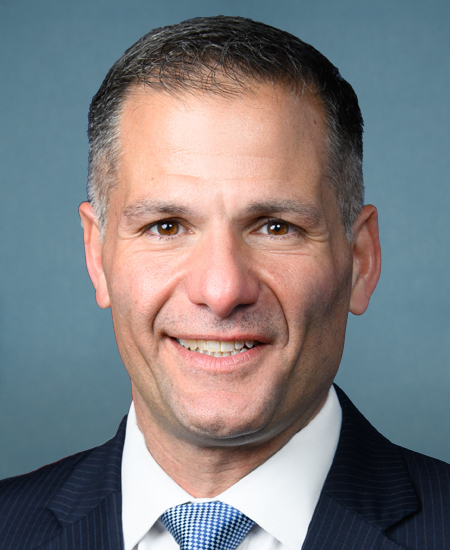
Rep. Marcus J. Molinaro
Sponsored bills
Maddy summaryHCONRES 123 directs legislative branch support offices (excluding House and Senate offices) to increase purchasing from the AbilityOne program, which provides employment opportunities for people who are blind or have significant disabilities. The resolution requires each office to appoint an "AbilityOne Representative" to promote program purchases, ensure compliance with regulations, and develop a strategic plan for growth. Offices must submit annual reports starting in 2025 detailing spending on AbilityOne products/services versus non-AbilityOne sources, including explanations for procurement choices. This procedural resolution applies to all legislative branch offices funded by the Legislative Branch Appropriations Act.
Maddy summaryHRES 1401 directs the House of Representatives to prioritize buying products and services from the AbilityOne program, which employs people who are blind or have significant disabilities. The bill requires the House Administration Committee to update procurement rules by 2025 to ensure House offices buy AbilityOne products whenever possible, add prominent website features for AbilityOne items in the House Supply Store, and create a dedicated "AbilityOne Representative" role to oversee this effort. It also mandates annual reports tracking how much the House spends on AbilityOne versus non-AbilityOne purchases, including reasons for not using the program. This affects all House offices, committees, and support staff in their purchasing decisions, directly supporting employment for approximately 50,000 workers with disabilities through the federal government's procurement system.
Maddy summaryHR 9299, the IRAN Act, requires the U.S. Secretary of State to lead federal efforts promoting internet freedom and access to information in Iran. It amends a 2012 law to mandate specific strategy updates, including evaluating how activists use virtual private networks (VPNs) and satellite tech, developing guidance to prevent sanctions from blocking internet tools for Iranians, and planning to bypass government internet blackouts. The bill directs the State Department to coordinate with Treasury, Commerce, USAID, and intelligence agencies to implement these updates. This affects U.S. government agencies' coordination and aims to improve internet access for Iranian civil society activists.
Maddy summaryHR 9274, the SHAWL Act, establishes two new Smithsonian museums: the National Museum of the American Latino and the American Women’s History Museum. It authorizes both museums to be located within the National Mall’s "Reserve" area, overriding prior restrictions, and requires federal agencies managing potential sites to transfer jurisdiction to the Smithsonian after notifying congressional committees. The bill mandates that both museums accurately represent diverse cultures, histories, and viewpoints within Latino and women’s communities through exhibits and programs, requiring input from a broad range of community experts. It also requires the Smithsonian to submit biennial reports to Congress detailing compliance with these representation requirements.
Maddy summaryThe EMIT LESS Act of 2024 establishes research facilities and training programs to study and reduce methane emissions from livestock digestion. It creates USDA-funded labs to test methane-mitigation products, requires training at land-grant universities on livestock management and emissions monitoring, and amends conservation programs to include livestock feed management practices that lower methane. The bill directly affects livestock farmers by expanding eligibility for USDA conservation payments when they adopt practices proven to reduce enteric methane emissions. Key mechanisms include updated conservation standards, new payment incentives for feed management, and mandatory annual reports to Congress on emission reduction progress.
Feed the Community Act This bill allows a tax exemption for charitable donations of food transportation vehicles and food storage equipment to tax-exempt charitable organizations for providing food to individuals and communities in need.
Maddy summaryThis bill requires Transportation Security Officers to complete annual, specialized training focused on assisting passengers with disabilities, separate from general security training. It expands access to expedited security screening for passengers with disabilities or medical conditions, including in dedicated lanes. Most significantly, it establishes free enrollment in the TSA PreCheck program for veterans who lost a limb, became paralyzed, or have permanent blindness requiring mobility aids (verified through VA care), with TSA and the Department of Veterans Affairs coordinating outreach and implementation.
Maddy summaryHR 9166, the RISE Act, requires the Small Business Administration, Appalachian Regional Commission, and Delta Regional Authority to create a coordination agreement within 120 days of enactment. This agreement aims to expand support for rural entrepreneurs and small businesses in the Appalachian and Delta regions by improving how these agencies work together. The bill mandates a joint report to Congress within two years detailing coordination efforts, the number of businesses assisted, and future collaboration plans. It does not create new funding but focuses on better coordination between existing federal agencies serving these specific rural areas.
Maddy summaryThe 9/11 Responder and Survivor Health Funding Correction Act of 2024 makes several key changes to the World Trade Center Health Program that serves 9/11 responders and survivors. It allows licensed mental health providers (not just physicians) to conduct mental health evaluations for program participants and extends the time period for adding new health conditions from 90 to 180 days. The bill also adjusts enrollment calculations by removing deceased individuals from program counts and provides $2.97 billion in new funding for fiscal year 2024 with a minimum annual funding level of $20 million for 2025. These changes aim to improve access to care while ensuring stable, long-term funding for the program that provides medical services to those affected by the 9/11 attacks.