

Maddy summaryHR 6701 increases the annual deduction for eligible classroom expenses for elementary and secondary school teachers from $250 to $600. This change allows teachers to directly reduce their taxable income by up to $600 for out-of-pocket expenses like supplies, without needing to itemize deductions. The bill applies to tax returns filed for taxable years beginning after December 31, 2022 (effective for 2023 tax filings). It directly affects K-12 teachers who pay for classroom materials using their own funds.
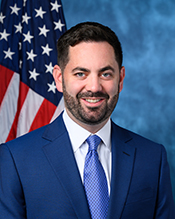
Rep. Michael Lawler
Sponsored bills
Maddy summaryHRES 904 is a House resolution supporting World AIDS Day goals. It encourages efforts to achieve zero new HIV transmissions, zero discrimination, and zero AIDS-related deaths by 2030, while commending existing programs like PEPFAR and the Ryan White CARE Act. The resolution also supports continued funding for HIV prevention, treatment, and research, with specific focus on communities disproportionately affected by HIV in the U.S. and globally. As a symbolic statement, it does not create new laws or allocate funds.
Maddy summaryThis bill amends existing law to expand substance abuse treatment services for children, adolescents, and young adults to explicitly include suicide prevention. It broadens eligibility for funding to include pediatric specialists, children’s hospitals, emergency departments, and Indian Health Service programs. The bill requires grantees to provide parents or guardians with counseling on preventing overdose/suicide and supplies to reduce access to lethal means (like medications or firearms). It mandates a minimum of $2 million annually in federal grants for these suicide and overdose prevention programs, effective 2024-2028.
Maddy summaryThis bill requires the government to partner with scientific experts to regularly assess health impacts of PFAS chemicals (common "forever chemicals" found in water and products) and develop clinical guidance for doctors. Within two years of enactment, the Agency for Toxic Substances and Disease Registry must complete an initial assessment and clinical recommendations, updating them every five years. The guidance will be posted online and shared with public health officials and healthcare providers to help treat PFAS-related health issues. It directly affects people exposed to PFAS and the medical professionals treating them.
Maddy summaryHR 6600, "Tyler’s Law," requires the Secretary of Health and Human Services to study how often hospital emergency departments test for fentanyl during overdose cases, along with the costs, benefits, risks, and patient privacy impacts. The study must be completed within one year of the bill’s enactment, followed by guidance issued within six months on whether fentanyl testing should become routine. This guidance will address how hospitals can inform clinicians about testing protocols and how fentanyl testing might affect future overdose risks and patient health outcomes. The bill directly affects hospitals and emergency departments treating overdose patients, focusing on improving data-driven practices for fentanyl detection.
Maddy summaryThis bill creates a 30% tax credit for owners of hydroelectric dams who make specific upgrades to their facilities. It directly affects dam operators who install qualifying improvements like fish passage systems, water quality enhancements, dam safety upgrades, or removal of obsolete river obstructions. The credit applies to property placed in service after December 2022, requires prior approval from FERC or state officials (before 2032), and covers items such as new turbines, sediment management systems, and small remote dams serving isolated communities. The tax code is amended to include this credit as a new provision under section 48F.
Maddy summaryThis bill authorizes the posthumous presentation of a Congressional Gold Medal to honor Marshall "Major" Taylor, a pioneering Black cyclist who broke racial barriers in the late 19th and early 20th centuries. It recognizes his athletic achievements, including world records and international championship wins, as well as his advocacy for equality in sports. The medal, designed by the Treasury Secretary, will be presented to Taylor's great-granddaughter, Karen Donovan, following the congressional authorization. As a commemorative act with no policy changes, it serves solely to honor Taylor's legacy as a trailblazer and role model.
Maddy summaryThe PLAN for School Safety Act of 2023 creates a federal program to fund State and regional centers that help schools develop and improve individualized safety plans. These centers, established by eligible entities like state education agencies or Tribal organizations, provide tailored consulting on school safety, mental health, and violence prevention using research-backed methods. The program requires centers to cover 5% of activity costs and prioritizes support for schools in rural, Tribal, or low-resourced communities. Annual reports to Congress will track implementation progress, effectiveness, and how centers assist schools in accessing funding for safety initiatives.
Maddy summaryHR 6588, the International Financial Institution Counter Terrorism Accountability Act, requires the U.S. Treasury Secretary to submit a detailed report to Congress within 180 days of enactment. The report must list countries supported by the World Bank and IMF, detail their anti-terrorism financing and money laundering programs, disclose spending on these efforts (including U.S. government funds over 10 years), and evaluate program effectiveness. Within 90 days of the report, the Treasury must develop recommendations to improve these efforts and direct U.S. representatives at the World Bank and IMF to advocate for their implementation. The bill directly affects the World Bank and IMF by mandating transparency and accountability in their counter-terrorism financing work.
Maddy summaryHR 6589, the "Prevent the Financing of Terrorism Through the Drug Trade Act," requires the Treasury Secretary to submit a detailed report to Congress within 180 days of enactment. The report must analyze Hamas and Hezbollah's money sources, funds held, links to drug trafficking, and U.S. efforts to disrupt their financing in Mexico, Central America, South America, and the Caribbean. It also mandates that the next National Terrorist Financing Risk Assessment report identify Hamas as a "Primary Threat" and describe its financing activities. The bill directly affects U.S. financial intelligence and counterterrorism reporting mechanisms, focusing on terrorist financing in the Americas. This is a procedural requirement for federal reporting, not a direct policy change for the public.