

Maddy summaryHR 3138 amends the Elementary and Secondary Education Act to improve support for English learners and immigrant children/youth. It requires states to collect and report disaggregated data on English learners (including by disability, ethnicity, race, and native language) and monitor the progress of former English learners. The bill mandates new activities for schools, such as providing legal/educational resources to families, implementing evidence-based practices, and offering culturally responsive training for educators. It also directs agencies serving communities with rising immigrant populations to assess state laws affecting these students and notify families. These changes directly affect schools, educators, and English learner students across the U.S.
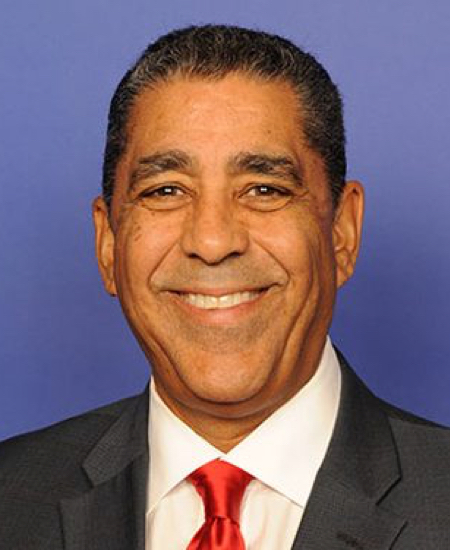
Rep. Adriano Espaillat
Sponsored bills
Maddy summaryThe Transit to Trails Act establishes a federal grant program to fund transportation projects connecting critically underserved communities - defined as areas lacking adequate park access, low-income, communities of color, or environmental justice areas - to public lands and recreational spaces. Eligible entities, including states, local governments, tribal organizations, and park districts, can apply for grants to develop transportation connectors (like bus routes) and culturally appropriate education materials, with priority for projects using low-emission vehicles and offering discounted fares for low-income riders. Grants range from $25,000 to $500,000, with federal funding covering up to 80% of costs, and recipients must report on demographics served and project outcomes. The program is funded at $40 million annually in its fifth year, aiming to improve mobility to parks and recreation in communities historically excluded from such access.
Maddy summaryHCONRES 37 is a non-binding congressional resolution expressing that Congress views climate change as an emergency requiring a massive national mobilization. It states that human-caused climate change severely impacts U.S. economic well-being, health, safety, and national security, and urges the President to use existing authorities to accelerate climate action. The resolution does not create new laws or funding but emphasizes the need for urgent, equitable efforts to reduce emissions, address environmental injustice, and support vulnerable communities disproportionately affected by climate impacts. It cites rising global temperatures, extreme weather costs ($165 billion in U.S. disasters in 2022), and the Inflation Reduction Act as context, while clarifying it does not declare an actual national emergency.
This concurrent resolution condemns the absolute criminalization of abortion in El Salvador and anywhere in the world. It also calls upon the Inter-American Court of Human Rights to recognize that total criminalization of abortion violates human rights.
This resolution declares gun violence to be a public health crisis. It also urges the Centers for Disease Control and Prevention to expand research and data collection on preventing gun violence and the Surgeon General to report on firearm injuries and violence prevention.
Maddy summaryHR 3106, the Preventing Deepfakes of Intimate Images Act, creates a legal right for individuals whose realistic digital manipulations of intimate images (such as uncovered genitals, bodily fluids, or sexually explicit conduct) are disclosed without consent. It allows victims to sue for civil damages, including up to $150,000 in liquidated damages, actual harm, or punitive penalties, and seek court orders to stop further disclosure. The bill specifically protects identifiable individuals (not just public figures) and covers images created or altered using digital manipulation, excluding cases involving law enforcement, public interest, or good-faith disclosures. Criminal penalties up to 10 years may apply for malicious disclosure with intent to harass or cause harm. This directly affects anyone whose intimate images are deepfaked without permission, providing new legal recourse against perpetrators.
This concurrent resolution expresses the sense of Congress that the individuals responsible for the July 1999 murders of U.S. citizens Ylli, Agron, and Mehmet Bytyqi in Serbia should be brought to justice and that the United States should devote sufficient resources to fully assist and monitor Serbia's efforts to investigate and prosecute such individuals.
Maddy summaryThis bill would create a pathway to permanent residency for non-citizens who worked in designated essential sectors during the pandemic. It would allow eligible workers in healthcare, emergency response, sanitation, food services, agriculture, construction, and other critical industries to apply for permanent residence if they've been physically present in the U.S. since January 1, 2023, after meeting background check requirements. The bill includes application fee exemptions for low-income applicants and protections against employer retaliation for workers seeking documents to support their applications. It also includes special provisions for those who have been ordered removed from the U.S. to apply for status under this program.
Maddy summaryHR 3050, the Fair Adjudications for Immigrants Act, changes how immigration authorities define a "conviction" for deportation purposes. It specifically excludes dismissed, expunged, or vacated cases, probation without judgment, and cases under appeal from being counted as convictions. The bill also requires courts to issue a formal recommendation against removal before immigration penalties apply for certain convictions. This directly affects immigrants with past criminal records who have had these specific legal dispositions applied to their cases.
Maddy summaryHRES 344 is a non-binding resolution proposing that April be designated as "National Garifuna Immigrant Heritage Month" to recognize the contributions of Americans with Garifuna immigrant heritage. It specifically aims to celebrate their cultural traditions, historical roots in Central America, and role in enriching U.S. diversity. The resolution encourages the American public to observe this month through ceremonies and activities highlighting Garifuna history and culture, which includes UNESCO-recognized traditions. It does not create new programs or funding but serves as a symbolic acknowledgment of this community's heritage. The resolution was introduced in the House of Representatives on April 28, 2023.