

9/11 Responder and Survivor Health Funding Correction Act This bill increases funding for and otherwise modifies a federal program that provides medical monitoring and treatment to responders and survivors who suffer from health conditions related to the September 11, 2001, attacks on the World Trade Center. Among the changes, the bill allows certain health care providers other than physicians to determine whether an individual's health condition is related to the attacks, and it establishes a research program to study the impacts of the attacks on health and educational outcomes of individuals who were 21 years of age or younger when the attacks occurred.
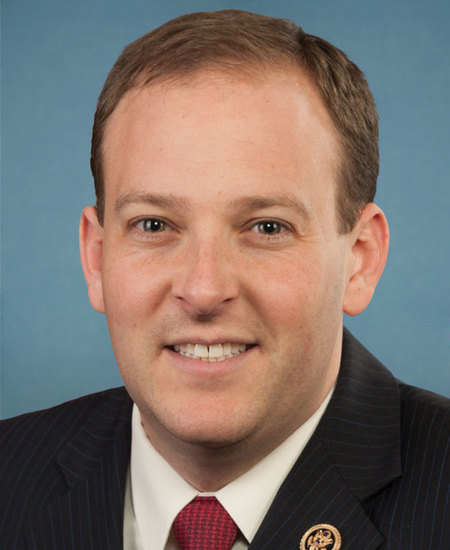
Rep. Lee M. Zeldin
Sponsored bills
Lonnie Kilpatrick Central Pacific Relief Act This bill provides a presumption of service-connection for diseases associated with exposure to certain herbicide agents to veterans who served on (1) Guam or American Samoa, or in the territorial waters thereof, between January 9, 1962, and July 31, 1980; or (2) Johnston Atoll or a ship that went to Johnston Atoll between January 1, 1972, and September 30, 1977. Under a presumption of service-connection, specific diseases diagnosed in certain veterans are presumed to have been caused by the circumstances of their military service. Health care benefits and disability compensation may then be awarded. Additionally, the bill expands eligibility for hospital care, medical services, and nursing home care to veterans with a disability associated with exposure to certain herbicides during specified times of military service on Guam, American Samoa, or Johnston Atoll.
VA Hiring Enhancement Act This bill modifies requirements and procedures related to the hiring of physicians at the Department of Veterans Affairs (VA). Specifically, the bill negates enforcement of a noncompete agreement that an applicant for a specified appointee position (e.g., physician) in the Veterans Health Administration (VHA) has entered into with a non-VA facility or party. As a condition of terminating the noncompete agreement, the physician must agree to serve at the VHA for one year or until the expiration of the noncompete agreement, whichever is later. The bill also authorizes the VA to offer a contingent physician's appointment to a person if the VA anticipates that the person will have completed a residency program leading to board eligibility in a specialty and met other requirements for the appointment within two years after the VA offer. Eligibility requirements for a VA physician's appointment are revised to require completion of a residency program rather than an internship.
This bill requires the Department of Veterans Affairs (VA) to designate one week per year as Battle Buddy Check Week for the purposes of organizing outreach events and educating veterans on how to conduct peer wellness checks. The VA shall ensure that the Veterans Crisis Line has a plan for handling the potential increase in calls that may occur during such week.
Consumer Financial Protection Commission Act This bill removes the Consumer Financial Protection Bureau from the Federal Reserve System, converts the bureau into an independent commission, and modifies its leadership structure. Specifically, the bill eliminates the positions of director and deputy director and establishes a five-person commission appointed by the President and confirmed by the Senate.
This resolution denounces socialism and opposes the implementation of socialist policies in the United States.
Refugee Sanitation Facility Safety Act of 2021 This bill directs the Department of State, when providing overseas assistance for refugees, to ensure the provision of safe and secure access to sanitation facilities, with a special emphasis on women, girls, and vulnerable populations.
Entrepreneurs Need Timely Replenishment (for) Eating Establishments Act or the ENTRÉE Act This bill provides FY2021 supplemental appropriations for the Restaurant Revitalization Fund and modifies requirements related to administration of the fund. The fund was established in response to COVID-19 to make grants to eligible food and beverage purveyors for covering specified costs such as payroll, operational expenses, and paid sick leave. The bill correspondingly rescinds unobligated amounts previously made available for the Economic Injury Disaster Loan Program and coronavirus state and local fiscal recovery funds. Further, the bill requires the Small Business Administration (SBA) to (1) review and process grant applications in the order in which they are received; (2) impose requirements on applicants that reduce waste, fraud, and abuse; and (3) submit and report monthly on an oversight and audit plan outlining the SBA's policies, procedures, and activities with respect to these grants.
Veterans Preventive Health Coverage Fairness Act This bill eliminates veterans' copayments for medication, hospital care, and medical services related to preventive health services provided by the Department of Veterans Affairs. The bill expands the definition of preventive health services to include (1) evidence-based items or services that have an A or B rating in the recommendations of the United States Preventive Services Task Force; (2) immunizations that have a recommendation from the Advisory Committee on Immunization Practices of the Centers for Disease Control and Prevention with respect to the individual involved; and (3) with respect to women, the preventive care and screenings provided for in the Health Resources and Services Administration Preventive Services Guidelines in effect as of January 1, 2017.
SFC Heath Robinson Burn Pit Transparency Act This bill implements reporting requirements and policies related to the treatment and documentation of veterans who have been exposed to open burn pits. A burn pit is an area used for burning solid waste in open air without equipment. First, the bill requires the Department of Veterans Affairs (VA) to submit quarterly reports on veterans' burn pit exposure The bill also requires the VA to collaborate with the Department of Defense to submit an annual report detailing specified information about veterans who have been exposed to open burn pits, such as the number of claims for disability compensation approved and denied (including the rationale for denials). The bill authorizes the survivor of a deceased veteran to report a veteran's exposure to toxic substances from an open burn pit in the Airborne Hazards and Open Burn Pit Registry, even if the veteran was not included prior to their death. VA medical professionals must inform veterans of the registry if they present at a medical facility for treatment related to exposure to toxic chemicals by open burn pits. Finally, the Government Accountability Office must report on the effectiveness of any memorandum of understanding entered into by the VA with respect to the processing of reported cases of burn pit exposure and the coordination of care and provision of health care related to such cases at VA and non-VA facilities.