

Maddy summaryHR 2367, the Truck Parking Safety Improvement Act, creates a federal grant program to address commercial truck parking shortages on highways. It provides competitive grants (totaling $175M-$320M over three years) for projects like building new rest areas, expanding parking at ports or truck stops, or improving safety at existing facilities. The program requires all funded parking to be free, publicly accessible to all truck drivers, and maintained without user fees. This directly affects commercial truck drivers, motor carriers, and highway safety by aiming to improve parking access, reduce traffic congestion, and enhance safety on federal-aid highways.
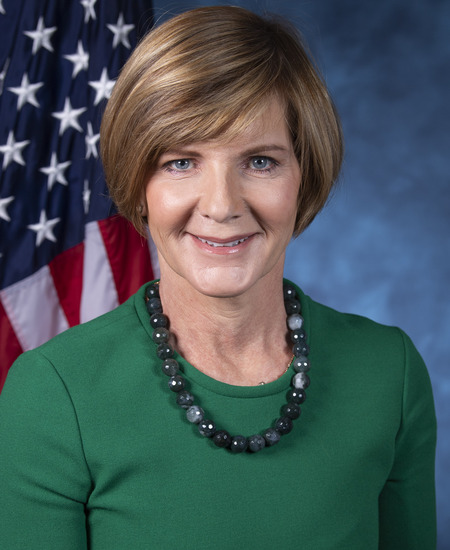
Rep. Susie Lee
Sponsored bills
Maddy summaryThis bill requires the Secretary of Agriculture or Interior (depending on land type) to issue federal guidance within 18 months recognizing recreational rock climbing, fixed anchors, and necessary climbing equipment as allowable activities in designated wilderness areas. The guidance must align with the Wilderness Act and other applicable laws, while ensuring public notice and comment for significant management changes (except short-term emergencies). It directly affects climbers and federal land managers overseeing National Forest System lands and Interior Department lands within wilderness areas. The bill does not alter existing wilderness regulations but mandates agencies to formally acknowledge climbing as a permitted activity.
Maddy summaryHR 10495, the Physicians for Underserved Areas Act, amends Medicare's rules for redistributing physician residency slots when a hospital closes. It requires that redistribution plans must now consider the likelihood of starting to utilize the positions within two years and filling them completely within five years. This change applies to hospitals closing on or after the bill's enactment date. The bill directly affects Medicare and closing hospitals by establishing specific timeframes for residency slot utilization, aiming to improve efficiency in filling these positions.
Maddy summaryThe MAPWaters Act requires federal agencies managing public waters (like the National Park Service, Bureau of Land Management, and Forest Service) to create standardized, digital maps and databases about water access rules. It mandates publishing online details on seasonal closures, equipment restrictions (e.g., motorized boats), fishing zones, boat ramp locations, and navigation data within 4 years. This directly helps recreational users - such as boaters, anglers, and hikers - by making complex access rules easier to find and understand. The bill does not change existing fishing or waterway regulations but requires agencies to update data regularly and allow public feedback on the information.
Maddy summaryHR 5401, the 9/11 Memorial and Museum Act, provides a one-time federal grant of $5 million to $10 million to the National September 11 Memorial & Museum (operated by the World Trade Center Foundation). The grant funds the museum's operations, security, and maintenance, with specific requirements including free admission for veterans, first responders, and victims' families, dedicated weekly free public hours, and annual financial audits. The museum must also report annually to Congress on how the funds were used. This bill directly affects the museum's financial operations and access policies, not broader legislative changes.
Maddy summaryThe Save Our Sequoias Act establishes a coordinated approach to protect giant sequoia groves in California from wildfires, insects, and drought. It creates a Giant Sequoia Lands Coalition including federal agencies, state governments, and the Tule River Indian Tribe to assess grove health, develop protection projects, and recommend forest management activities. The bill streamlines implementation of certain projects through categorical exclusion from environmental reviews, authorizes $10-40 million annually for conservation efforts, and establishes a fund for philanthropic support of sequoia protection.
Maddy summaryThis bill directs the Secretaries of the Interior and Agriculture to identify at least 10 existing long-distance bike trails (80+ miles, natural surfaces) and 10 new development areas for such trails on federal lands within 18 months. It requires public comment on trail identification, ensures new trails don’t conflict with existing uses like hiking or wilderness designations, and mandates maps, signage, and a public report within two years. The law specifically applies to mountain biking on federal recreational lands managed by these departments. It focuses on facilitating existing and planned trails without altering current land use rules or funding new construction.
Maddy summaryHR 10027, the Advanced Border Coordination Act of 2024, requires the Department of Homeland Security to establish at least two Joint Operations Centers along the southern U.S. border within six months of enactment. These centers will serve as unified hubs for federal, state, local, and tribal agencies to coordinate border operations, including deterring transnational crime, drug trafficking, human trafficking, and illegal crossings. Key provisions mandate centralized communication, personnel deployment tracking, and annual reporting to Congress on coordination effectiveness, resource use, and identified communication gaps. The bill directly affects border law enforcement agencies and aims to improve interagency collaboration on border security matters.
Maddy summaryThe PROVE IT Act of 2024 directs the U.S. Energy Secretary to study and publicly report on the greenhouse gas emissions intensity of key U.S. manufactured products (like steel, aluminum, lithium batteries, and critical minerals) compared to those produced in "covered countries" (including the EU, China, and major trading partners). It requires a transparent methodology for calculating emissions data, identifies gaps in existing data, and establishes a public online database showing U.S. emissions advantages for these products. The bill also mandates an annual report on foreign countries using forced labor or human rights abuses in the production of critical minerals or rare earths. Importantly, it clarifies the study does not create new taxes, fees, or mandatory reporting requirements.
Maddy summaryHR 8796, the "Stop Comstock Act," removes outdated restrictions from federal law that previously banned the distribution of materials related to contraception and abortion as "obscene" or "indecent." The bill amends Title 18 and the Tariff Act by deleting references to "indecent," "immoral," "unlawful abortion," and "procuring abortion" from provisions governing obscene materials. It clarifies that the law only prohibits "obscene materials" in commerce, eliminating broad restrictions on reproductive health information. This directly affects internet platforms, healthcare providers, and individuals sharing reproductive health resources by removing legal barriers to their distribution.