

Maddy summaryHR 6751 authorizes the U.S. Mint to produce commemorative coins honoring Roberto Clemente, a Hall of Fame baseball player and humanitarian, including 50,000 $5 gold coins, 400,000 $1 silver coins, and 750,000 half-dollar coins. The coins must feature Clemente's image and inscriptions like "Roberto Clemente" and "2027," with all sales including a surcharge ($5-$35 per coin) paid to the Roberto Clemente Foundation. The foundation, which supports youth sports, education, and disaster relief programs, will use these funds for its mission, while the U.S. Treasury must recover all production costs. The coins will be sold exclusively in 2027, with no net cost to the government.
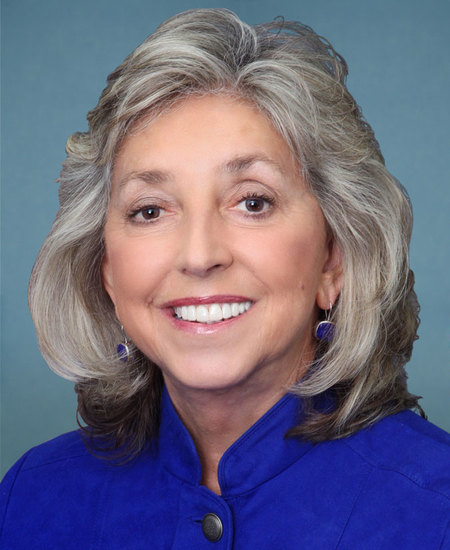
Rep. Dina Titus
Sponsored bills
Maddy summaryHR 1695, the *Strengthening Agency Management and Oversight of Software Assets Act*, requires all federal agencies to conduct a comprehensive assessment of their software licenses, contracts, and usage within one year of enactment. This assessment must detail current software inventories, costs (including hidden fees), interoperability, and license restrictions, and be submitted to agency leadership, the Office of Management and Budget (OMB), and Congress. Agencies must then develop a 120-day plan to consolidate software licenses, prioritize enterprise agreements, reduce costs, and improve software management - ensuring purchases avoid vendor favoritism and support interoperability. The OMB will create a government-wide strategy within two years to standardize these efforts, with annual budget reports tracking agency progress on software cost and management metrics.
Maddy summaryThis bill amends the Robert T. Stafford Disaster Relief Act to explicitly include substance use disorder and alcohol use disorder treatment in federal disaster relief funding. It expands access to addiction services for disaster survivors by requiring that mental health and counseling assistance programs funded under the Act cover these specific needs. Key provisions revise existing language to add "substance use disorder" and "alcohol use disorder" throughout the law, ensuring these services are directly eligible for disaster-related funding. The bill also mandates a federal report within 180 days to update application forms and guidance documents to reflect these changes, ensuring implementation aligns with the new provisions.
Maddy summaryThis bill requires the U.S. government to take specific actions to support peace in Sudan, including imposing sanctions on individuals and entities responsible for war crimes, crimes against humanity, and blocking humanitarian aid. It mandates the President to submit reports identifying those responsible for such actions and to impose sanctions against them, with exceptions for humanitarian aid. The bill establishes a Special Presidential Envoy for Sudan to coordinate U.S. diplomatic efforts and requires a comprehensive strategy to support civilian protection, humanitarian access, and inclusive peace processes. It includes specific provisions to empower Sudanese women and youth in peace processes and prohibits the sale of major defense equipment to countries supporting the Rapid Support Forces (RSF) or Sudanese Armed Forces (SAF).
Maddy summaryThis bill provides tax relief for U.S. nationals wrongfully detained or held hostage abroad by ignoring the time spent detained when calculating tax penalties, interest, and collection deadlines. It requires the State Department and Attorney General to identify affected individuals by 2025, enabling Treasury to refund penalties paid during detention periods. The bill also revokes tax-exempt status for organizations providing material support to terrorist groups, with a 90-day cure period before designation. These provisions apply to tax years ending after enactment for hostages and future designations for terrorist-supporting organizations.
Maddy summaryThe "Think Differently About Emergencies Act" (HR 6249) requires the Federal Emergency Management Agency (FEMA) to report to Congress within 120 days on how it supports individuals with intellectual or developmental disabilities and their families during major disasters. The report must detail FEMA’s resources, training, programs, and outreach efforts to states, localities, and nonprofits for these individuals. Within one year, FEMA and the Comptroller General must also review current assistance, identify legal barriers, and propose recommendations to improve support and streamline disaster recovery processes for people with disabilities.
Maddy summaryThe Restoring Benefits to Defrauded Veterans Act requires the Department of Veterans Affairs (VA) to repay the estates of deceased veterans for benefits that were paid to a fiduciary (such as a guardian or trustee) but then misused by that fiduciary. It applies specifically to veterans who died before receiving benefits intended for them, where a fiduciary diverted the funds. The law directs the VA to pay the estate directly - instead of the misusing fiduciary - for the misused amount, using existing procedures under VA law. This ensures families of deceased veterans can recover funds improperly taken by those managing the veteran’s finances.
Maddy summaryThe Working Dog Commemorative Coin Act (HR 807) directs the U.S. Treasury to mint three types of commemorative coins honoring working dogs' service: $5 gold coins, $1 silver coins, and half-dollar coins with specific weight and composition requirements. Each coin will carry a surcharge ($35 for $5 coins, $10 for $1 coins, $5 for half-dollars) that will be paid directly to America's VetDogs to support their programs providing service dogs for veterans, the disabled, and others. The coins will be issued in 2027 with designs reflecting working dogs' roles in military, detection, therapy, and assistance work. The legislation specifies that all surcharge revenue must fund America's VetDogs' operations without creating new government programs. This is a commemorative measure focused on honoring working dogs' contributions through coin sales, with all surcharge funds going to a specific nonprofit organization.
Maddy summaryH.J. Res. 226 would block a proposed U.S. military sale to the United Arab Emirates (UAE) of specific defense systems, including 259 rocket pods (holding 1,554 guided missiles) and 203 missile systems. The resolution prohibits the transfer of these defense articles and services to the UAE government by requiring congressional disapproval under the Arms Export Control Act. If passed, it would halt the sale described in Transmittal No. 20-79.
Maddy summaryThe Engage the Pacific Act establishes a new U.S. government committee to coordinate engagement with civil society organizations (like community groups, media, and environmental groups) across Pacific Island nations (including Fiji, Samoa, and Palau). It creates two key programs: the Indo-Pacific Media Advancement Program ($4 million annually) to strengthen independent journalism and counter disinformation, and the Pacific Islands TRADES Program ($10 million annually) to fund workforce training in sectors like tourism and fisheries. The bill requires reports from the State Department and USAID on American Spaces facilities, strategic communications, and how U.S. efforts align with Pacific priorities. These provisions directly affect U.S. agencies, Pacific Island civil society groups, and the delivery of U.S. foreign assistance in the region.