

Maddy summaryThe Puppy Protection Act of 2023 sets new standards for businesses that sell dogs (dealers), directly affecting pet stores and breeders operating under the Animal Welfare Act. It requires specific housing with space allowances based on dog size (e.g., 12-30 square feet per dog), temperature control (45-85°F), clean food twice daily, and daily exercise or socialization with humans/dogs for at least 30 minutes. The bill also mandates annual veterinary exams including dental care, strict breeding limits (e.g., age restrictions, maximum 2 litters in 18 months), and efforts to place retired breeding dogs in homes instead of selling them to other breeders. Regulations must be finalized within 18 months of enactment.
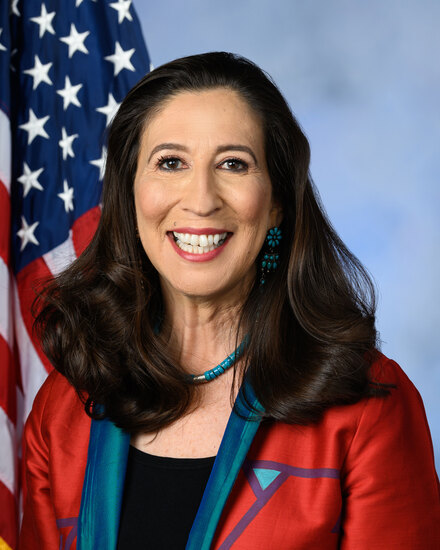
Rep. Teresa Leger Fernandez
Sponsored bills
Maddy summaryThis bill increases livestock indemnity payment rates from 75% to 100% of losses for ranchers affected by Mexican gray wolves. It creates a new emergency relief program to compensate livestock producers whose herds suffer losses due to wolf attacks, using a formula based on herd size, historical depredation rates, increased management costs, and reduced birth rates. The Secretary of Agriculture must develop this formula within 180 days and annually report on relief distribution to Congress. The program directly affects ranchers in states with wolf populations, providing financial support for verified wolf-related livestock losses.
Maddy summaryThis bill designates specific segments of rivers in New Mexico as "Wild and Scenic Rivers" under federal protection, including over 100 miles of river segments across 27 different waterways like the Gila River system. It withdraws federal lands within these designated segments from mining, mineral leasing, and other extractive activities while preserving existing water rights, grazing permits, and mining rights. The bill requires federal agencies to develop management plans and prepare maps of the designated segments, and includes specific provisions about native fish habitat restoration projects. It also modifies the boundaries of Gila Cliff Dwellings National Monument and Gila National Forest to transfer approximately 440 acres of land from the Forest Service to the National Park Service.
Maddy summaryHR 1351, the "Save Oak Flat From Foreign Mining Act," repeals Section 3003 of the 2015 National Defense Authorization Act, which had mandated transferring 2,422 acres of Oak Flat in Arizona’s Tonto National Forest to foreign-owned Resolution Copper for mining. The bill withdraws this land from all mining activities, preventing Resolution Copper from using destructive block cave mining that would destroy the sacred site and harm water resources. Oak Flat, a National Register-listed Traditional Cultural Property sacred to Indigenous tribes, would be protected from a mine projected to deplete 775,000 acre-feet of groundwater over 40 years and create a 4,000-acre toxic waste dump. The legislation directly affects Resolution Copper (owned by Rio Tinto and BHP) and aims to halt the project that would obliterate cultural resources and exacerbate regional water shortages.
Maddy summaryHR 2630, the Safe Step Act, requires group health plans and health insurance issuers to establish a clear, transparent process for patients or their doctors to request exceptions to medication step therapy protocols. These protocols typically force patients to try cheaper drugs first before covering more expensive alternatives. The bill mandates that plans must approve exceptions when prior treatments failed, delay would cause serious harm, a treatment is unsafe, or a patient is stable on a previously approved drug, with strict 72-hour (or 24-hour in emergencies) decision timelines. It also requires plans to publish the exception process online and limit documentation requests to only necessary medical information. This law directly affects health insurers, employers offering health plans, and patients using step therapy for prescription drugs.
Maddy summaryHJRES 54 proposes a constitutional amendment stating that only natural persons (human beings) have rights protected by the U.S. Constitution, explicitly denying constitutional rights to corporations, limited liability companies, and other artificial entities. It would require governments to regulate or restrict corporate political contributions and spending to ensure equal access to elections, mandate public disclosure of all political spending, and clarify that campaign finance rules do not violate the First Amendment. This amendment directly affects corporations and other artificial entities by removing their constitutional standing in legal challenges and subjecting their political activities to stricter government oversight. If passed, it would fundamentally change how corporations interact with election laws and constitutional protections, though it preserves press freedom under Section 3. The bill is a proposed amendment requiring ratification by 3/4 of state legislatures to become part of the Constitution.
Resident Physician Shortage Reduction Act of 2023 This bill increases the number of residency positions eligible for graduate medical education payments under Medicare for qualifying hospitals, including hospitals in rural areas and health professional shortage areas. Current law provides for an increase of up to 200 positions per fiscal year beginning in FY2023, with a total increase of 1,000 positions; each hospital may receive up to 25 additional positions. Current law also provides for an additional increase of up to 200 positions for FY2026, with at least 100 of these positions for psychiatry or related specialties; each hospital may receive up to 10 additional positions. The bill provides for an additional increase of 2,000 positions per fiscal year from FY2025-FY2031; during this period, each hospital may receive up to 75 additional positions in total under the bill and current law. Additionally, one-third of the positions that are made available under the bill must be allocated to hospitals that are already operating above applicable resident limits. The bill also requires the Government Accountability Office to report on strategies to increase the diversity of the health professional workforce, including with respect to representation from rural, low-income, and minority communities.
Maddy summaryThe Women's Health Protection Act of 2023 would protect access to abortion services by prohibiting states from imposing restrictions that are more burdensome than those for comparable medical procedures. The bill would ensure people can obtain abortion services before fetal viability without unnecessary limitations like mandatory waiting periods or biased counseling, and after viability when necessary to protect the patient's life or health. It would preempt state laws that conflict with these protections and allow for civil enforcement actions to challenge restrictive state laws. This bill directly affects people seeking abortion services (including transgender and nonbinary individuals who can become pregnant), health care providers, and states that have implemented abortion restrictions.
Maddy summaryThis resolution (HRES 279, introduced April 6, 2023) designates April 10 as "Dolores Huerta Day" to symbolically honor Dolores Huerta's civil rights work. It recognizes her role co-founding the farm workers movement, advocating for labor rights (including the California Agricultural Labor Relations Act), promoting women's equality, and originating the "Sí Se Puede" slogan. The resolution has no binding policy effect - it is purely commemorative, celebrating her legacy without creating new laws or affecting any group directly. It was introduced by multiple House members as a formal expression of support for her contributions to social justice.
Maddy summaryHR 2403, the Enhanced Background Checks Act of 2023, modifies federal firearm background check procedures to address delays. It requires firearm licensees to wait at least 10 business days after a prospective buyer submits a petition verifying they are not prohibited from owning firearms before completing a sale, if the background check system hasn't cleared the transaction. The bill also mandates the Attorney General to create an electronic petition form, provide timely responses to petitions, and track delays. Additionally, it requires multiple reports analyzing implementation, transaction delays, denial reasons by state, and potential impacts on domestic violence victim safety, with the first report due within 150 days of enactment.