

Maddy summaryHR 2370, the Access to AEDs Act, authorizes $25 million in federal funding (2024-2028) to help public elementary and secondary schools improve access to automated external defibrillators (AEDs) and CPR training. The bill directs the Secretary of Health and Human Services to award grants to school districts and partners for developing AED programs, training staff and students, purchasing and maintaining AEDs, and creating cardiac emergency response plans. It specifically targets schools to address sudden cardiac arrest (SCA), which is a leading cause of death among student athletes and youth, with 90% of SCA victims dying without immediate CPR and defibrillation. The law requires grantees to report on their activities and establishes a clearinghouse to collect data on school AED access and costs.
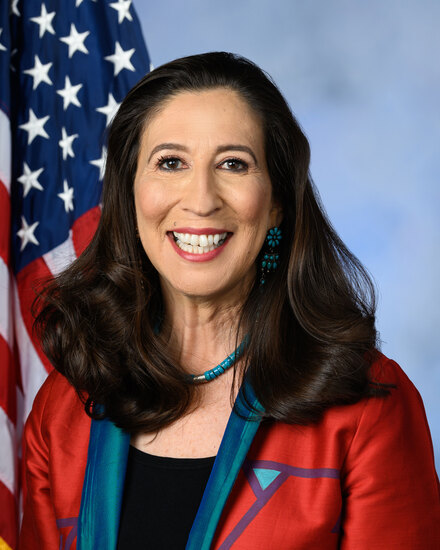
Rep. Teresa Leger Fernandez
Sponsored bills
Maddy summary# Summary of the National Apprenticeship Act of 2023 This proposed legislation establishes a comprehensive framework to modernize and expand apprenticeship programs in the United States, creating a National Apprenticeship System designed to address current workforce needs and increase opportunities for underrepresented populations. ## Key Provisions ### System Framework - Establishes clear quality standards for apprenticeship, pre-apprenticeship, and youth apprenticeship programs - Requires programs to meet specific criteria including: - Minimum 2,000 hours of on-the-job learning (with flexibility for some occupations) - Structured related instruction (minimum 144 hours per year for time-based programs) - Progressive wage scales - Safety training and equipment - Equal opportunity for participation ### Program Types - **Apprenticeship Programs**: Time-based, competency-based, or hybrid models for full-time workers - **Pre-apprenticeship Programs**: Designed to prepare individuals without meeting minimum qualifications for apprenticeship - **Youth Apprenticeship Programs**: For high school students, integrating academic and work-based learning ### Diversity & Inclusion Requirements - Requires programs to actively recruit and support nontraditional apprenticeship populations: - Women, minorities, individuals with disabilities - Long-term unemployed - Individuals impacted by the criminal or juvenile justice system - Foster and former foster youth - Individuals with barriers to employment ### Registration & Oversight - Requires formal registration of programs with a registration agency - Mandates annual performance data collection and reporting - Establishes procedures for program review, technical assistance, and deregistration ### Grant Program (Title II) - Authorizes $4 billion over five years ($400M-$800M annually) for competitive grants - Funds will support: - Creation and expansion of apprenticeship programs in high-demand sectors - Encouraging employer participation, particularly with small- and medium-sized businesses - Supporting intermediaries (national and local) - Strengthening educational alignment with secondary and postsecondary systems ### Evaluation Requirements - Mandates independent evaluations of grant programs - Requires collection of disaggregated data by program type and demographic factors - Focuses on measuring outcomes including: - Program completion rates - Employment rates in related fields - Wage growth - Increased participation of underrepresented groups ### Conforming Amendments - Repeals outdated sections of the American Competitiveness and Workforce Improvement Act of 1998 - Amends the Immigration and Nationality Act to align with the new apprenticeship system This legislation represents a significant investment in workforce development, aiming to create a more inclusive, high-quality apprenticeship system that responds to 21st-century labor market needs while expanding opportunities for historically underrepresented groups.
Maddy summaryThis bill reauthorizes $150 million annually in federal funding for diabetes prevention and treatment programs serving American Indian and Alaska Native communities, extending the existing program through fiscal year 2028. It directly affects tribal health programs and Native American communities by ensuring continued access to critical diabetes care services. The key provision adds a new funding allocation of $150 million per year for 2024-2028 to the Public Health Service Act, with funds remaining available until fully spent. This maintains current program levels without altering eligibility or service requirements.
This bill expresses the sense of Congress that (1) medication abortion is appropriately approved and regulated under federal law, and (2) federal law preempts any in-person dispensing requirements or telehealth restrictions with respect to medication abortion under state law.
Maddy summaryThis bill extends the Special Diabetes Program for Type 1 diabetes through 2028, continuing existing federal funding that supports research, prevention, and treatment initiatives. It directly affects people living with Type 1 diabetes by ensuring ongoing access to critical resources funded under the Public Health Service Act. The key provision amends Section 330B(b)(2)(D) to update the program's funding period from ending in 2023 to ending in 2028. This is a straightforward reauthorization of current funding levels without new program requirements or eligibility changes.
Maddy summaryThe Dignity for Detained Immigrants Act establishes new standards for Department of Homeland Security detention facilities, requiring them to meet or exceed the American Bar Association's Civil Immigration Detention Standards. The bill mandates annual, unannounced inspections by the DHS Inspector General, public reporting on facility compliance, and a phased-out timeline for private detention facilities (phasing out by 3 years after enactment). It prohibits solitary confinement for all detainees, requires community-based alternatives to detention for vulnerable individuals, and mandates detailed public reporting on facility conditions, staffing, and detainee demographics. The legislation directly affects all immigrants held in DHS custody, including children, vulnerable persons, and primary caregivers, with specific protections for these groups in detention procedures.
American Innovation and R&D Competitiveness Act of 2023 This bill eliminates the five-year amortization requirement for research and experimental expenditures, thus allowing continued expensing of such expenditures in the taxable years in which they are incurred.
Maddy summaryHRES 269 is a non-binding resolution passed by the U.S. House of Representatives on March 30, 2023. It recognizes the federal government's duty to develop and implement a Transgender Bill of Rights to protect transgender and nonbinary people. The resolution outlines key provisions, including ensuring access to gender-affirming medical care, ending discrimination in employment and housing, and improving legal recognition of gender identity on government documents. It also calls for addressing systemic barriers in education, safety, and economic security faced by transgender and nonbinary individuals.
Maddy summaryHR 2725, the "Do No Harm Act," amends the Religious Freedom Restoration Act (RFRA) to clarify that RFRA does not apply when federal laws protect against discrimination or promote equal opportunity. It specifically exempts protections under the Civil Rights Act, Americans with Disabilities Act, workplace benefits like leave, child labor safeguards, and healthcare access from RFRA challenges. The bill also clarifies that RFRA does not block private lawsuits between individuals, applying only to cases involving government entities. This amendment ensures that existing federal civil rights and workplace protections remain enforceable under RFRA.
Maddy summaryThe Latonya Reeves Freedom Act of 2023 strengthens the Americans with Disabilities Act's requirement that individuals with disabilities receive long-term services and supports in community settings rather than institutions. It defines "community-based" services to include specific housing options where individuals with disabilities can live independently with maximum control over their lives, including access to integrated housing, employment, and community participation. The bill requires states to develop transition plans to move people from institutional settings to community-based services within 12 years, with measurable annual targets for reducing institutionalization. It establishes enforcement mechanisms through the Department of Justice and Department of Health and Human Services to ensure compliance with these requirements.