

Maddy summaryHRES 762 is a non-binding House resolution expressing congressional support for increasing Latino representation in science, technology, engineering, and mathematics (STEM) careers. It highlights that Latinos make up 18% of the U.S. workforce but only 8% of STEM workers, despite growing population and interest in STEM fields. The resolution cites challenges like unmet financial needs (70% of Latino students) and notes STEM job growth (10.8%) outpaces non-STEM sectors. It formally acknowledges the underrepresentation in STEM, encourages federal support for initiatives targeting Latino students, and recognizes Hispanic-serving institutions' role - without creating new programs or funding.
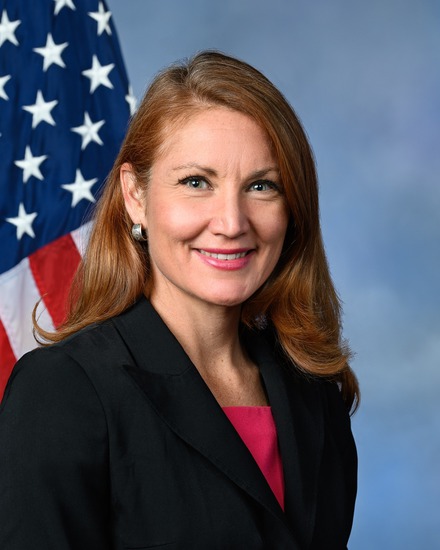
Rep. Melanie A. Stansbury
Sponsored bills
This resolution supports the designation of National Wildlife Refuge Week. The resolution acknowledges the importance of national wildlife refuges for their recreational opportunities and contribution to local economies. Finally, the resolution reaffirms the support of the House for wildlife conservation and the National Wildlife Refuge System.
Maddy summaryThe Safe Schools Improvement Act (HR 6031) requires public elementary and secondary schools to implement comprehensive anti-bullying policies that specifically prohibit harassment based on protected characteristics like race, gender identity, disability, religion, and sexual orientation. It mandates schools to collect and publicly report annual data on bullying incidents while establishing clear grievance procedures for students and parents. The bill also requires states to submit biennial reports on school compliance and supports evidence-based interventions, such as restorative practices, to reduce exclusionary discipline. This legislation directly affects all public K-12 schools and students in the U.S., aiming to create safer learning environments through standardized policy requirements and data transparency.
Keeping Drugs Out of Schools Act of 2023 This bill allows the Office of National Drug Control Policy to award grants for eligible entities to implement school-community partnerships for preventing and reducing substance use and misuse among youth. Eligible entity refers to a coalition that (1) is a Drug-Free Communities funded coalition on or before the date on which the coalition submits a grant application, and (2) has a memorandum of understanding in effect with not less than one local school to establish a school-community partnership.
Maddy summaryHR 5943, the Pecos Watershed Protection Act, withdraws approximately 11,600 acres of federal land in New Mexico’s Pecos Watershed from mineral development and designates it as the Thompson Peak Wilderness Area under the National Wilderness Preservation System. The bill prohibits new mining claims, mineral leasing, and public land entry on this land while allowing existing grazing and wildlife management under state authority. It explicitly states that the wilderness designation does not create buffer zones or restrict non-wilderness activities visible from within the area. The law requires the Forest Service to administer the wilderness per existing federal rules, with a map filed for public review after enactment.
Maddy summaryHR 5929, the Permanently Authorizing PILT Act, makes the Payment in Lieu of Taxes (PILT) program permanent by changing federal law to require annual payments to local governments for every fiscal year, rather than limiting it to fiscal year 2019. This program compensates counties and local areas with significant federal land (like national forests or parks) for lost tax revenue they cannot collect from federal property. The bill directly affects local governments in 39 states that receive PILT payments, ensuring consistent funding without annual legislative renewals. It does not alter payment amounts or eligibility but removes the need for repeated annual authorizations.
Maddy summaryThe Rail Worker and Community Safety Act establishes a minimum 2-person crew requirement for most freight trains (with exceptions for smaller carriers or specific low-risk operations), mandates new safety regulations for hazardous materials transportation including advance notification to emergency response agencies, and requires rail carriers to provide employees with earned paid sick time (1 hour for every 30 hours worked). The bill also sets a minimum requirement of 425 federal rail safety inspectors with specialized expertise across various safety domains, along with additional funding for hiring and compensation. These provisions directly affect rail carriers, rail workers, and communities near rail operations, aiming to enhance rail safety and worker protections through concrete policy changes.
Maddy summaryHRES 754 is a symbolic House resolution recognizing the heritage, culture, and contributions of Latinas in the United States. It highlights Latinas' roles in business (owning over 2 million businesses), military service (45,710 active duty), arts (Oscar-winning artists like Rita Moreno), and public service, while noting persistent challenges like the 57-cent pay gap. The resolution does not create new laws or policies but formally honors these contributions and acknowledges the need for further progress toward equality. It was introduced by multiple representatives and referred to the Committee on Oversight and Accountability.
Maddy summaryThis bill ensures continued funding for key housing assistance programs during government shutdowns. It appropriates necessary funds for fiscal year 2024 to maintain rental assistance under five specific programs at 2023 rates, including Section 8 housing choice vouchers, project-based rental assistance, and supportive housing for the elderly and disabled. The funding applies automatically during any lapse in discretionary appropriations starting after the bill's enactment. This directly affects low-income renters enrolled in these programs, preventing disruptions to their housing stability during federal funding gaps. The bill does not change eligibility or benefit levels - it only guarantees existing funding continues through shutdowns.
Maddy summaryThis bill replaces "Columbus Day" with "Indigenous Peoples’ Day" as the official federal holiday observed on the second Monday in October. It directly affects federal government operations and all federal documents, rules, or laws that previously referenced "Columbus Day" by automatically updating those references to "Indigenous Peoples’ Day" upon enactment. The key mechanism is a simple amendment to federal law (5 U.S.C. § 6103(a)) to change the holiday name and a provision ensuring all existing federal references to Columbus Day are legally treated as referring to Indigenous Peoples’ Day instead. This is a procedural change to federal holidays and references, not a new policy or program.