

Maddy summaryThis bill amends USDA conservation programs to prioritize habitat connectivity for native wildlife, particularly big game species like deer, elk, and moose. It allows ranchers with grasslands enrolled in the Conservation Reserve Program to receive cost-share payments for practices that restore wildlife migration corridors and habitat connectivity, while preserving emergency grazing access. The bill increases payment limits for conservation programs and requires incorporating nonstructural methods like virtual fencing into conservation standards. It also directs research funding to study virtual fencing technology's effects on sensitive habitats and big game corridors. These changes directly affect agricultural landowners participating in USDA conservation programs.
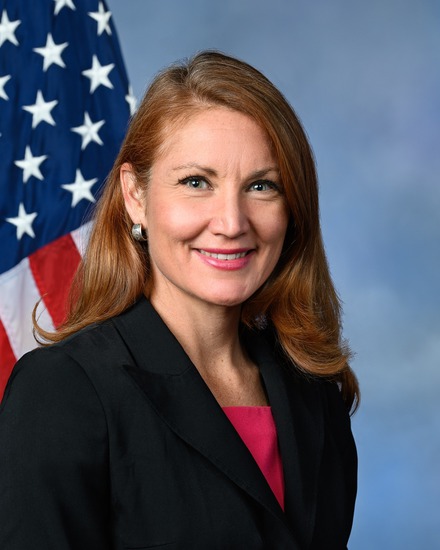
Rep. Melanie A. Stansbury
Sponsored bills
Maddy summaryHR 8098, the Judicial Ethics Enforcement Act of 2024, creates an independent Office of Inspector General (IG) for the federal judicial branch (excluding the Supreme Court) to investigate misconduct complaints against judges and court staff. The IG would conduct audits, prevent fraud, and report findings to the Chief Justice and Congress, but cannot investigate court decisions or discipline judges. Key provisions include the IG’s authority to subpoena records and require testimony, while explicitly prohibiting oversight of case merits or judicial punishment. The bill establishes strict limits on the IG’s scope to ensure judicial independence, with the Chief Justice appointing the IG after congressional consultation.
Maddy summaryThis bill requires the EPA to establish new water quality standards and discharge limits for PFAS chemicals (like "forever chemicals") within strict deadlines. It mandates the EPA to publish human health criteria by 2027 and set industry-specific discharge limits for targeted sectors (e.g., chemical manufacturing, electroplating, landfills) by 2025-2027. The bill also requires immediate monitoring of PFAS discharges from these industries and wastewater treatment facilities, and allocates $200 million annually (2024-2028) to help treatment works address PFAS contamination. These changes directly affect regulated industries, wastewater systems, and communities near water sources contaminated by PFAS.
Maddy summaryHR 8061, the Crime Victims Fund Stabilization Act of 2024, ensures stable funding for the Crime Victims Fund by directing certain False Claims Act collections into it from 2024 through 2029. Specifically, it adds a provision requiring that amounts collected under the False Claims Act (excluding whistleblower rewards and government reimbursement for damages) be deposited into the fund during this period. This directly affects crime victims who rely on the fund for services like counseling and emergency aid, as it prevents potential shortfalls in funding. The bill makes a concrete policy change by redirecting specific federal civil penalties into the fund, rather than altering the fund's existing purposes or eligibility rules.
Maddy summaryThis bill establishes a federal grant program to expand digital skills training for workers in in-demand industries. It directly affects states, workforce systems, and individuals with barriers to employment - particularly those with low digital literacy (high school diploma or less, low earnings, or limited English proficiency). States receive funding based on population metrics to support digital skills training through subgrants to local providers, prioritizing workers with employment barriers. The program requires detailed reporting on outcomes, including disaggregated data by demographics, and mandates public sharing of results. It aims to build "digitally resilient" systems and individuals by aligning training with industry needs and existing state digital equity plans.
Maddy summaryHR 5530, the VA Emergency Transportation Access Act, prevents the Department of Veterans Affairs (VA) from lowering payment rates for specialized transportation used by veterans and eligible individuals (like ambulances or wheelchair vans) without strict requirements. It mandates that any rate change that could reduce access to care must first undergo a detailed review analyzing economic impacts on the VA and transportation industry, and ensure the new rate covers actual costs. The VA must also develop a formal process for rate changes and consult with industry experts, veterans' groups, and healthcare agencies before implementing such changes. This bill directly affects veterans relying on specialized transportation for medical care, particularly those in rural or underserved communities, by safeguarding their access to necessary emergency transport services.
Maddy summaryHR 3303, the Maternal Health for Veterans Act, requires the Department of Veterans Affairs (VA) to annually report on maternity care coordination programs and maternal health outcomes for veterans receiving care through VA facilities or VA-contracted providers. The bill mandates the VA to collect data on maternal outcomes - including disparities affecting high-risk demographic groups - and submit recommendations to Congress by September 2028. It authorizes $15 million annually (2024-2028) for VA maternity care coordination programs, supplementing existing funding without reducing current resources. The law directly affects veterans using VA maternity services, aiming to improve care through data-driven strategies.
Maddy summaryHRES 1145 is a non-binding resolution recognizing April as "Community College Month" to celebrate over 1,000 U.S. community colleges. It highlights these institutions' role in providing affordable higher education, workforce training, and economic support - serving 10 million students annually and contributing significantly to national prosperity. The resolution cites their impact, including generating $898 billion in added income and returning $6.80 in tax revenue per public dollar invested. This symbolic gesture aims to acknowledge community colleges' nationwide contributions without creating new policies or funding.
Maddy summaryHR 8005, the Child Exploitation and Artificial Intelligence Expert Commission Act of 2024, establishes a 13-member commission to investigate how artificial intelligence is used in child exploitation crimes and recommend solutions to improve law enforcement's ability to prevent, detect, and prosecute such crimes. The commission, appointed by congressional leaders with expertise in law enforcement, AI, or child welfare, must submit a final report to Congress within two years detailing findings and recommendations for legal or technical improvements. This bill does not create new laws but focuses on identifying legal barriers and developing actionable solutions for law enforcement agencies. The commission will operate independently without federal government employees serving as members.
Maddy summaryHRES 1136 is a non-binding House resolution expressing support for designating April 2024 as "Parkinson’s Awareness Month." It highlights that Parkinson’s disease affects over 1 million people in the U.S. annually, causes significant health impacts, and requires increased research and support. The resolution urges continued funding for Parkinson’s research, recognizes individuals participating in clinical trials, and commends organizations aiding those living with the disease and their caregivers. This resolution has no legal effect but aims to raise public awareness and support for Parkinson’s advocacy efforts.