Maddy summaryHR 8501 prohibits the U.S. government from issuing licenses to export certain defense articles to the United Arab Emirates (UAE) or its agencies. This ban takes effect immediately upon the bill's enactment and continues until the President certifies to Congress that the UAE has stopped providing material support to Sudan's Rapid Support Forces (RSF). The restriction applies specifically to military equipment listed in Categories I-VIII, XIV, XVI-XVIII of the U.S. Munitions List (e.g., weapons, vehicles, and related technology). The bill directly affects U.S. defense exporters and the UAE government, requiring congressional oversight before exports can resume.
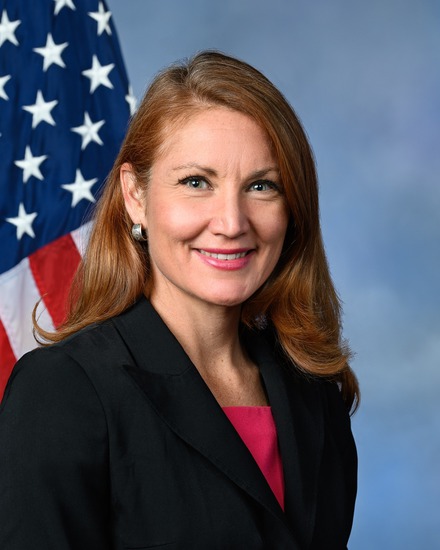
Rep. Melanie A. Stansbury
Sponsored bills
Maddy summaryHR 8469, the Diverse Cybersecurity Workforce Act of 2024, requires the Cybersecurity and Infrastructure Security Agency (CISA) to establish a new program within its existing education initiative. The program targets underrepresented groups in cybersecurity, including racial and ethnic minorities, women, veterans, people with disabilities, older individuals (40+), those from low-income backgrounds, and people with nontraditional educational paths (like community colleges or HBCUs). CISA must tailor outreach to schools, unions, community colleges, and local workforce offices to promote cybersecurity careers in these communities. The bill authorizes $20 million annually (2025-2030) and mandates annual reports to Congress on the program's impact on workforce diversity.
Maddy summaryHR 8485, the "No Foreign Emoluments Without Congressional Consent Act," prohibits senior federal officials - including the President, Vice President, Cabinet members, Members of Congress, and high-level presidential staff - from accepting foreign payments (such as from foreign governments or entities controlled by them) without prior congressional approval. It requires officials to submit detailed written notices to the Office of Government Ethics before accepting such payments, triggering a 90-day congressional review period during which Congress must approve via a specific concurrent resolution. The bill covers payments received during official service and for two years after leaving office, with strict penalties including civil fines up to $5,000 plus the payment's value or criminal charges for violations. Excluded are standard gifts or decorations under existing law and certain large investment entities meeting specific SEC criteria.
Maddy summaryHR 8376, the Latino Youth Mental Health Empowerment Act, aims to address mental health disparities affecting Hispanic and Latino youth by requiring a national awareness campaign and two key studies. The bill mandates a $5 million campaign (2025-2029) to combat stigma and increase access to culturally competent mental health resources for youth, parents, and school staff through materials, workshops, and screenings. It also requires a study on mental health barriers and suicide rates (with a report to Congress within one year) and a separate study on the shortage of Hispanic/Latino mental health professionals, both requiring disaggregated data by race, ethnicity, and other factors. The bill directly targets Hispanic and Latino youth - facing higher rates of depression, suicide contemplation, and lower treatment access - by focusing on outreach, service improvements, and workforce development.
Maddy summaryThis bill directs the U.S. Department of Health and Human Services to issue guidance to states within one year on using Medicaid and CHIP programs to boost the pediatric mental health workforce. It requires states to implement strategies focused on recruiting and retaining pediatric mental health providers (including in rural/underserved areas and for racial/ethnic minorities), improving care for limited English proficiency patients, expanding telehealth services, and offering incentives like better reimbursement or student loan repayment. The guidance must cover specific approaches such as integrated care models and training for providers. States must report on implementing these strategies to Congress within two years. The bill directly affects states administering Medicaid/CHIP and pediatric mental health providers serving children.
Maddy summaryHR 8400, the Early Detection of Vision Impairments for Children Act of 2024, provides federal funding to states and tribal entities to establish statewide programs for early vision screening and intervention in children. It directly affects children - especially those in rural or underserved communities - by requiring states to implement vision screenings in medical, home, and educational settings, develop data systems to track outcomes, and reduce disparities in access to eye care. The bill authorizes $5 million annually (2025-2029) for grants covering activities like evidence-based screening, public awareness campaigns, and coordination with Medicaid and school programs. States must submit annual reports on program outcomes, ensuring transparency and accountability in improving children’s vision health.
Maddy summary# Summary of Legislative Text This is a comprehensive legislative proposal focused on addressing substance use disorder through public health approaches, with significant funding and program requirements. Key elements include: 1. **Major Funding Programs:** - **Subtitle A (Local Grants):** $3.0 billion annually (2024-2033) for local entities to provide prevention, treatment, and recovery services - **Subtitle B (State/Regional Grants):** $4.6 billion annually (2024-2033) for state-level programs - **Subtitle C (Other Grants):** $1.0 billion annually (2024-2033) for specific entities and underserved populations - **Subtitle D (Innovation/Training):** $1.5 billion annually (2024-2033) for training, research, and capacity building 2. **Key Program Requirements:** - Mandates for evidence-based treatment services across multiple levels of care - Requirements for cultural competency, particularly for Native American communities - Specific focus on harm reduction, prevention, and recovery support - Provisions for naloxone distribution and overdose reversal programs 3. **Regulatory Changes:** - New certification requirements for covered manufacturers, distributors, and dispensers of Schedule II controlled substances - Penalties for failure to submit certifications or submitting false certifications - Creation of a "Comprehensive Addiction Resources Fund" for penalty revenues 4. **Focus Areas:** - Prevention services (including trauma-informed approaches) - Early intervention services - Recovery support services - Harm reduction programs - Workforce development for treatment providers - Special attention to underserved populations (rural communities, racial minorities, formerly incarcerated individuals) 5. **Funding Priorities:** - 10% of funds for Native American communities - Specific requirements for cultural competency and language access - Mandated data collection and reporting systems This legislation represents a significant shift toward public health approaches to substance use disorder, emphasizing prevention, treatment, and recovery support rather than punitive measures, with substantial funding commitments over a decade.

Maddy summaryThe Public Service Freedom to Negotiate Act of 2024 establishes federal minimum standards for collective bargaining rights for public employees and supervisory employees. The Federal Labor Relations Authority will determine if each state's laws "substantially provide" for these rights, and if not, federal standards will apply to that state. These standards include the right to self-organization, collective bargaining, recognition of labor organizations, and procedures for resolving disputes. The bill preserves existing collective bargaining agreements and excludes certain employee categories like emergency services workers from some provisions.
Maddy summaryThis bill updates federal research funding by directing the National Science Foundation (NSF) to prioritize two new areas of study: the impact of harmful childhood experiences (like abuse or neglect) and how toxic stress affects youth mental health. It amends existing law to require NSF-funded suicide prevention research to include these specific topics. The bill directly affects NSF research programs and grants focused on youth mental health, ensuring future studies systematically examine these factors. The change is limited to research priorities - no new funding or direct services are created.
Maddy summaryHRES 1206 is a symbolic House resolution supporting the designation of May 2024 as "Mental Health Awareness Month." It does not create new laws or funding but aims to raise public awareness about mental health challenges, emphasizing the need to reduce stigma and treat mental well-being as equally important as physical health. The resolution cites statistics on rising mental health crises - including increased anxiety, depression, and suicide rates among youth, LGBTQ+ individuals, veterans, and communities of color - to underscore the urgency of the issue. It encourages nationwide efforts to promote mental health awareness and access to care during this designated month.