

Maddy summaryHR 9168, the Plug Offshore Wells Act, requires the U.S. Department of the Interior to issue annual reports starting two years after the law's enactment. These reports must detail the number of decommissioning applications received, wells/platforms not decommissioned on time, approvals for decommissioning in place, pipeline removal status, and enforcement actions related to offshore oil and gas operations. The reports will be submitted to Congress and made publicly available online. This bill directly affects the Department of the Interior's reporting obligations and provides transparency on offshore decommissioning compliance.
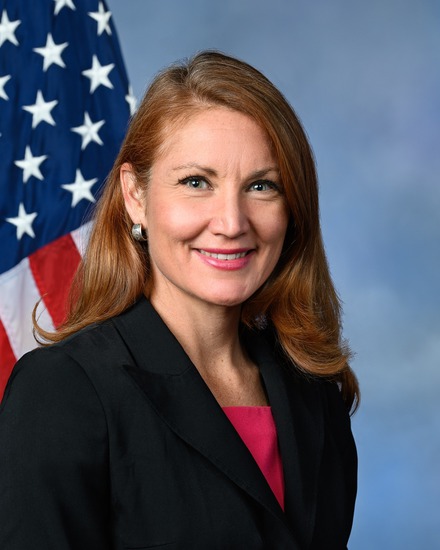
Rep. Melanie A. Stansbury
Sponsored bills
Maddy summaryH.J. Res. 193 proposes a constitutional amendment to eliminate legal immunity for federal officials, including the President, from criminal prosecution for actions taken while performing official duties. It also prohibits the President from granting a pardon to themselves. The amendment would apply to all federal officers (such as the President, Vice President, and members of Congress) except for Congress members acting in their legislative role as defined in the Constitution. If ratified by 38 states, this change would become part of the U.S. Constitution, requiring no further congressional action.
Maddy summaryHR 9118 would cancel all federal oil and gas leases held by companies found by the Federal Trade Commission (FTC) to have coordinated with OPEC or OPEC+ countries to manipulate oil or gas prices in violation of federal antitrust laws. If the FTC issues a final order confirming such violations, the Secretary of the Interior must automatically cancel those leases and prohibit the company from bidding on new federal leases. The bill directly affects oil and gas companies that violate antitrust laws through market manipulation with OPEC nations. It creates a direct mechanism for lease cancellation based on FTC findings, without requiring new legislation for each case.
Maddy summaryHRES 1375 is a non-binding resolution recognizing extreme weather as a critical threat to children's health and well-being, emphasizing that children face unique vulnerabilities due to their developing bodies, higher exposure to pollutants, and heightened risks during events like heatwaves, wildfires, and poor air quality. It expresses Congress's view that solutions must be developed and deployed rapidly and equitably, with specific attention to children's physical and mental health needs. The resolution suggests concrete measures such as improved air filtration in schools, accessible public alerts for extreme heat, expanded cooling centers, and better infrastructure for child-friendly emergency spaces, though it does not create new laws or mandates.
Maddy summaryHR 9104, the Access to Birth Control Act, requires pharmacies that normally stock contraception to provide birth control or related medications without delay if in stock, or immediately offer alternatives like referrals to other pharmacies or expedited orders if unavailable. It prohibits pharmacists from intimidating customers, misrepresenting availability, breaching confidentiality, or refusing to fill valid prescriptions for birth control. Pharmacies violating these rules face civil penalties up to $1,000 per day or private lawsuits. The law specifically applies to pharmacies that routinely carry contraception and excludes cases where a valid prescription is missing or payment cannot be made. It aims to address documented refusals to dispense birth control, particularly following the Dobbs decision.
Maddy summaryThis bill establishes a water rights settlement for the Navajo Nation regarding the Rio San José Stream System in New Mexico. It ratifies an agreement between the Navajo Nation, the State of New Mexico, and other parties to resolve longstanding water rights claims, creating a $200 million trust fund to support water infrastructure and management. The bill confirms that Navajo water rights will be held in trust by the U.S. government, ensures these rights cannot be lost through non-use, and includes waivers of certain water claims in exchange for the settlement. The settlement becomes effective only after specific conditions are met, including court approval and deposit of funds into the trust fund. The bill also protects the water rights of individual land allottees within the system, ensuring their rights remain separate from the Navajo Nation's water rights.
Maddy summaryThis bill establishes a final settlement for the Zuni Indian Tribe's water rights in the Zuni River Stream System, directly affecting the Tribe, the State of New Mexico, and federal agencies. It ratifies a 2023 agreement, creates a $655.5 million Trust Fund for water infrastructure development and management, and withdraws federal land to protect Zuni Salt Lake and Sanctuary. The bill confirms tribal water rights held in trust by the United States, includes waivers of past claims by the Tribe and the U.S. as trustee, and specifies how water rights will be managed for the Tribe and allottees. It also establishes environmental compliance requirements and land management provisions for the protected areas.
Maddy summaryThe Ohkay Owingeh Rio Chama Water Rights Settlement Act of 2024 resolves long-standing water rights claims for the Ohkay Owingeh Pueblo (a federally recognized Native American nation) in New Mexico's Rio Chama Stream System. The Act ratifies a settlement agreement between the Pueblo, the State of New Mexico, and other parties, establishing a $745 million Trust Fund to support water infrastructure, bosque restoration, and water rights management. It includes a release of most historical water rights claims by the Pueblo in exchange for recognized water rights, while reserving certain environmental and water quality claims. The settlement requires specific conditions to be met by an Enforceability Date before implementation can begin.
Maddy summaryHR 6599 authorizes specific interest payments to three existing water settlement funds established under previous laws. It directs $6.36 million to the Navajo Nation Water Resources Trust Fund, $7.79 million to the Taos Pueblo Water Development Fund, and $4.31 million to the Aamodt Settlement Pueblos’ Fund. These payments correct technical errors in the original settlement acts and cover costs related to water system operations and maintenance. The bill does not create new programs or change existing obligations - it only adjusts funding for previously authorized settlements.
Maddy summaryThis bill amends the Navajo-Gallup Water Supply Project Act to update definitions, expand the service area to include additional communities in New Mexico and Arizona, and establish a "Deferred Construction Fund" for delayed project facilities. It increases the authorized funding to $2.175 billion for fiscal years 2009-2029 and creates three trust funds to manage water resources development, operations/maintenance, and specific needs of the Jicarilla Apache Nation. The bill directly affects the Navajo Nation, Jicarilla Apache Nation, and the City of Gallup by changing how water infrastructure is funded, managed, and expanded. It updates environmental review terminology to "Final Environmental Impact Statement" and clarifies tax treatment for water facilities on tribal versus non-tribal land.