

Maddy summary# Summary of the Agriculture Resilience Act of 2025 This comprehensive legislative proposal aims to transform U.S. agricultural systems to be more resilient, sustainable, and climate-smart while addressing food waste and improving food safety labeling. ## Key Provisions ### Conservation & Climate Resilience - **Conservation Reserve Program** (Section 504): Expands enrollment targets through 2030 and establishes a new "Grassland 30" contract option for long-term grassland conservation. - **Private Grazing Land Conservation** (Section 503): Focuses on soil health, climate resilience, and transitioning from confinement systems to managed grazing systems. - **Alternative Manure Management Program** (Section 505): Supports dairy and livestock producers in adopting practices that reduce methane emissions and improve carbon sequestration. ### Renewable Energy - **Rural Energy for America Program** (Section 601): Expands to support renewable energy development and greenhouse gas emissions reductions. - **Agrivoltaic Systems** (Section 602): Mandates research on integrated solar energy and agricultural production systems. - **AgSTAR Program** (Section 603): Maintains and expands the anaerobic digestion program to reduce methane emissions from livestock waste. ### Food Loss & Waste Reduction - **Standardized Food Date Labeling** (Section 701-705): Establishes uniform "BEST If Used By" (quality date) and "USE By" (discard date) phrases to reduce confusion and food waste. - **Composting as Conservation Practice** (Section 711): Officially recognizes composting as a conservation practice under USDA programs. - **Federal Food Donation Act Amendments** (Section 712): Requires federal contractors to donate excess food and report on food waste. - **School Food Waste Reduction** (Section 714): Creates grant program for schools to measure, prevent, and reduce food waste. - **Food Waste Research Program** (Section 716): Establishes regional research centers to study food waste reduction strategies. ### Funding - Multiple funding allocations for conservation programs ($50 million/year for grazing land conservation, $1.5 billion for alternative manure management program). - $20 million/year for meat processing system resilience grants (Section 502). - $100 million/year for food waste-to-energy projects (Section 713). This legislation represents a holistic approach to creating a more sustainable food system that addresses climate change, reduces food waste, supports farmers and ranchers, and improves consumer understanding of food labeling.
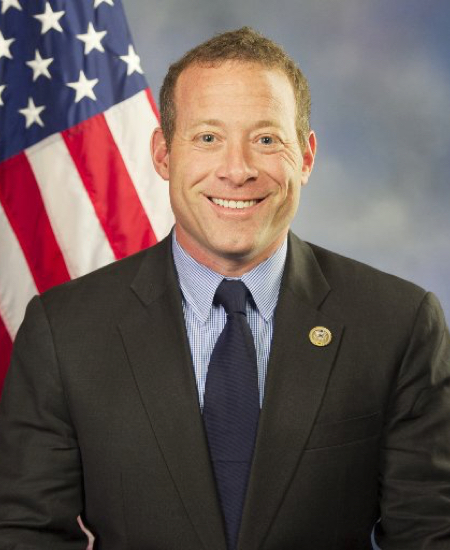
Rep. Josh Gottheimer
Sponsored bills
Maddy summaryThis bill temporarily allows doctors to prescribe and dispense certain Medicare-covered medications directly to seniors in their offices from 2026 to 2030, under specific conditions. It requires prior in-person visits, limits dispensing to group practices, and mandates billing through the physician’s practice. The bill also directs the GAO to study whether physician-owned pharmacies are becoming common and how such arrangements might affect prescribing. It directly affects seniors receiving Medicare Part D drugs and physician practices participating in these arrangements. The exception expires in 2030, with no changes to Medicare Part D program rules.
Maddy summaryThis bill requires most private health insurance plans to cover diagnostic and supplemental breast exams with no out-of-pocket costs (like deductibles or copays) for enrolled patients. It specifically covers exams used to evaluate abnormalities found in screenings (diagnostic) or for high-risk screening without abnormalities (supplemental), based on medical guidelines. Plans can still require prior authorization for these exams, and state laws offering stronger protections remain in effect. The rule takes effect for plan years starting January 1, 2026.
Maddy summaryHR 3038, the SAFE Act of 2025, requires U.S. agencies to proactively negotiate agreements with key export markets before animal disease outbreaks disrupt trade. It directs the USDA, in coordination with the Trade Representative, to establish geographic agreements (like regionalization or separate management zones) for livestock and meat exports during known disease threats. This affects U.S. livestock producers and exporters by aiming to prevent trade barriers during disease incidents. The bill amends the Animal Health Protection Act to create this pre-emptive negotiation process, without altering other trade agreement negotiations.
Maddy summaryHR 3006 would limit Medicare coinsurance for certain surgical procedures performed in ambulatory surgical centers (ASCs). Specifically, it prevents patients from paying coinsurance exceeding the annual inpatient hospital deductible for those procedures. If the coinsurance amount would surpass the deductible, the Medicare program must reduce the patient's share to match the deductible and reimburse the ASC for the difference. This change applies to services provided on or after January 1, 2026, directly affecting Medicare beneficiaries using ASCs for qualifying surgeries.
Maddy summaryThe Hunger-Free Future Act of 2025 amends the SNAP program to require that any update to the thrifty food plan must not increase food insecurity. It mandates that adjustments to the diet cost must continue following existing rules while explicitly ensuring updates do not worsen food insecurity, defined as households lacking adequate food due to insufficient money or resources. This directly affects SNAP beneficiaries by setting a new standard for how the program's cost calculations are reviewed. The bill changes the procedural requirement for SNAP re-evaluations without altering benefit amounts or eligibility rules.
Hot Foods Act of 2025 This bill expands the Supplemental Nutrition Assistance Program (SNAP) to permit the use of SNAP benefits to purchase hot foods or hot food products ready for immediate consumption.
Maddy summaryHR 2357, the Food Secure Strikers Act of 2025, removes a restriction that previously barred workers on strike from receiving Supplemental Nutrition Assistance Program (SNAP) benefits. The bill amends the Food and Nutrition Act of 2008 to eliminate language making workers ineligible for SNAP "as a result of being on strike," ensuring striking workers are not automatically denied food assistance during labor disputes. This change directly affects workers participating in strikes who would otherwise lose access to SNAP benefits. The key mechanism updates the eligibility rules to prevent SNAP ineligibility solely due to strike participation.
Maddy summaryThe Fight Fentanyl Act increases annual funding for fentanyl-related law enforcement efforts to $333 million from 2025 through 2030. It requires the Office of National Drug Control Policy to report annually on how HIDTA (High Intensity Drug Trafficking Area) funds target fentanyl trafficking, including seizure data and threat assessments. The bill also mandates the Attorney General to prioritize fentanyl prosecutions by temporarily reassigning U.S. attorneys to these cases. These provisions directly affect federal, state, local, and tribal law enforcement agencies working on fentanyl interdiction and prosecution.
Maddy summaryHR 2943, the Gabriel Rosenberg Dyspraxia/DCD Coverage Act, requires the U.S. Comptroller General to study insurance coverage for dyspraxia/developmental coordination disorder (DCD), a condition affecting movement and coordination. The study, to be completed within one year of enactment, will examine coverage under Medicare, Medicaid, group health plans, and other federal health programs across all states. It will specifically investigate current coverage availability, age limits, barriers like provider shortages, compliance with existing insurance rules, and whether adults lose coverage after diagnosis. The resulting report will provide recommendations for improving coverage, but the bill itself does not change insurance requirements or create new benefits. This is a procedural study bill focused on gathering data about current coverage gaps for people with DCD.