

Maddy summaryHR 765, the African American History Act, authorizes $2 million annually for the National Museum of African American History and Culture to develop educational resources and programs about African American history. The bill directs the museum to create accessible teaching materials, support teacher professional development, and expand digital content for schools and the public, focusing on contributions, civil rights, and historical contexts. It requires annual reports to Congress and expires in 2028. The program directly supports educators, students, and families in learning about African American history through museums, schools, and online platforms.
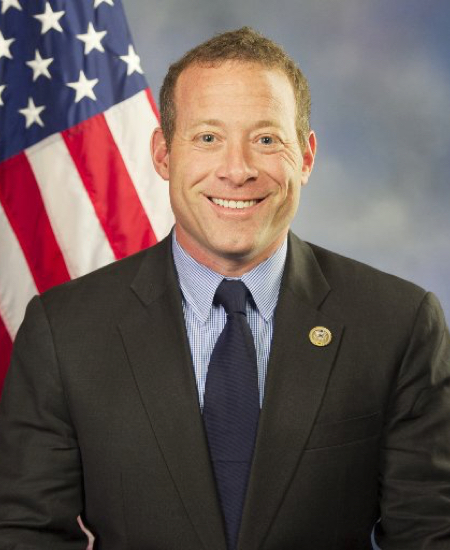
Rep. Josh Gottheimer
Sponsored bills
Maddy summaryThis bill creates a new federal crime for assaulting law enforcement officers causing serious injury or death, with penalties up to 10 years in prison for serious injury and up to life for aggravated cases involving death, kidnapping, or attempted killing. It applies when offenses involve interstate travel, commerce, or target officers engaged in law enforcement duties. Federal prosecution requires Attorney General certification that state authorities cannot or will not handle the case, or that federal action is necessary for public safety. The law covers all law enforcement officers (state, local, and federal) who enforce criminal laws or detain individuals.
Maddy summaryThe Extreme Risk Protection Order Expansion Act of 2023 creates a federal grant program to help states, tribes, and local governments implement and improve Extreme Risk Protection Orders (ERPOs), which temporarily remove firearms from individuals deemed to pose a danger to themselves or others. To qualify for grants, states and tribes must enact ERPO laws meeting specific due process requirements, including notice, hearing procedures, and standards of proof. The bill amends federal law to include ERPOs in the National Instant Criminal Background Check System and requires states to report on ERPO usage, including demographic data. It also establishes "full faith and credit" for ERPOs across state lines, ensuring consistent enforcement nationwide.
Maddy summaryHR 795 amends the 1968 Crime Control Act to require federal funding for training first responders on using containment devices that prevent secondary exposure to fentanyl and other dangerous substances. It directs the Department of Justice to provide both training resources and purchase these devices for emergency personnel. The law specifically targets risks faced when handling drugs like fentanyl during arrests or medical emergencies. First responders, including police and EMTs, would directly benefit from this provision. The bill mandates these measures through existing federal programs without creating new standalone requirements.
Maddy summaryHR 730, the Crime Gun Tracing Modernization Act of 2023, requires the Bureau of Alcohol, Tobacco, Firearms and Explosives (ATF) to create electronic, searchable databases for firearm records (including import, production, sale, and disposition data) held by licensed dealers. It directly affects firearm licensees (like dealers) who must provide electronic access to their required records and law enforcement agencies that can query the databases for active investigations or intelligence purposes. Key provisions mandate databases searchable by date, license number, and firearm details (model, serial number, caliber) but not by personal identifiers, with paper records eligible for surrender after 10 years under specific conditions. The law also ensures the ATF can access these databases regardless of funding restrictions.
Maddy summaryHR 715, the Bipartisan Background Checks Act of 2023, requires background checks for all firearm transfers between private individuals, not just those through licensed dealers. It mandates that unlicensed sellers must involve a licensed dealer to conduct a background check before transferring a firearm, with exceptions for family transfers (like spouses or parents/children), law enforcement, temporary safety transfers, and certain hunting or range activities. The bill also requires licensed dealers to provide a notice and certification form in both English and Spanish to buyers. It explicitly states it won't create a national gun registry or override state laws on the same topic. The law would take effect 180 days after enactment.
Maddy summaryThis bill helps new car dealers affected by pandemic-era supply chain disruptions by changing tax rules for inventory sales. It allows dealers using LIFO accounting to treat certain sales of unsold vehicles (liquidations) between March 2020 and December 2021 as "qualified" for tax purposes. Dealers can defer recognizing income from these sales and have until 2026 to replace the sold vehicles before potential tax adjustments apply. The provision specifically targets dealers who couldn't replenish inventory during the supply chain crisis.
Maddy summaryHR 709, the Muhammad Ali Congressional Gold Medal Act, authorizes Congress to award Muhammad Ali a gold medal in recognition of his life and achievements. The bill directs the Secretary of the Treasury to strike a gold medal for presentation by congressional leaders, which will then be given to Ali's widow, Lonnie Ali. Duplicate bronze medals may be sold to cover production costs, with proceeds deposited into the U.S. Mint fund. This is a commemorative measure, not a policy change affecting laws or programs.
Anti-Congestion Tax Act This bill prohibits the Department of Transportation (DOT) from awarding capital investment grants to the Metropolitan Transportation Authority for projects in New York until DOT certifies that drivers using certain vehicular crossings (e.g., Holland Tunnel, Lincoln Tunnel, or George Washington Bridge) to enter into Manhattan receive exemptions from congestion fees. Drivers entering Manhattan using any of the crossings receive a federal tax credit at the end of the year equal to the amount paid in congestion fees.
Maddy summaryHR 660, "Ethan's Law," requires gun owners in homes where minors (under 18) or individuals prohibited from owning firearms under federal/state law reside to store firearms securely. It makes unsecured storage unlawful if a minor or prohibited person could access the firearm, with fines of $500 per violation and enhanced penalties (up to 5 years in prison) if injury or death occurs. The bill also establishes a federal grant program to help states implement similar secure storage laws and provides funding incentives for states that already have such laws in place.