

Maddy summaryHR 1387, the Civics Learning Act of 2023, amends the Elementary and Secondary Education Act to strengthen civics education in public schools. It requires states to prioritize innovative civics teaching - including lessons on the Constitution, civil rights history, and community engagement - and allocates $70 million for grants to schools, with specific funding targets (30% for elementary, 30% for middle, max 40% for high school). The bill directly affects public elementary, middle, and high schools, particularly those serving high-need communities, by mandating new curriculum activities like service learning, student governance participation, and after-school programs. Grants must include reporting on how schools meet civics education goals, with the Department of Education required to submit annual progress reports to Congress.
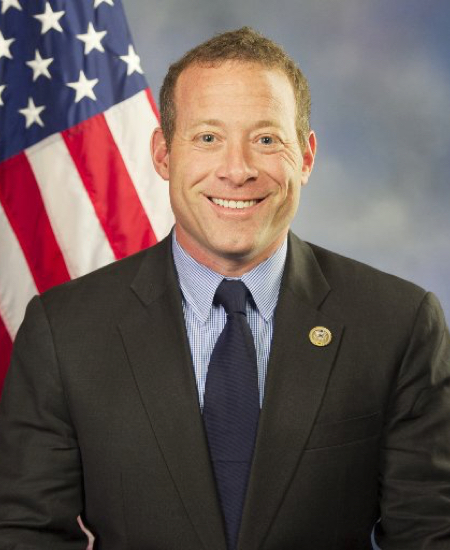
Rep. Josh Gottheimer
Sponsored bills
Maddy summaryHR 1388 authorizes the minting of commemorative coins to honor the 1865 Sultana steamboat disaster, the deadliest maritime tragedy in U.S. history. It specifies three coin types ($5 gold, $1 silver, and half-dollar) with defined weights and compositions, to be sold at face value plus surcharges ($35, $10, and $5 per coin, respectively). All surcharges collected will fund the Sultana Historical Preservation Society for museum development, including exhibits, artifact preservation, and facility construction. The coins are legal tender but intended for collectors, with sales limited to a one-year period starting January 2023.
Maddy summaryThis bill requires student loan lenders to provide clear, plain-language disclosures to borrowers before loan disbursement and monthly throughout the loan term. Before disbursing a loan, lenders must give a written statement showing the loan's principal, interest rate, estimated repayment timeline, total projected cost (including fees), and how existing loans affect the borrower's total debt. Monthly statements must detail current balances, interest rates, payments made, interest accrued, and projections of future payments, including explanations of how interest capitalization increases long-term costs. These disclosures directly affect all borrowers of federal student loans and the lenders/servicers managing those loans, aiming to improve transparency about loan terms and costs.
Maddy summaryThe Combating Rural Inflation Act requires the Bureau of Labor Statistics to create and publish a new monthly index starting in January 2024. This index, called the Consumer Price Index for Rural Consumers, will track changes in typical spending patterns for people living in rural communities. The bill does not alter existing laws or provide new funding - it only mandates the BLS to collect and release this specific data to monitor rural cost-of-living trends.
Maddy summaryHR 1369, the "Peace on the Korean Peninsula Act," directs the U.S. State Department to review restrictions on Americans traveling to North Korea, particularly for humanitarian reasons like family reunions (affecting approximately 100,000 Americans with relatives there). It also requires the State Department to create a diplomatic roadmap for ending the Korean War through formal negotiations with North and South Korea, including establishing liaison offices. The bill mandates reports to Congress within 180 days detailing these reviews and strategies, without changing existing military deployments or U.S. policy on North Korea's nuclear program. It focuses on diplomatic engagement to replace the 1953 armistice with a permanent peace agreement.
Long COVID Response is Care Optimized and Vitally Essential Resources that Yield New Opportunities for Wellness Act or the Long COVID RECOVERY NOW Act This bill establishes grants and requires actions to support treatment, research, and other efforts to address Long COVID (persistent, long-term symptoms following recovery from acute COVID-19 infection). Specifically, the bill establishes grants for treating individuals with Long COVID. These include grants for certain health clinics and primary care providers to treat patients, including by addressing food insecurity and other social needs that could interfere with treatment; health care providers or public health departments to set up or expand specialized clinics or programs using a multidisciplinary approach; and primary care providers to support the development of evidence and other resources related to treatments. The bill also establishes grants for Long COVID patient registries and research on Long COVID in pediatric populations. Additionally, the Office of the National Coordinator for Health Information Technology must convene stakeholders to identify best practices to make de-identified data related to Long COVID available to researchers. The office must also recommend policies for data standardization and related approaches to further a greater understanding of Long COVID. Further, the Department of Health and Human Services must (1) set up a website to educate health care providers and the public about Long COVID, and (2) issue guidance on ways to assist individuals with Long COVID through Medicaid and the Children's Health Insurance Program (CHIP). The bill also expands access for treating Long COVID through Medicaid, CHIP, and the Community Mental Health Services Block Grant.
Advancing Safe Medications for Moms and Babies Act of 2023 This bill establishes programs and requirements to support the inclusion of pregnant and lactating women in clinical research. For example, the bill requires the Department of Health and Human Services to align the Food and Drug Administration's regulations for human subjects in clinical trials with other departmental regulations for pregnant women in clinical research. The bill also establishes (1) a national online clearinghouse with information about clinical trials that enroll pregnant and lactating women, (2) an advisory committee to help coordinate federal activities with respect to clinical research for pregnant and lactating women, and (3) an educational campaign on the importance of including pregnant and lactating women in clinical research. The National Institutes of Health must also prioritize certain research projects on new and existing medications for pregnant and lactating women based on need, feasibility, and the potential impact of the research.
This resolution supports the designation of National FFA Week. It also (1) recognizes the important role of the National FFA Organization (Future Farmers of America) in developing the next generation of leaders who will change the world, and (2) celebrates the 90th anniversary of the iconic FFA jacket.
Maddy summaryThe LEO Fair Retirement Act of 2023 would allow federal law enforcement officers to include unpaid overtime hours toward their retirement benefits. Currently, these officers work significant overtime that isn't compensated due to pay caps, meaning they don't receive full credit for those hours in retirement calculations. The bill would amend retirement systems to include this unpaid overtime in retirement calculations, but officers would need to make a lump-sum payment to cover the difference between what they would have contributed to retirement if paid for the overtime versus what they actually contributed. This applies to specific federal law enforcement roles including criminal investigators, federal air marshals, special agents in the Diplomatic Security Service, probation officers, and pretrial services officers. The changes would take effect one year after the bill's enactment.
Maddy summaryHR 1322 expands federal retirement benefits to include specific non-traditional law enforcement roles. It adds IRS employees focused on tax collection, U.S. Postal Inspection Service staff, Department of Veterans Affairs police officers, and U.S. Customs and Border Protection seized property specialists to the definition of "law enforcement officer" under federal retirement systems. Current employees in these newly covered positions must elect to pay deposits for past service to receive full retirement credit, while their agencies must contribute additional funds for that past service. The bill also temporarily prevents mandatory separation for current law enforcement officers for three years after enactment.