

Maddy summaryHR 2757, the Puerto Rico Status Act, establishes a process for Puerto Rico to determine its political status through a plebiscite on November 2, 2025, offering three options: independence, sovereignty in free association with the United States, or statehood. If no option receives a majority in the initial vote, a runoff plebiscite would be held on March 8, 2026. The bill outlines transition processes for each option, including constitutional conventions, implementation steps, and provisions for citizenship, immigration, and economic benefits. It mandates bilingual voter education materials and requires oversight by the Elections Commission and the Attorney General to ensure fair representation of all options. This legislation directly affects Puerto Rico's residents by providing a structured process to choose their permanent political relationship with the United States.
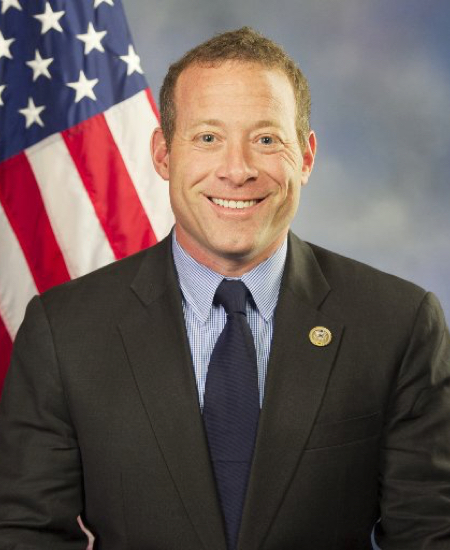
Rep. Josh Gottheimer
Sponsored bills
Maddy summaryHRES 362 is a symbolic House resolution recognizing elementary and secondary school teachers' contributions to U.S. civic, cultural, and economic well-being. It specifically thanks teachers and encourages students, parents, school leaders, and officials to acknowledge National Teacher Appreciation Week (May 8-12, 2023). The resolution has no binding effect or policy changes - it solely promotes public appreciation for the teaching profession through a formal expression of gratitude. It directly affects teachers by affirming their societal value but does not alter laws, funding, or educational standards.
Maddy summaryHR 3113, the Expanding Access to School Meals Act of 2023, would eliminate reduced-price breakfast and lunch programs in schools, requiring all meals to be either free or full price. It would expand eligibility for free school meals by raising the income threshold from 130% to 200% of the federal poverty level and creating direct certification for children receiving Medicaid benefits. The bill also allows schools to seek retroactive reimbursement for meals served to eligible students and increases the community eligibility program multiplier to 2.5. These changes would affect school meal programs nationwide, particularly benefiting low-income children who qualify for free meals under the revised standards.
Maddy summaryThis bill allows states to implement a statewide program under the National School Lunch Act, enabling all schools in the state to receive federal reimbursement for free meals without needing to individually verify student poverty levels. It removes the previous requirement that schools must meet a minimum percentage of low-income students (setting the threshold to zero) and simplifies eligibility by calculating student need across the entire state instead of per school district. Schools in participating states would no longer need to conduct individual student eligibility screenings for free meal programs, streamlining access. The policy directly affects public school districts and students in states that adopt this statewide approach, ensuring all enrolled students receive free meals without administrative barriers.
Maddy summaryThe Words Matter Act of 2023 replaces the outdated term "mental retardation" with "intellectual disability" across numerous federal laws and regulations. It amends over 20 provisions in the U.S. Code, Social Security Act, and other statutes - including healthcare, disability programs, and legal definitions - to update terminology used in areas like nursing home care, criminal justice, and federal grants. The bill explicitly states this is a purely linguistic change, not a policy shift, and does not alter eligibility, benefits, or program requirements for individuals with intellectual disabilities. It affects all federal programs and legal references that previously used the terms "mental retardation," "mentally retarded," or "developmentally disabled."
Maddy summaryHR 3106, the Preventing Deepfakes of Intimate Images Act, creates a legal right for individuals whose realistic digital manipulations of intimate images (such as uncovered genitals, bodily fluids, or sexually explicit conduct) are disclosed without consent. It allows victims to sue for civil damages, including up to $150,000 in liquidated damages, actual harm, or punitive penalties, and seek court orders to stop further disclosure. The bill specifically protects identifiable individuals (not just public figures) and covers images created or altered using digital manipulation, excluding cases involving law enforcement, public interest, or good-faith disclosures. Criminal penalties up to 10 years may apply for malicious disclosure with intent to harass or cause harm. This directly affects anyone whose intimate images are deepfaked without permission, providing new legal recourse against perpetrators.
Maddy summaryThis bill removes a restriction that previously barred people in jail or prison while awaiting trial from receiving Medicaid health benefits. It directly affects individuals in custody pending legal proceedings by allowing states to provide Medicaid coverage for their medical care during this time. The bill also allocates $50 million in planning grants to help states develop systems to enroll these individuals, recruit healthcare providers who can serve them, and establish electronic billing for services provided in correctional facilities or through outpatient care. Key provisions require states to assess healthcare needs, eliminate policy barriers, and create plans to increase provider participation in Medicaid for this population.
Maddy summaryThis bill creates federal grants for school districts to provide emergency opioid overdose treatment (like naloxone) in public and private elementary and secondary schools. It requires schools to have trained staff (such as nurses or designated personnel), maintain accessible supplies of the medication, and confirm their state has liability protections for staff using it during an emergency. The law directly affects K-12 schools by mandating specific emergency protocols for opioid overdoses. It does not change state laws but requires schools to verify existing state protections before receiving funds.
Maddy summaryHR 2965, the Autism Family Caregivers Act of 2023, establishes a federal pilot program to provide free or low-cost evidence-based skills training for family caregivers of children (ages 0-9) with autism spectrum disorder or other developmental delays. It authorizes $10 million annually to fund grants for eligible organizations (like nonprofits, health centers, and community groups) to teach caregivers practical strategies for communication, social engagement, daily living skills, and managing challenging behaviors. The program requires local stakeholder committees - including caregivers, healthcare providers, and community representatives - to ensure cultural relevance, and mandates annual evaluations to assess impacts on children's well-being and caregiver support.
Maddy summaryHRES 341 is a nonbinding resolution expressing the House's support for maintaining cash as a viable payment option. It highlights that 18.6% of U.S. households (nearly 6 million) rely solely on cash due to lack of bank access, privacy concerns, and risks associated with digital payments like data breaches. The resolution cites legal tender status under U.S. Code and Federal Reserve Chair Powell's testimony emphasizing cash's critical role for unbanked and low-income communities. It does not create new laws but urges businesses to accept cash to protect consumer privacy and financial security.