

Maddy summaryHR 3956, the Veterans Protection from Fraud Act, amends federal criminal law to increase penalties for fraud committed against veterans. It directly affects veterans (defined under Title 38) of any age by adding them to a list of protected groups eligible for enhanced penalties under existing fraud statutes. The key provision modifies Section 2326(2) of Title 18 to include "targeted veterans" as a category subject to stricter sentencing when fraud is specifically directed at them. This change strengthens existing penalties without creating new crimes, making fraud against veterans a more severe offense under current federal law.
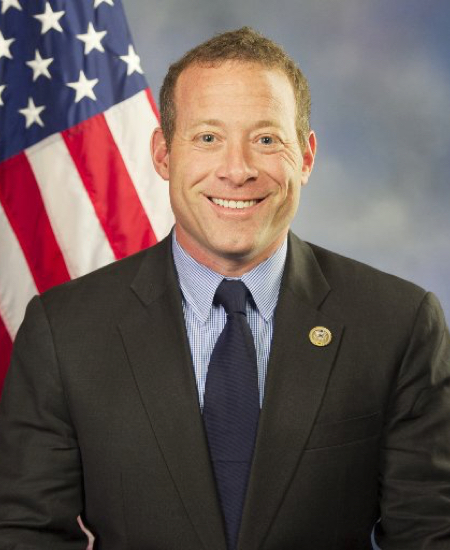
Rep. Josh Gottheimer
Sponsored bills
Maddy summaryThis bill prohibits federal agencies from using government funds to purchase or operate drones (unmanned aircraft systems) made by "covered foreign entities," primarily targeting entities linked to foreign governments, especially those tied to China as defined in the bill. It directly affects federal agencies and contractors receiving federal funding for drone acquisitions or operations. Key provisions include specific exemptions for national security research, counterterrorism, or cybersecurity needs, and a waiver process requiring approval from Homeland Security or Defense. The law aims to reduce reliance on potentially risky foreign drone technology by restricting federal funding for such systems.
Maddy summaryThis bill requires federal agencies collecting demographic survey data to begin including questions on sexual orientation, gender identity, and variations in sex characteristics (intersex traits) within 360 days of enactment. Agencies must review existing surveys to identify gaps, develop privacy-protective methods for collecting this data (including anonymization and data destruction protocols), and incorporate it into relevant reports within three years. The law applies to all federal surveys that collect standard demographic data (like race, ethnicity, and age), such as the census or health surveys, but does not compel individuals to disclose their status. It emphasizes maintaining confidentiality, allows limited agency waivers if standards can't be met, and mandates a congressional report on implementation within two years.
Maddy summaryThe Neighborhood Homes Investment Act creates a new tax credit for developers who rehabilitate or build affordable homes in distressed communities. The credit is calculated based on the difference between rehabilitation costs and the sale price, with homes required to be sold at affordable prices to qualified homeowners with incomes up to 140% of the local median family income. The bill targets specific "qualified census tracts" defined by high poverty rates, low homeownership, and below-average home values. Developers must ensure homes are sold to qualified homeowners who use them as primary residences for at least five years, with additional safeguards to prevent program abuse and ensure fair housing practices.
Maddy summaryHR 3850, the Pride In Mental Health Act of 2023, establishes a federal grant program to improve mental health and substance abuse services for LGBTQ+ youth (including nonbinary, intersex, and Two Spirit individuals). The bill directs the Health and Human Services Secretary to fund eligible organizations to provide trauma-informed care, cultural competency training for caregivers, school bullying prevention guidelines, and family support resources. It explicitly prohibits grant funds from being used for conversion therapy or advertising related to such therapy. The bill also requires data collection on LGBTQ+ youth mental health and a federal survey to measure psychological distress.
Maddy summaryHR 3879, the Supporting Families through Addiction Act of 2023, provides federal grants to nonprofit organizations that support families with members struggling with substance use disorder. The bill authorizes $5 million annually (2024-2028) to fund community-based family support services, including education, stigma reduction, and connecting families to treatment resources. Grants cover up to 85% of costs and require organizations to be led by experts, including families with lived experience. This directly affects families navigating addiction in their households by expanding access to evidence-based support programs and improving provider knowledge about family impacts.
Maddy summaryHR 3805, the KIDS Health Act of 2023, establishes a federal demonstration project to test integrated "whole child health" models in up to 15 states. It authorizes $125 million to fund states in designing and implementing community-based programs that address children’s physical, mental, emotional, developmental, and social health needs - specifically for Medicaid-eligible children under 21. Key provisions require states to conduct comprehensive needs assessments, coordinate services across Medicaid, schools, and community partners, adopt value-based payment systems, and integrate primary care with mental health and substance use services. The 48-72 month demonstration will mandate regular reporting on outcomes, health disparities, and best practices, with final evaluation reports to Congress.
Wild Horse and Burro Protection Act of 2023 This bill prohibits the Bureau of Land Management (BLM) from using or contracting for the use of helicopters or fixed-wing aircraft for gathering horses and burros under the Wild Free-roaming Horses and Burros Act. Further, BLM may not make contracts to use helicopters for transporting captured animals under such act.
This resolution states that BridgeUSA programs are vital to the economy and to U.S. national interests. The resolution also states that U.S. embassies and consulates should prioritize processing J-1 visas for such programs. (BridgeUSA is the name for what was formerly known as the Exchange Visitor Program. Participants from other countries come to the United States to participate in various exchange programs, such as exchange programs for professors, trainees, interns, and au pairs.)
Maddy summaryHR 3907 increases annual funding for U.S.-Israel development cooperation from $2 million to $4 million, extending support through 2026 instead of 2023. It requires USAID to report within 180 days on expanding projects to include multilateral partnerships with Arab countries, particularly in Africa, and assesses the need for additional resources. The bill directly affects USAID, Israel's MASHAV agency, and developing nations in Africa, Eastern Europe, and Latin America where joint projects focus on water, agriculture, education, and health. Key provisions adjust funding levels and mandate a formal review of expanding cooperative development efforts. The legislation aims to strengthen existing U.S.-Israel collaboration on global development initiatives.