

Maddy summaryHRES 881 is a symbolic House resolution commemorating the 50th anniversary of the Endangered Species Act of 1973. It honors the Act's role in preventing the extinction of species like the bald eagle and humpback whale, citing its success in protecting 99% of listed species. The resolution does not create new legal requirements or affect any specific group, as it serves solely as a ceremonial recognition of the Act's conservation achievements.
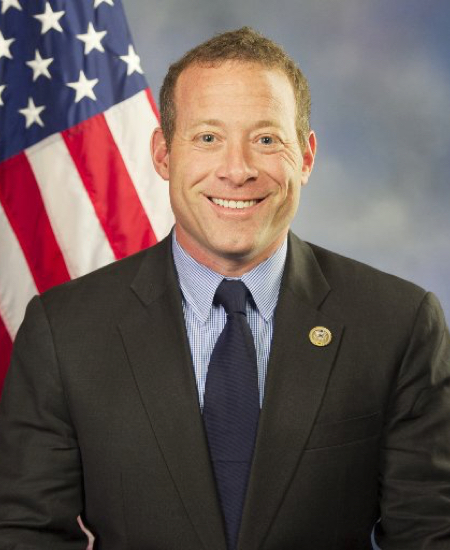
Rep. Josh Gottheimer
Sponsored bills
Maddy summaryHR 6415, the CARE for First Responders Act, creates targeted mental health support for first responders, including law enforcement, firefighters, EMTs, and 911 operators (previously excluded from many services). It establishes a 24/7 confidential mental health hotline integrated with the 988 Suicide Lifeline, funds mobile crisis teams for disaster response, and mandates specialized training to reduce stigma and improve access to culturally competent care. The bill requires the development of peer support programs and education for responders and their families on mental health coping strategies. It authorizes $5 million annually (2024-2028) for grants to states and organizations to implement these services, specifically addressing the higher rates of mental health challenges and suicide among first responders compared to the general population.
Maddy summaryHR 6433, the PARA-EMT Act of 2023, creates a federal grant program to address critical shortages in emergency medical services (EMS) personnel. It authorizes $50 million annually (2024-2028) for grants to EMS agencies to fund recruitment, training, and retention programs - including initiatives for veterans, rural communities, and youth - while requiring 20% of grants to support rural agencies. The bill also establishes a separate $20 million annual grant program to help veterans with military EMS training meet civilian certification requirements and mandates a federal study on projected EMS workforce needs through 2032. These provisions directly affect EMS agencies, training programs, and veterans seeking civilian EMS careers.
Maddy summaryThis resolution (HRES 872) reaffirms the U.S. commitment to transatlantic cooperation in combating antisemitism across Europe. It calls on European governments and the European Union to implement national strategies against antisemitism, standardize data collection on incidents, share best practices, and include Holocaust education in school curricula. The resolution specifically urges European countries to address rising antisemitic incidents documented by reports from ADL and Tel Aviv University, which show widespread antisemitic attitudes in multiple European nations. It does not create new laws but emphasizes collaboration to protect Jewish communities and counter online hate. The resolution directly affects European governments and Jewish communities in Europe through its recommendations for policy action.
Maddy summaryHR 6439, the Pre-Apprenticeship Wrap-around Support Services Fund Act of 2023, provides federal grants to fund stipends for individuals enrolled in pre-apprenticeship programs. These stipends cover transportation costs, lost wages from reduced work hours, and industry certification fees, prioritizing participants facing employment barriers. The bill requires grantees (like community organizations or schools) to track outcomes, including job placement rates, earnings, and credential attainment within 12 months of program completion. Administered by the Department of Labor, it aims to support smoother transitions into registered apprenticeships by addressing immediate financial hurdles for program participants.
Maddy summaryHR 6425 directs the U.S. Secretary of Defense, with the Director of National Intelligence, to create the "Five AIs Strategic Artificial Intelligence Working Group" within 90 days. This group will coordinate AI efforts among the Five Eyes countries (U.S., UK, Canada, Australia, New Zealand) focused on defense and intelligence applications. Key tasks include comparing AI systems and practices, developing shared strategies for interoperability, testing AI model redundancy, and managing data for joint AI use. The working group must submit a plan within 60 days and biannual reports to Congress, terminating on September 30, 2028, unless extended for national security reasons.
Maddy summaryThis bill extends a tax incentive allowing businesses to immediately deduct costs for cleaning up contaminated properties (brownfields). It modifies the tax code to permit these deductions for expenses paid between 2012-2022 and starting in 2027. The change directly affects developers and property owners involved in brownfields redevelopment projects, enabling them to reduce taxable income for cleanup costs. The policy update avoids requiring capitalization of remediation expenses over time, providing immediate tax relief during specified periods.
Maddy summaryHR 3601, the Student Veteran Work Study Modernization Act, expands eligibility for a Veterans Affairs work-study allowance to veterans enrolled at least half-time in rehabilitation, education, or training programs - lowering the previous requirement from three-quarter-time. The bill establishes a five-year pilot program to test this change, requiring the VA to apply the same allowance rules to these veterans as to other participants, except for the enrollment threshold. It also mandates annual reports to Congress tracking participation numbers, four-year degree completion rates, and full-time VA employment outcomes for participants. The policy directly affects veterans seeking education benefits while balancing academic and personal responsibilities.
Maddy summaryThis bill closes loopholes that allow domestic violence abusers to keep or buy firearms while under restraining orders. It requires courts to issue "firearm surrender orders" when domestic violence restraining orders are issued, mandating that abusers surrender all firearms within 24 hours. The law expands the definition of "intimate partner" to include dating partners and requires law enforcement to remove firearms if abusers don't comply. It also creates a federal grant program to help states implement these policies, directly affecting domestic violence survivors and abusers subject to restraining orders.
Maddy summaryThe BUILD Act of 2023 creates two federal grant programs to fund infrastructure improvements for small local emergency services. It provides up to $4 million per grant to law enforcement agencies (serving communities under 50,000 people) and fire departments (career, combination, or volunteer) for facility upgrades, training, recruitment, or community safety projects directly related to emergency services. The bill authorizes $250 million annually from 2024-2026 for these grants, requiring grantees to demonstrate financial need and use funds only for specified purposes. It also mandates reports on grant distribution, infrastructure needs, and funding impacts over six years. The program targets jurisdictions often overlooked in larger federal infrastructure initiatives.