

Maddy summaryHCONRES 41 is a non-binding congressional resolution expressing formal support for open water lifeguards. It reaffirms that lifeguards already qualify as first responders and emergency response providers under U.S. law, recognizing their essential role in protecting lives and property during water rescues, medical emergencies, and other incidents. The resolution specifically highlights that lifeguards perform the four defined duties of emergency response employees (responding, treating, assisting, and transporting victims) and aligns with the four tenets defining first responders (protecting life, property, evidence, and the environment). This resolution does not create new laws or funding but formally acknowledges lifeguards' existing status, directly affecting open water lifeguards nationwide who serve in coastal, lake, and river environments.
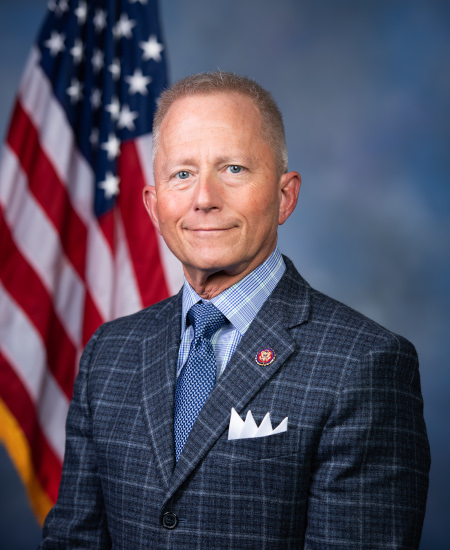
Rep. Jefferson Van Drew
Sponsored bills
Maddy summaryHR 3238, the Affordable Housing Credit Improvement Act of 2023, updates the Low-Income Housing Tax Credit (LIHTC) program to increase the availability of affordable housing across the United States. The bill makes several key changes including increasing state funding formulas, modifying tenant eligibility rules to better serve vulnerable populations (such as domestic violence victims and students), and expanding credit eligibility for projects in rural and Native American communities. Specific provisions raise the credit for properties serving extremely low-income households, clarify rules around tenant income increases, and require housing providers to protect victims of domestic violence. The bill also updates terminology from "low-income" to "affordable" throughout the tax code and enhances program transparency through data sharing requirements. These changes aim to make the LIHTC program more effective at creating and preserving affordable housing units for low-income households nationwide.
Maddy summaryThe Pay Our Correctional Officers Fairly Act adjusts pay for Bureau of Prisons employees currently assigned to the "Rest of U.S." pay locality. It directs that if an employee's worksite is within 200 miles of another pay locality, they will be paid according to the nearest locality with the highest pay rate - replacing the lower "Rest of U.S." rate. This applies to correctional officers and other Bureau of Prisons staff, but excludes employees whose worksite is more than 200 miles from any other locality. The change takes effect 180 days after the bill is enacted.
Maddy summaryHR 3179, the Supporting Apprenticeship Colleges Act of 2023, provides federal grants to colleges offering construction and manufacturing apprenticeship programs. It funds two key initiatives: (1) Community Outreach Grants to help colleges recruit students and partner with employers, especially in rural areas and for underrepresented groups like first-generation, minority, and nontraditional students; and (2) Student Support Grants to improve retention through services like career advising, mental health resources, and childcare. The bill allocates $5 million annually (2024-2028) for these programs, with each college receiving up to $500,000 per grant. It directly affects apprenticeship colleges, their students, and local employers by expanding access to skilled trades careers.
Maddy summaryThe HELPER Act of 2023 creates a new FHA mortgage insurance program specifically for first responders and K-12 teachers. It allows eligible first-time homebuyers in these professions to secure mortgages with 100% financing (no down payment required) for purchasing or repairing a primary residence. To qualify, applicants must be employed as law enforcement, firefighters, paramedics, or K-12 teachers, have completed housing counseling, and meet specific employment history requirements (e.g., 4 years in the role or disability-related release). The program authorizes $660,000 for fiscal year 2024 and $160,000 annually through 2030, with authority expiring after 5 years.
Maddy summaryHR 1750 sets a new minimum standard for pasteurized orange juice, requiring finished products to contain at least 10.0% orange juice soluble solids (excluding any added sweeteners) by weight. This rule directly affects manufacturers producing and selling pasteurized orange juice in the U.S. market. The bill revises existing federal regulations to enforce this minimum juice content level, ensuring a more consistent product definition. It does not change the Secretary of Health and Human Services' existing authority to further adjust these standards.
Maddy summaryHR 3125 raises the IRS reporting threshold for slot machine winnings from $1,200 to $5,000 per single play. This means casinos and other businesses operating slot machines no longer need to report winnings under $5,000 to the IRS for individual plays. The $5,000 threshold will automatically adjust annually for inflation starting in 2025. The bill affects casinos' reporting obligations but does not change tax liability for gamblers. It becomes effective for winnings after December 31, 2023.
Veterans' Telecommunication Protection Act This bill requires a cable or voice service provider to charge a veterans' organization at an individual or household service rate unless that rate is greater than the amount the provider would otherwise charge the organization.
Maddy summaryThis bill removes a restriction that previously barred people in jail or prison while awaiting trial from receiving Medicaid health benefits. It directly affects individuals in custody pending legal proceedings by allowing states to provide Medicaid coverage for their medical care during this time. The bill also allocates $50 million in planning grants to help states develop systems to enroll these individuals, recruit healthcare providers who can serve them, and establish electronic billing for services provided in correctional facilities or through outpatient care. Key provisions require states to assess healthcare needs, eliminate policy barriers, and create plans to increase provider participation in Medicaid for this population.
Maddy summaryHR 3039, the DRIVE Act, prohibits the Federal Motor Carrier Safety Administration (FMCSA) from requiring speed limiting devices on trucks weighing over 26,000 pounds operating in interstate commerce. This directly affects commercial trucking companies and drivers transporting goods across state lines. The bill's key provision explicitly bans the FMCSA from issuing any rule mandating such devices, which are typically set to limit vehicle speed. The law applies specifically to interstate trucking operations and does not affect state-level regulations.