

Maddy summaryThe FISH Wellness Act requires fishing vessel operators and crews to receive safety training addressing mental health, substance use disorders, and fatigue risks. It increases annual funding for health services from $3 million to $6 million (for 2024-2025) to support programs addressing behavioral and physical health risks in the commercial fishing industry. Grants will be awarded competitively by the Department of Health and Human Services, with criteria developed alongside the Coast Guard. The bill updates vessel safety standards to integrate health training into operational requirements.
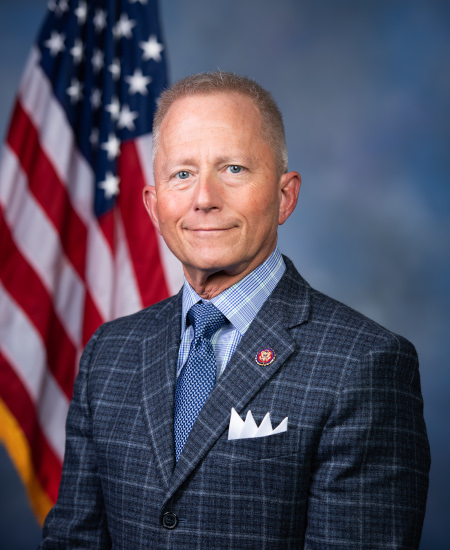
Rep. Jefferson Van Drew
Sponsored bills
Maddy summaryThis bill prohibits U.S. app stores, hosting services, and distributors from enabling foreign adversary-controlled applications (like TikTok, owned by ByteDance) to operate within U.S. borders. It requires companies to provide users with their data in a machine-readable format before a ban takes effect, and imposes civil penalties of up to $5,000 per affected user for violations. The law directly affects major app platforms, app stores, and internet hosting services, targeting applications owned by entities controlled by designated "foreign adversary" countries (e.g., China). It includes exemptions for companies that divest U.S. operations to non-adversary entities before the ban date.
Maddy summaryThis bill prohibits the interstate transport, sale, breeding, or possession of captive American mink raised for fur production (including parts or offspring), directly affecting mink fur farmers and the fur industry. It includes a limited exception for entities covered under the Lacey Act and establishes a buy-out program where the government may purchase mink farms. The buy-out amount is based on the farmer's average mink count over three years and the farm's infrastructure value. Funding for the buy-out depends on available appropriations. The bill does not apply to mink not raised for fur or to certain wildlife management activities.
Maddy summaryHR 7629, the Protect Our Letter Carriers Act of 2024, allocates $1.4 billion annually (2025-2029) to the U.S. Postal Service for high-security collection boxes and replacing physical universal mailbox keys with electronic versions, directly affecting USPS operations and letter carriers. It requires the Attorney General to appoint specialized prosecutors in each district to coordinate investigations and prosecutions of postal-related crimes, such as assaults on carriers or mail theft. The bill also mandates the U.S. Sentencing Commission to adjust guidelines so that assaults or robberies against postal employees are treated with the same severity as assaults against law enforcement officers. These provisions aim to enhance safety through infrastructure upgrades, improved prosecution, and stricter sentencing for crimes targeting postal workers.
Maddy summaryThe Action for Dental Health Act of 2023 extends the authorization period for federal grants addressing dental workforce shortages. It amends Section 340G(f) of the Public Health Service Act to change the grant funding period from 2019-2023 to 2024-2028. This extension directly affects dental health programs and organizations receiving these grants, ensuring continued funding for initiatives that train and deploy dental professionals in underserved communities. The key provision is a straightforward renewal of the grant timeline without altering funding amounts or eligibility criteria.
Maddy summaryHR 1752, the E-BRIDGE Act, creates a federal grant program to fund high-speed broadband infrastructure projects in rural and underserved areas. It allows grants for planning, building, or improving broadband networks through eligible groups like local governments, public-private partnerships, or community consortia. Key provisions require grant applications to include data on existing broadband coverage and ensure public ownership of infrastructure built with federal funds for the project's lifetime. The bill aims to directly expand internet access for rural communities by streamlining funding and prioritizing areas with limited service.
Maddy summaryThe Laken Riley Act (HR 7511) would require federal authorities to detain non-citizens charged with or convicted of burglary, theft, larceny, or shoplifting offenses. It also creates new legal standing for state attorneys general to sue federal immigration officials in federal court if they believe immigration enforcement decisions (like releasing aliens or granting parole) cause financial harm exceeding $100 to the state or its residents. The bill amends immigration laws to expand detention requirements for certain property crimes and allows states to seek court orders to enforce immigration policies. It does not create new criminal penalties but modifies existing immigration enforcement procedures. The bill’s findings and political language about the Laken Riley case are not part of its policy provisions.
Maddy summaryHRES 1043 is a non-binding congressional resolution expressing support for continued access to fertility care and in vitro fertilization (IVF) following a February 2024 Alabama Supreme Court ruling that threatened IVF services. The resolution condemns the Alabama ruling, which caused clinics to suspend IVF care and raised concerns about legal liability for providers. It urges federal and state officials to protect access to IVF and other assisted reproductive technologies, calling for legislative action to prevent further restrictions. The resolution directly addresses the immediate impact on Alabama patients and providers but does not create new laws or alter existing regulations.
Maddy summaryThe Immigration Detainer Enforcement Act of 2024 requires state and local law enforcement agencies to hold individuals for up to 48 hours if the Department of Homeland Security (DHS) issues a detainer, primarily targeting people with criminal records who may be removable from the U.S. It mandates that local agencies share immigration status information with DHS and provides federal funding to states that detain qualifying criminal aliens - defined as those convicted of felonies or multiple misdemeanors who entered without inspection or violated visa status. States failing to comply with detainer requests risk losing priority for federal law enforcement grants and equipment. The bill allocates $750 million for 2024 to cover detention costs for these individuals, with annual funding increasing through 2030.
Maddy summaryHR 7361, the Flowers for Fallen Heroes Act of 2024, requires the American Battle Monuments Commission to establish a low-cost program allowing the public to order flowers for military gravesites at Commission-managed cemeteries. The bill mandates the Commission to partner with third-party florists (without excess fees) and create a user-friendly website and phone system for ordering by one year after enactment. It also authorizes credit card and electronic payment processing for these orders, with customers responsible for any third-party processing fees, and requires annual reports to Congress detailing program implementation, including order data and florist engagement. This bill directly affects the public seeking to honor fallen service members and the Commission’s operations at 25 overseas military cemeteries.