

Maddy summaryHCONRES 115 is a procedural resolution calling for a joint session of Congress in Philadelphia, Pennsylvania, on July 2, 2026. It directs both the House and Senate to convene together at Independence National Historical Park to commemorate the 250th anniversary (semiquincentennial) of the Declaration of Independence. The resolution does not create new laws or affect any specific group; it solely schedules a ceremonial event honoring Philadelphia's historical role as the site where the Declaration was approved. This is a non-binding commemorative measure focused on marking a historical milestone.
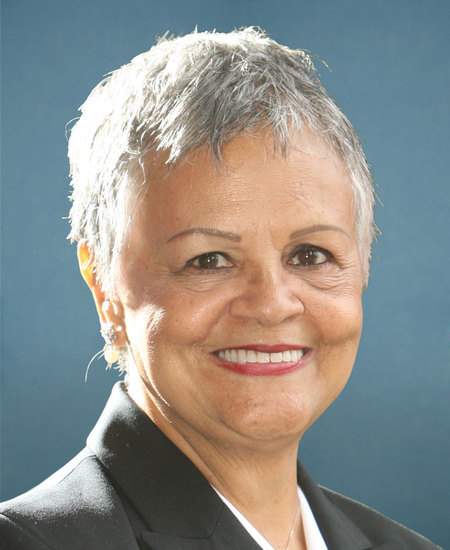
Rep. Bonnie Watson Coleman
Sponsored bills
Maddy summaryHRES 901 is a U.S. House resolution expressing support for democracy and human rights in Pakistan. It calls on the U.S. President and Secretary of State to collaborate with Pakistan to uphold democratic processes, human rights, and the rule of law. The resolution urges Pakistan to protect freedoms of speech, assembly, and press, and to avoid arbitrary detention or suppression of political participation. It also condemns efforts to undermine Pakistan's electoral or judicial systems, including harassment of citizens during protests or interference with elections.
Maddy summaryThe Gun Theft Prevention Act requires licensed firearm dealers to implement specific security measures, including locked cabinets, security systems, and site hardening, to prevent gun thefts. It mandates annual security plan certifications with inventory reconciliation, employee background checks before firearm possession, and 30-day reporting of stolen firearms to authorities. The bill increases inspections (annual for high-risk dealers, triennial for others) and establishes civil penalties of up to $20,000 for violations. These requirements apply to all federally licensed gun dealers nationwide, with a one-year transition period for implementation, while maintaining state law authority over firearm dealing.
Maddy summaryThis resolution recognizes June 19, 2024, as Juneteenth Independence Day, acknowledging its historical significance as the anniversary of the end of slavery in the U.S. (specifically referencing Union soldiers' announcement in Galveston, Texas, on June 19, 1865). It does not create new policy but formally encourages all Americans to observe the day through ceremonies and educational activities. The resolution emphasizes Juneteenth's role in honoring African American freedom and its importance to U.S. history and cultural heritage. It follows the 2022 law that established Juneteenth as a federal holiday, focusing solely on symbolic recognition and annual observance.
Maddy summaryThis bill creates designated dog relief areas on the U.S. Capitol Grounds for visitors and staff with dogs. It requires dog owners to dispose of waste in sealed bags placed in trash receptacles, with fines of up to $100 for first violations and $500 for repeat offenses enforced by Capitol Police. Collected fines fund Capitol Grounds maintenance. The bill directly affects Capitol visitors, staff, and Capitol Police, and mandates that relief area designs follow ADA accessibility standards while preserving historic character.
Maddy summaryHR 8732, the Domestic Workers Bill of Rights Act, would establish new labor protections for domestic workers including nannies, housekeepers, and caregivers who work in private homes. The bill requires written agreements between employers and domestic employees, provides earned sick days, ensures fair scheduling practices, and prohibits unfair wage deductions for cash shortages or communications. It also creates a Domestic Employee Standards Board to recommend workplace standards and establishes a National Domestic Employee Hotline for assistance. The bill specifically targets domestic workers who have historically been excluded from labor protections under the Fair Labor Standards Act and Civil Rights Act, benefiting an estimated 2.2 million domestic workers in the U.S. who are disproportionately women of color and immigrants.
Maddy summaryThis bill amends federal jury selection laws to explicitly prohibit discrimination based on sexual orientation and gender identity. It updates definitions in Title 28 of the U.S. Code by adding "sexual orientation and gender identity" to the protected characteristics under "sex" and defining key terms like "gender identity" and "sexual orientation." The changes directly affect federal jury pools by requiring courts to consider these factors when selecting jurors and preventing discrimination in the process. The law clarifies that discrimination based on these characteristics - including associations with others who share them - is prohibited during jury selection. This is a concrete policy change to expand anti-discrimination protections in federal jury service.
Maddy summaryHR 8722 establishes a new entitlement program guaranteeing housing choice vouchers (HCVs) for homeless youth and young adults aged 18-30 (or emancipated minors) who qualify under existing HCV rules. It directly affects approximately 4.2 million annually experiencing homelessness, particularly in marginalized communities, by removing systemic barriers like long wait times (132-140 days) and restrictive eligibility. Key provisions include requiring HUD to fund vouchers for eligible households starting in 2026, mandating support services (housing navigation, job training, safety planning), ensuring housing choice without discrimination based on credit or background, and protecting privacy and immigration status. The bill also requires HUD to improve language access for limited English proficiency applicants through translation services and a dedicated resource center.
Maddy summaryThe NEST Act (HR 8715) creates a federal pilot program to provide newborn supply kits to mothers in underserved communities. The kits, containing essentials like diapers, postpartum supplies, blood pressure monitors, and health resources, are distributed through grants to community organizations or hospitals. Priority goes to mothers in areas with limited maternal care access (e.g., rural regions or high-mortality "Delta" communities) and those earning under 185% of the poverty line. The program, funded at $5 million annually through 2029, requires annual reports tracking distribution demographics and health outcomes to Congress.
Maddy summaryHR 8714, the "Home of Your Own Act of 2024," establishes a federal grant program administered by the Department of Housing and Urban Development (HUD) to assist first-time homebuyers. It provides up to $30,000 per person for down payments, closing costs, or necessary home repairs to make a home accessible for people with household incomes up to 120% of local median income (150% in high-cost areas). States and tribes receiving funds must distribute at least 25% through community development financial institutions and require financial counseling for applicants. The assistance must be repaid if the home is not occupied as a primary residence for 60 months, with exceptions for hardship or selling at a loss, and the program is funded at $6.7 billion annually for 2025-2029.