

Maddy summaryThe Fossil Free Financing Act of 2023 requires large banks (with over $50 billion in assets) to create and implement plans to reduce their financed emissions - greenhouse gases linked to their investments - in line with science-based climate targets. Key requirements include ending all new fossil fuel projects by January 2023, stopping thermal coal financing by 2025, eliminating all fossil fuel financing by 2030, and achieving zero financed emissions by 2050. The bill prohibits using carbon offsets in these plans and mandates banks to prioritize communities disproportionately impacted by fossil fuel dependence. Banks must submit annual plans to the Federal Reserve, which can impose penalties for noncompliance, including loss of deposit insurance. The law also expands oversight of nonbank financial firms contributing significantly to climate emissions.
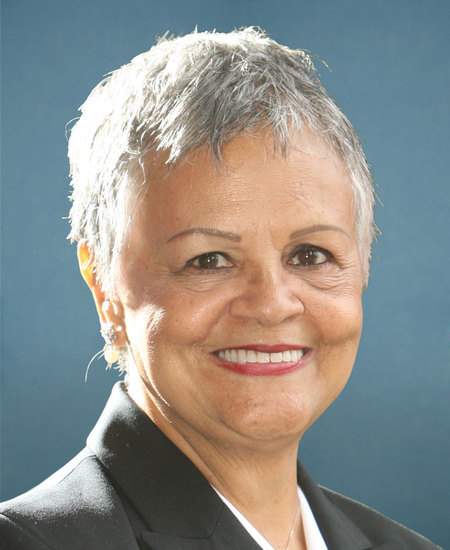
Rep. Bonnie Watson Coleman
Sponsored bills
Maddy summaryHR 2394, the Protection from Abusive Passengers Act, creates a federal list of passengers who commit specific aviation security offenses, such as assaulting crew members, threatening flight safety, or tampering with security systems. Individuals added to this list are banned from boarding commercial flights until removed through established procedures. The bill requires the Transportation Security Administration (TSA) to develop clear policies for adding individuals to the list, handling appeals within 5 days for potential errors, and maintaining annual reports on the list's composition. These provisions directly affect passengers convicted of or penalized for the specified offenses, aiming to enhance safety by restricting repeat offenders from flying.
Maddy summaryThe International Human Rights Defense Act of 2023 creates a permanent Special Envoy at the State Department to coordinate U.S. efforts against discrimination and violence targeting LGBTQI+ people globally. The bill requires the development of an annual global strategy to address criminalization, discrimination, and violence based on sexual orientation, gender identity, or sex characteristics. It also mandates that U.S. country reports on human rights practices include detailed information about laws and practices affecting LGBTQI+ communities. The legislation authorizes U.S. foreign assistance programs to support LGBTQI+ rights through health services, legal protections, and community capacity building. This bill aims to strengthen U.S. diplomatic engagement on LGBTQI+ rights as part of broader human rights policy.
Maddy summaryThis bill requires the Veterans Affairs Secretary to expand or modify an existing national cemetery (under National Cemetery Administration control) before Arlington National Cemetery reaches capacity, ensuring it provides full military honors using the same standards and eligibility criteria that applied to Arlington as of March 31, 2023. It directly affects veterans and their families seeking burial with full military honors at national cemeteries nationwide. The bill also mandates a joint report within one year to Congress on expanding cemetery capacity and assessing whether interment criteria should recognize exceptional service, including impacts on women, non-combat veterans, and other groups. The key mechanism is preserving current military honors standards at alternative cemeteries to prevent Arlington's capacity limits from disrupting existing burial practices.
Maddy summaryThis bill establishes new salary thresholds for white-collar workers to qualify for overtime pay, starting at $45,000 annually in 2023 and increasing to $75,000 by 2026. It requires automatic annual adjustments based on the 55th percentile of full-time salaried workers' earnings, as tracked by the Bureau of Labor Statistics. The bill also limits non-exempt duties to no more than 20% of a worker's time. These changes would make more salaried employees eligible for overtime pay, reversing a long-term decline in coverage.
New Way Forward Act This bill makes changes to immigration enforcement, including ending mandatory detention in certain cases. The Department of Homeland Security (DHS) may not enter into or extend any contract with any for-profit entity to own or operate a detention facility. The bill provides for various protections related to detaining non-U.S. nationals ( aliens under federal law), such as (1) requiring DHS to make an initial custody determination and establish probable cause within 48 hours of taking an individual into custody, (2) establishing in hearings related to such determinations a presumption that the individual be released, and (3) requiring immigration judges to impose the least restrictive detention conditions necessary. A DHS officer may not interrogate an individual as to immigration status based on factors such as the individual's race, religion, or spoken language. The bill removes mandatory detention requirements for certain individuals, such as asylum seekers with a credible fear of persecution. Certain individuals who were previously admitted into the United States may be removed only if removal proceedings commenced within five years of the individual becoming deportable or inadmissible. The bill also removes certain crime-related grounds of inadmissibility and deportability. The bill gives immigration judges discretion to provide relief from removal if the removal is not based on certain crime-related grounds. State or local officers are prohibited from performing certain immigration enforcement functions. The National Crime Information Center database may not contain an individual's immigration information. The bill repeals criminal penalties for improper entry or reentry into the United States.
Maddy summaryHRES 262 is a non-binding House resolution supporting the integration of climate change education into K-12 school curricula across the U.S. It urges the Department of Education to collaborate with states and schools to develop science-based climate education standards, promote equitable access for all students, and address climate-induced mental health impacts on youth. The resolution encourages schools to adopt place-based, solution-oriented teaching methods and supports developing vocational programs for renewable energy careers. It does not mandate curriculum changes or allocate funding but calls for research on climate education's impact and collaboration with educators and scientists.
This resolution encourages the African Union (AU) and its member countries to prioritize economic and political reforms that uphold human rights, combat corruption, create an enabling climate for private sector investment, and promote transparent and accountable governance. The resolution also calls on the U.S. President and Secretary of State to carry out initiatives that bolster trade, elevate diplomatic engagement, combat food insecurity, and promote peace in Africa. (AU is a multilateral organization consisting of 55 member states of the African continent.)
Maddy summaryHR 1831 would award Billie Jean King a Congressional Gold Medal to honor her lifelong advocacy for equal rights in sports and society. The bill directs the Secretary of the Treasury to strike the medal and have it presented by congressional leaders, recognizing her pivotal role in advancing women's equality through tennis (including founding the Women’s Tennis Association and securing equal prize money) and her broader impact on society through initiatives like Title IX advocacy.
Maddy summaryThis bill changes how U.S. foreign aid is provided to international health organizations. It prevents U.S. agencies from denying aid to foreign non-governmental organizations (NGOs) solely because they offer health services (like counseling or referrals) using their own funds, as long as those services follow local laws. It also stops applying stricter rules about how foreign NGOs can use their own funds for advocacy compared to U.S. NGOs receiving similar aid. The bill directly affects foreign health-focused NGOs that rely on U.S. foreign assistance funding.