

Maddy summaryHR 1509 reauthorizes annual federal funding for the Healthy Food Financing Initiative (HFFI), which helps establish grocery stores and healthy food access in underserved communities. The bill mandates increasing annual funding from $25 million in fiscal year 2024 up to $50 million per year starting in 2028. This funding supports projects like new supermarkets in "food desert" areas, directly benefiting residents in low-income neighborhoods with limited grocery options. The initiative provides grants and loans to developers, aiming to improve nutrition access without changing existing program rules.
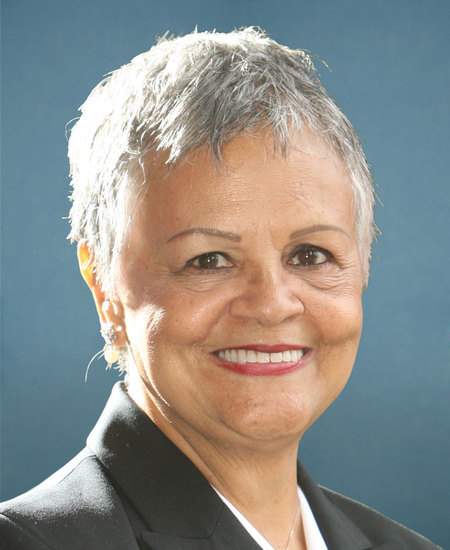
Rep. Bonnie Watson Coleman
Sponsored bills
Maddy summaryHR 1465, "Violet’s Law," requires federal research facilities to establish standards for placing eligible animals (dogs, cats, primates, guinea pigs, hamsters, rabbits) no longer needed for research with animal rescue organizations, sanctuaries, shelters, or individuals. Federal departments and agencies operating such facilities must create these placement standards within one year of the law's enactment. The law mandates that animals must be vet-certified as healthy (free of infectious disease or physical issues) before placement and prohibits facilities from using animals for commercial trade, breeding, or public exhibitions. This policy directly affects federal research facilities and aims to provide permanent homes for research animals through defined, safe pathways.
Maddy summaryThis bill amends the SNAP program to prevent retail food stores or wholesale food businesses from being denied authorization to accept benefits solely due to past criminal convictions. It restricts consideration of criminal offenses to those occurring within the last 5 years and establishes pathways for businesses to prove rehabilitation, such as demonstrating 5 years of compliance after a felony conviction or 3 years without reconviction. Businesses may also provide evidence of mitigating circumstances, age at the time of offense, or relevance of the offense to SNAP responsibilities. The changes apply directly to food retailers seeking or maintaining SNAP authorization, aiming to reduce automatic disqualifications based on historical criminal records.
This bill requires the National Science Foundation to award grants to certain institutions of higher education for infrastructure, materials, and equipment for research facilities in science, technology, engineering, mathematics, and related fields. Institutions that are eligible for the grants include historically Black colleges and universities and other minority-serving institutions; public, private, and religious institutions with endowments below specified thresholds; two-year, community, vocational-technical, and career colleges; and single-sex colleges.
Minorities in Aviation Education Act of 2023 This bill establishes grants for increasing the exposure and access of students to the aviation industry, with a particular focus on women and minorities. Specifically, the Department of Transportation (DOT) must establish the Bessie Coleman Aviation Education Program to award the grants to state and local governments or educational agencies for activities that increase exposure and access to aviation-related education and jobs, such as programs to increase the recruitment and retention of underrepresented minorities in aviation degree programs. DOT must prioritize grant applicants that propose to use the funds to encourage the participation of women, minorities, and individuals in rural and urban areas in the aviation industry.
Supporting Our First Responders Act This bill establishes a competitive grant program to support medical transport and emergency medical services (EMS). The Department of Health and Human Services (HHS) must award the grants to EMS organizations (including for-profit organizations) or state, tribal, territorial, or local governments. Grant-funded activities include (1) providing salaries and stipends for EMS workers; (2) purchasing vehicles, personal protective equipment, and other resources; and (3) establishing community paramedicine or mobile integrated health care initiatives. HHS must also report to Congress about health insurance reimbursement for medical transport and EMS and the feasibility of establishing a federal EMS office.
Maddy summaryHCONRES 32 is a symbolic resolution supporting International Transgender Day of Visibility, introduced in the U.S. House of Representatives on March 30, 2023. It encourages Americans to observe the day through ceremonies and activities, celebrates transgender achievements, and recognizes the community's fight for dignity amid ongoing discrimination and anti-trans legislation. The resolution does not create new laws or policies - it is a non-binding statement of support, referencing over 700 anti-trans bills introduced in 2021-2023 that target education, healthcare, and identity documents. It directly acknowledges transgender individuals and their contributions without altering any legal rights or obligations.
Maddy summaryHR 2403, the Enhanced Background Checks Act of 2023, modifies federal firearm background check procedures to address delays. It requires firearm licensees to wait at least 10 business days after a prospective buyer submits a petition verifying they are not prohibited from owning firearms before completing a sale, if the background check system hasn't cleared the transaction. The bill also mandates the Attorney General to create an electronic petition form, provide timely responses to petitions, and track delays. Additionally, it requires multiple reports analyzing implementation, transaction delays, denial reasons by state, and potential impacts on domestic violence victim safety, with the first report due within 150 days of enactment.
Gun Trafficker Detection Act This bill requires gun owners to report the theft or loss of a firearm to law enforcement within 48 hours. A violation is subject to criminal and civil penalties. Additionally, the bill requires states to use at least 5% of funds under the Edward Byrne Memorial Justice Assistance Grant program to implement effective management and collection of data related to lost or stolen firearms that are reported to law enforcement.
Maddy summaryHR 2425, the Universal Full-Day Kindergarten Act, establishes a federal grant program to fund full-day kindergarten programs in public schools. It directly affects states, local school districts, and children aged 4-6 by requiring funded programs to offer at least 5 hours daily, be free to families, run year-round, and use qualified teachers meeting state standards. The bill allocates funds to states using a formula based on existing Title I education funding, with specific minimums and requirements for equitable access and program quality. States must submit plans detailing how they'll use funds and ensure local districts meet program standards, while the Secretary must report annually on program availability. The program is authorized for fiscal years 2024-2029.